
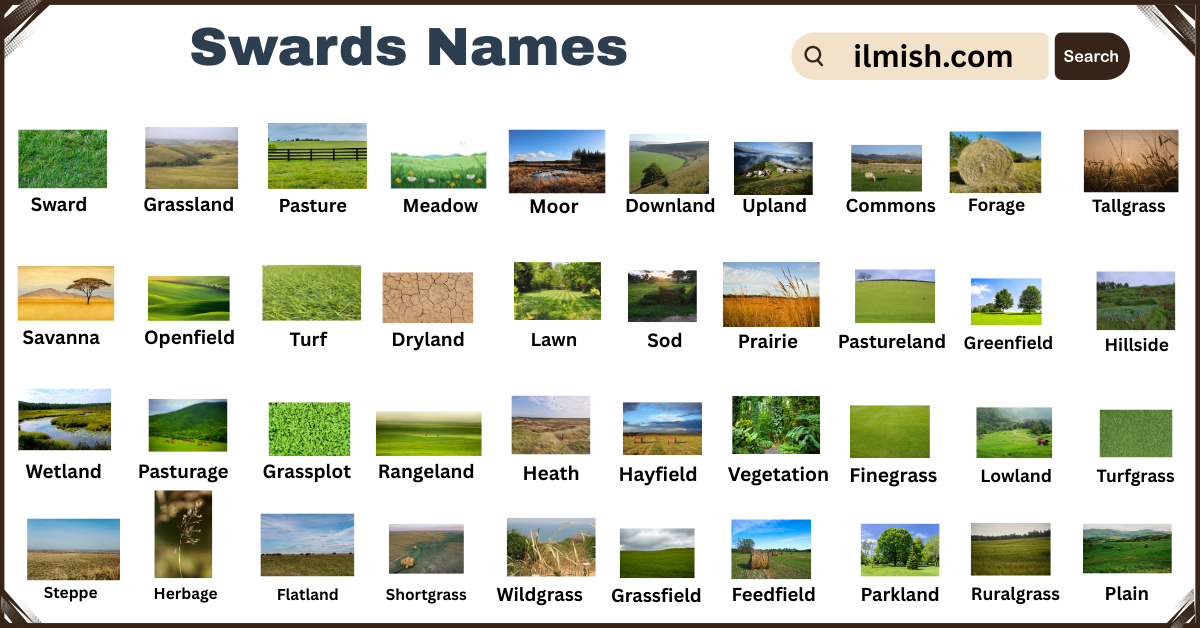
Swords have been used for centuries as weapons, tools, and symbols of power in many cultures around the world. Each type of sword has a unique design, shape, and purpose, reflecting the history and fighting style of the people who used it. In this article, you will learn a List of Swards with Types and Names in English with Pictures. Clear pictures are included to help readers easily recognize each sword and understand its appearance. This guide is useful for students, history lovers, and anyone who wants to learn more about traditional weapons in a simple and interesting way.
Table of Contents
Toggle20 Sward Names in English
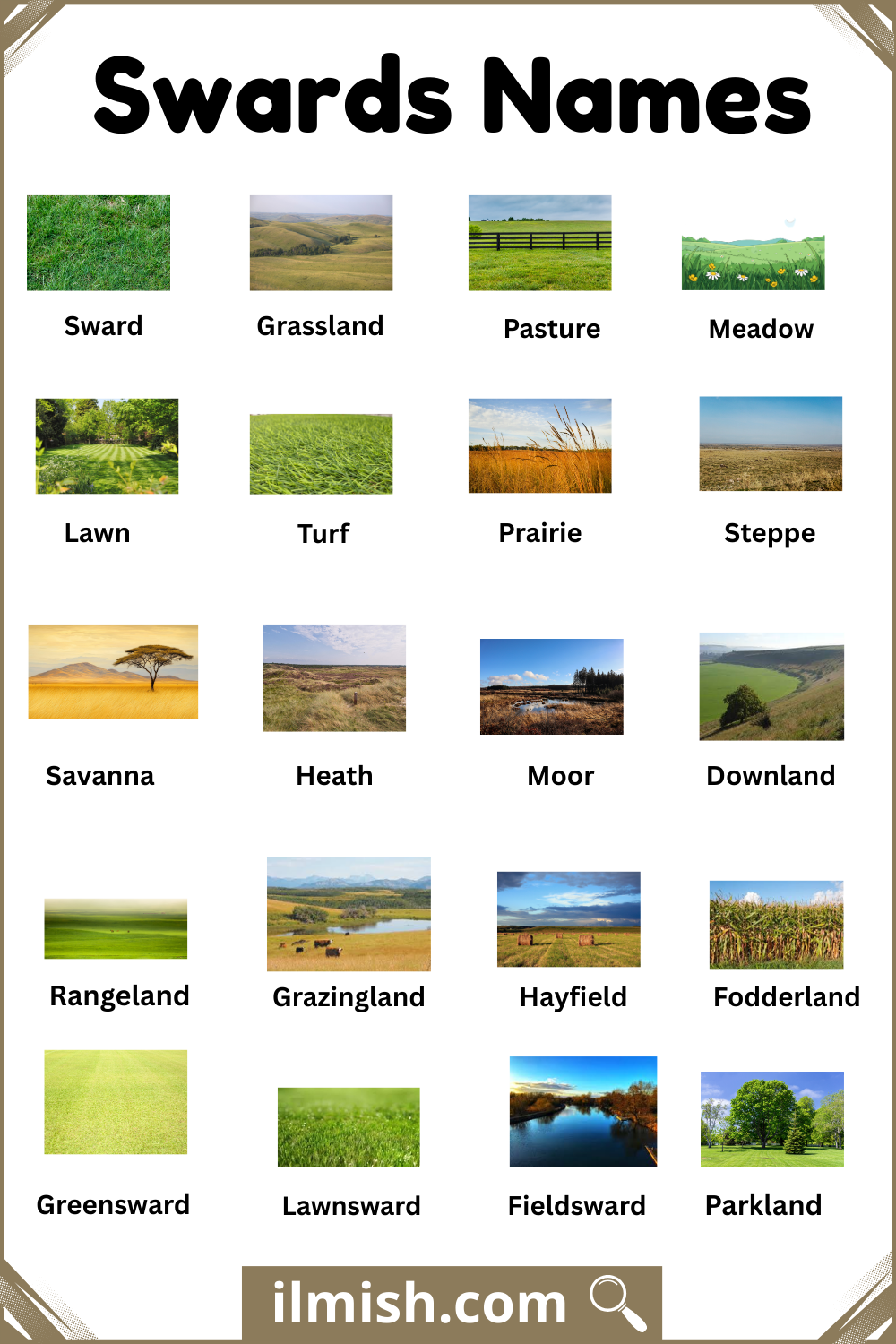
- Sward
- Grassland
- Pasture
- Meadow
- Lawn
- Turf
- Prairie
- Steppe
- Savanna
- Heath
- Moor
- Downland
- Rangeland
- Grazingland
- Hayfield
- Fodderland
- Greensward
- Lawnsward
- Fieldsward
- Parkland
Popular Swards with Names and Pictures
- Sward
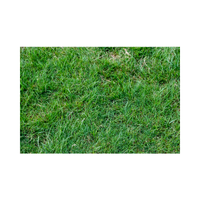
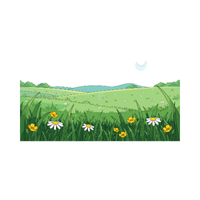
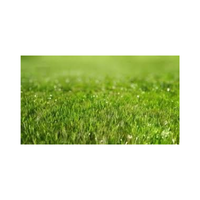
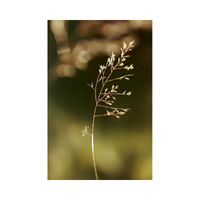
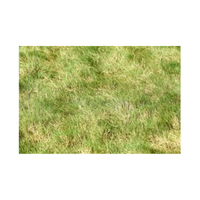
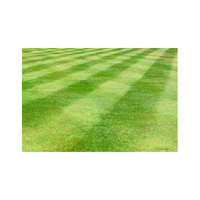
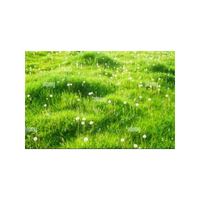
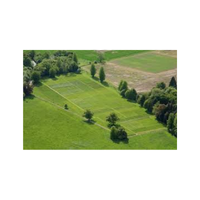
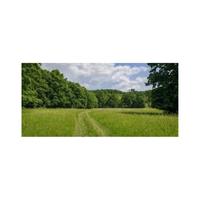
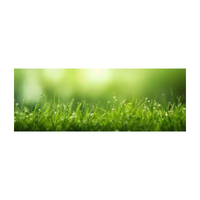
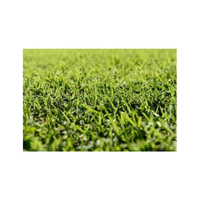
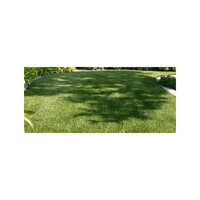
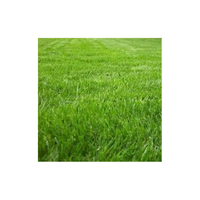
A sward is a continuous cover of grass plants growing closely together, forming a green surface for land use purposes.

- Grassland
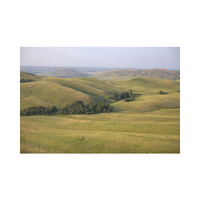
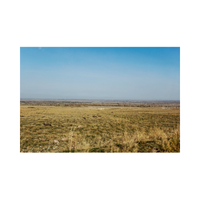
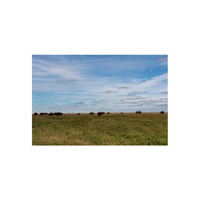
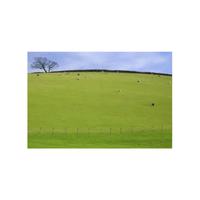
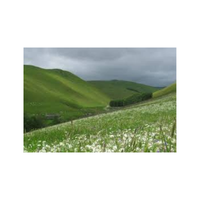
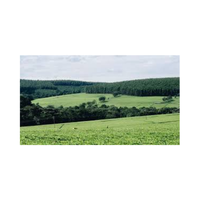
Grassland is an open area dominated by grasses, used for grazing, wildlife habitats, and soil protection across different climates regions.
- Pasture
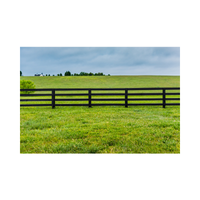
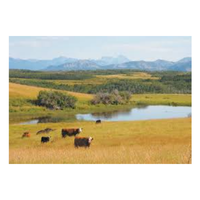
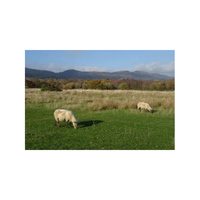
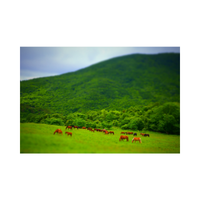
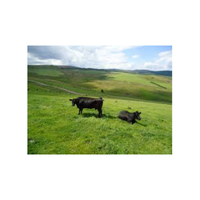
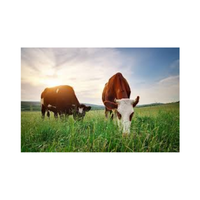
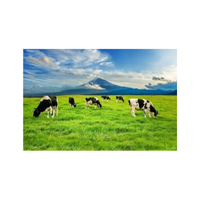
Pasture is grass-covered land managed by people for feeding grazing animals such as cows, sheep, and goats daily farm needs.
- Meadow
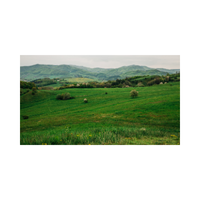
Meadow is natural grassland with grasses and flowers, usually cut for hay and supporting insects, birds, and biodiversity in summer.
- Lawn
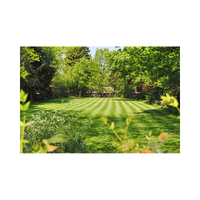
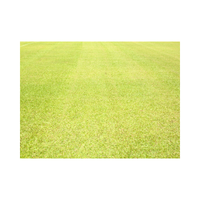
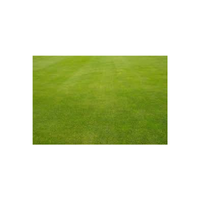
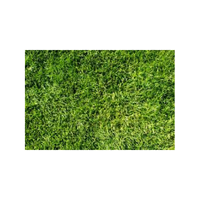
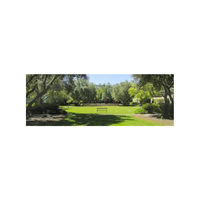
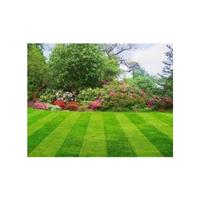
Lawn is a short, well-maintained grass area around homes, parks, or schools, used for beauty and recreation activities and relaxation.
- Turf
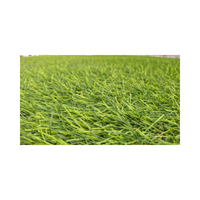
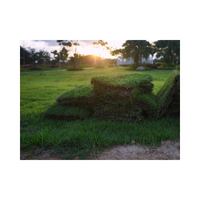
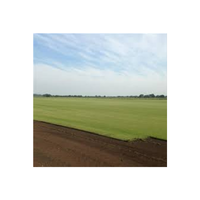
Turf is grass grown with roots and soil, often cut into rolls for landscaping, sports fields, and lawns quickly installed.
- Prairie
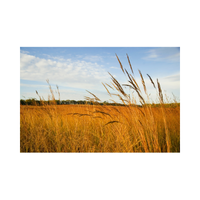
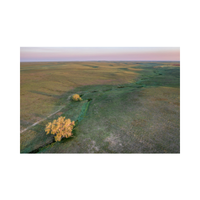
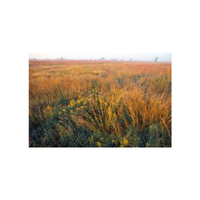
Prairie is a large open grassland with tall grasses, common in flat regions, supporting farming and native wildlife species diversity.
- Steppe
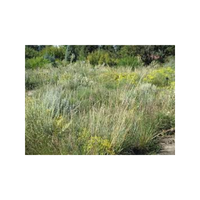
Steppe is a dry grassland with few trees, found in cold or semi-arid regions, used for grazing animals traditionally worldwide.
- Savanna
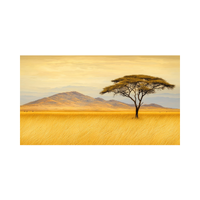
Savanna is tropical grassland with scattered trees, warm climate, seasonal rainfall, and important habitat for wild animals and birds insects.
- Heath
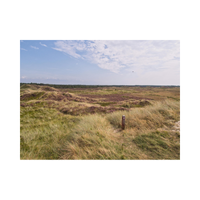
Heath is open land with low shrubs and grasses, growing on poor soils, often windy and uncultivated natural landscapes areas.
- Moor
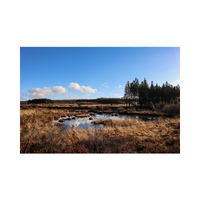
Moor is rough open land with grasses and shrubs, usually wet and upland, used for grazing and wildlife habitats conservation.
- Downland
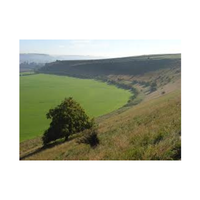
Downland is rolling chalk grassland with short grasses, mainly found on hills, used for grazing sheep traditionally in rural areas.
- Rangeland
Rangeland is large natural land with grasses for grazing livestock, managed lightly and not intensively farmed by farmers sustainably often.
- Grazingland
Grazingland is land covered with grasses where animals feed directly, helping farmers raise healthy livestock for meat, milk, wool, production.
- Hayfield
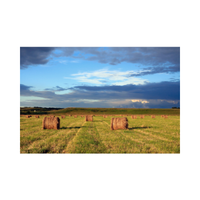
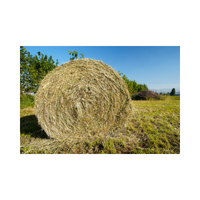
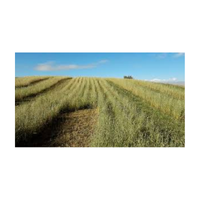
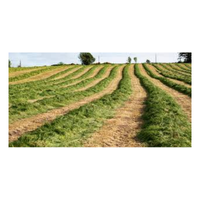
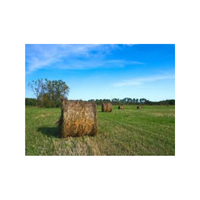
Hayfield is grassland grown and cut for drying into hay, stored to feed animals during winter seasons, farms, livestock, survival.
- Fodderland
Fodderland is land used to grow grasses or plants specifically for feeding farm animals daily, nutritional, needs, of, livestock, herds.
- Greensward
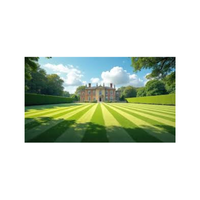
Greensward is a smooth, healthy grass surface, often describing lawns or fields with thick green growth for visual appeal purposes.
- Lawnsward
Lawnsward is a neat grass cover maintained for appearance, comfort, and light activities around buildings homes, schools, offices, parks, spaces.
- Fieldsward
Fieldsward refers to grass covering agricultural fields, providing ground cover, grazing, or soil protection for crops, farms, seasons, weather, balance.
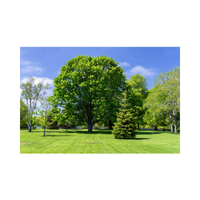
- Parkland
Parkland is managed land with grass, trees, and open spaces, designed for public enjoyment and nature appreciation, relaxation, recreation, beauty.
Different Types of Swards and Their Names
- Openfield
- Lowland
- Upland
- Wetland
- Dryland
- Floodplain
- Rivermeadow
- Hillside
- Flatland
- Plain
- Commons
- Pasturage
- Grassplot
- Sod
- Herbage
- Vegetation
- Groundcover
- Forage
- Grasscover
- Earthcover
Sward Names in English with Images
- Openfield
Openfield is wide, uncovered farmland without fences, used for crops or grazing, exposed to weather, wind, and seasonal changes yearly.
- Lowland
Lowland is low-elevation land near seas or rivers, often fertile, warmer, and suitable for farming and settlements human life growth.
- Upland
Upland is high ground above surrounding areas, cooler, rocky or grassy, often used for grazing rather than crops and livestock.
- Wetland
Wetland is land soaked with water, like marshes or swamps, supporting water plants, birds, and wildlife year-round natural habitats ecosystems.
- Dryland
Dryland is land with little rainfall, dry soil, sparse plants, requiring careful water use for farming and survival of life.
- Floodplain
Floodplain is flat land beside a river, regularly flooded, rich in soil, good for farming but risky during heavy rains.
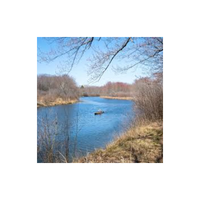
- Rivermeadow
Rivermeadow is grassy land along rivers, seasonally wet, fertile, used for hay, grazing, and wildlife supporting plants insects birds naturally.
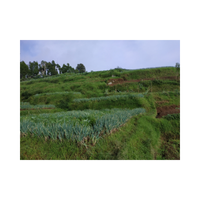
- Hillside
Hillside is sloping land on a hill, draining water quickly, often terraced or planted carefully to prevent soil erosion damage.
- Flatland
Flatland is level ground with little slope, easy to build on, farm, and travel across for people, animals, goods, transport.
- Plain
Plain is large flat natural land, usually grassy, few trees, often used for farming or grazing and open landscapes worldwide.
- Commons
Commons are shared lands owned by communities, traditionally used for grazing animals, gathering fuel, or recreation by local people together.
- Pasturage
Pasturage is land covered with grass where animals feed, supporting livestock health and food production for farms, villages, regions, economies.
- Grassplot
Grassplot is small grassy area, often in gardens or fields, used for sitting, play, or beauty and outdoor enjoyment spaces.
- Sod
Sod is surface layer of soil with grass roots, cut and used for lawns or soil protection in landscaping, projects.
- Herbage
Herbage means soft green plants and grasses, eaten by animals or used for medicinal purposes and natural healing traditions worldwide.
- Vegetation
Vegetation includes all plant life in an area, such as trees, grasses, and shrubs forming local ecosystems, climate, balance, support.
- Groundcover
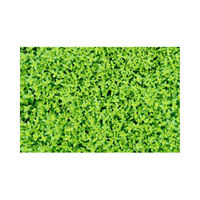
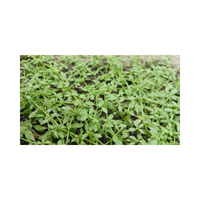
Groundcover is low-growing plants covering soil, preventing erosion, holding moisture, and reducing weeds while improving soil health appearance naturally outdoors.
- Forage
Forage is plants or grasses eaten by grazing animals, providing energy, nutrients, and daily food for livestock, wildlife, farming, systems.
- Grasscover
Grasscover is layer of grass over soil, protecting land, reducing dust, and improving land beauty in parks, fields, homes, areas.
- Earthcover
Earthcover is any natural or planted cover on soil, like grass, leaves, or crops protecting ground, moisture, life, balance, systems.
List of Swards with Names in English
- Turfgrass
- Roughgrass
- Finegrass
- Shortgrass
- Tallgrass
- Mixedgrass
- Nativegrass
- Managedgrass
- Naturalgrass
- Cultivatedgrass
- Permanentpasture
- Temporarypasture
- Improvedpasture
- Unimprovedpasture
- Seededgrass
- Wildgrass
- Pastureland
- Meadowland
- Grassfield
- Greenfield
Common Types of Swards with Pictures
- Turfgrass
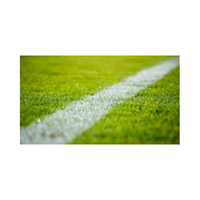
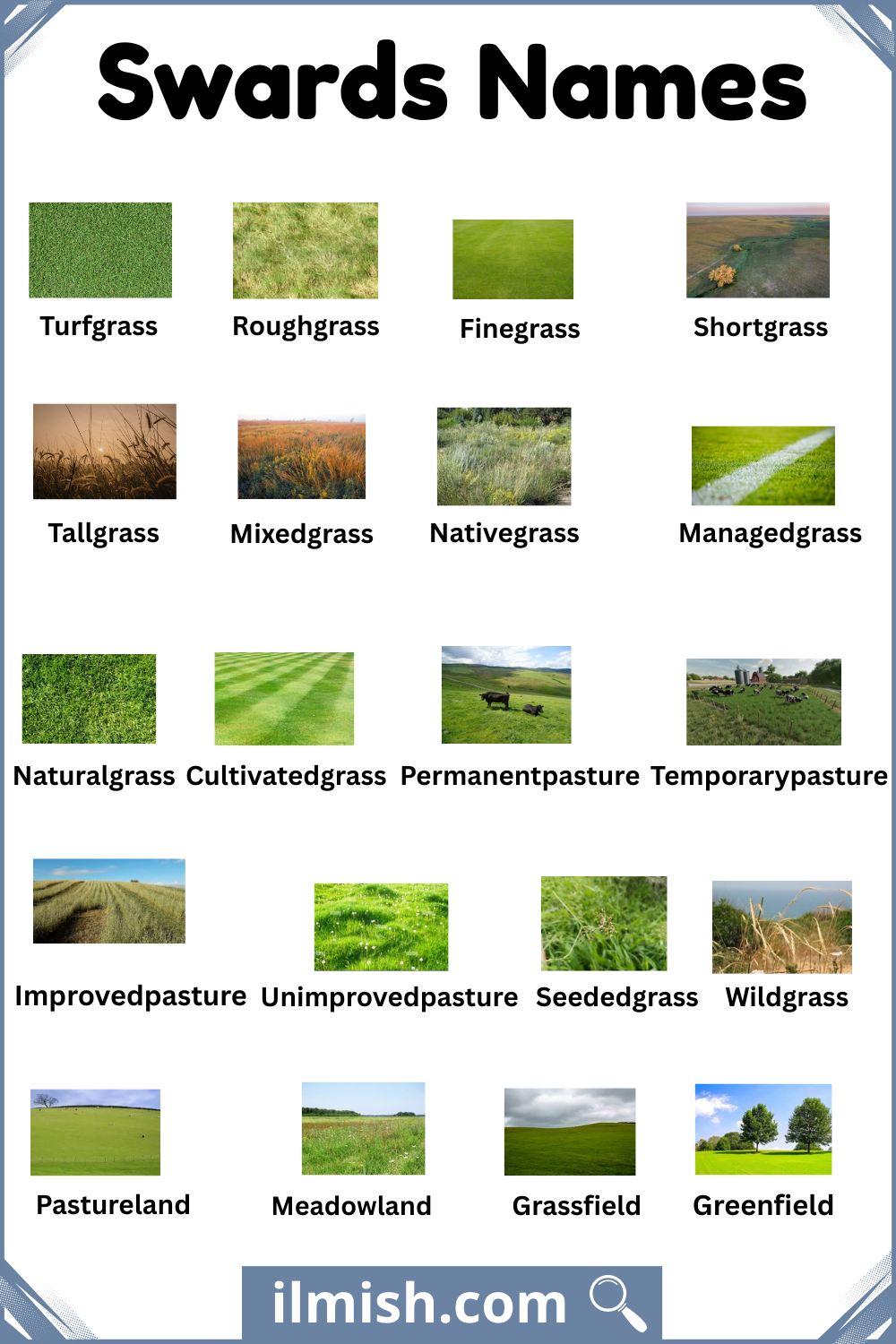
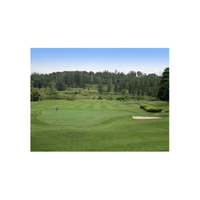
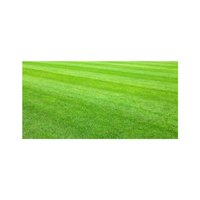
Turfgrass is grass specially grown for lawns and sports fields, kept short, dense, and healthy through regular care.
- Roughgrass
Roughgrass is coarse grass growing naturally, often unmanaged, used mainly for grazing animals rather than decoration or lawns.
- Finegrass
Finegrass has thin, soft blades, commonly used in lawns and parks because it looks neat and feels comfortable underfoot.
- Shortgrass
Shortgrass grows low to the ground, survives dry conditions well, and is common in open grazing lands and plains.
- Tallgrass
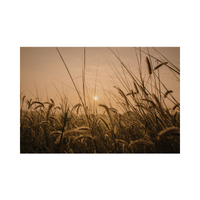
Tallgrass grows high and dense, providing shelter for wildlife and commonly found in fertile grasslands and prairies.
- Mixedgrass
Mixedgrass contains different grass species growing together, creating stronger land cover and better resistance to weather changes.
- Nativegrass
Nativegrass grows naturally in a region without planting, adapted to local climate, soil, and supporting native wildlife.
- Managedgrass
Managedgrass is grassland cared for by people through cutting, watering, or fertilizing to meet specific land use needs.
- Naturalgrass
Naturalgrass grows without human control, forming wild grass areas that protect soil and support insects and animals.
- Cultivatedgrass
Cultivatedgrass is planted and maintained by humans for farming, grazing, lawns, or landscaping purposes regularly.
- Permanentpasture
Permanent pasture is long-term grassland used for grazing, not regularly replanted, and maintained for many years continuously.
- Temporarypasture
Temporary pasture is grassland planted for short periods, often rotated with crops to improve soil health.
- Improvedpasture
Improved pasture is grassland enhanced with better seeds, fertilizers, or care to increase animal feeding value.
- Unimprovedpasture
Unimproved pasture is natural grassland with little human input, supporting traditional grazing and diverse plant species.
- Seededgrass
Seededgrass is grass grown by sowing selected seeds to create uniform growth for farming or landscaping uses.
- Wildgrass
Wildgrass grows freely without planting, often found in natural areas and important for wildlife habitats.
- Pastureland
Pastureland is grass-covered land used for grazing farm animals like cattle, sheep, and goats daily.
- Meadowland
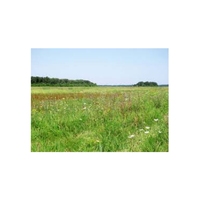
Meadowland is open grassland with grasses and flowers, often cut for hay and supporting many insects.
- Grassfield
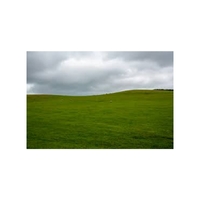
Grassfield is a field covered mainly with grasses, used for grazing, farming support, or soil protection.
- Greenfield
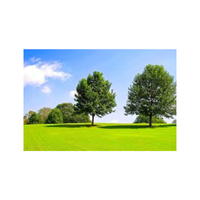
Greenfield is undeveloped land covered with grass or plants, often used for farming or future development.
Top Types of Swards and Names in English
- Silagefield
- Grazingfield
- Feedfield
- Foragefield
- Haymeadow
- Cattlegrazing
- Sheepgrazing
- Dairyfield
- Livestockland
- Agriculturalgrass
- Ruralgrass
- Farmgrass
- Villagegreen
- Recreationlawn
- Sportslawn
- Playfield
- Parkgrass
- Estategrass
- Gardenlawn
- Ornamentallawn
Simple English Names for Swards with Pictures
- Silagefield
Silagefield is farmland where green crops are grown, cut, and stored to feed animals during winter when fresh grass is scarce.
- Grazingfield
Grazingfield is open land where animals freely eat growing grass, providing natural food and exercise for healthy livestock year-round.
- Feedfield
Feedfield is land planted with crops or grasses specifically grown to feed farm animals and support meat and milk production.
- Foragefield
Foragefield is a field of plants grown for animal feeding, supplying nutrients through grazing or cutting for later use.
- Haymeadow
Haymeadow is grassy land where grass is cut, dried, and stored as hay for animals during cold or dry seasons.
- Cattlegrazing
Cattlegrazing refers to land used for cows to feed on grass naturally, helping growth, health, and milk or meat production.
- Sheepgrazing
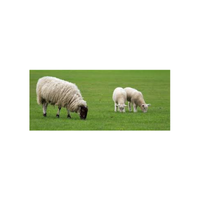
Sheepgrazing is pasture land where sheep feed on short grasses, helping land management and providing wool, meat, and milk.
- Dairyfield
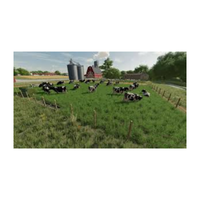
Dairyfield is grassland supporting milk-producing animals, offering rich forage to maintain milk quality and animal health daily.
- Livestockland
Livestockland is farmland dedicated to raising animals, providing grazing, shelter, and food sources for farm animals.
- Agriculturalgrass
Agriculturalgrass is grass grown for farming purposes, mainly feeding animals and protecting soil from erosion and damage.
- Ruralgrass
Ruralgrass is grass found in countryside areas, supporting farming life, animals, and natural beauty of rural landscapes.
- Farmgrass
Farmgrass is grass cultivated on farms to feed animals, enrich soil, and support daily agricultural activities.
- Villagegreen
Villagegreen is shared grassy land in a village, used for gatherings, play, celebrations, and community activities.
- Recreationlawn
Recreationlawn is grassy space designed for leisure, walking, resting, and outdoor enjoyment by people of all ages.
- Sportslawn
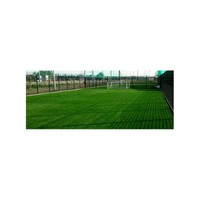
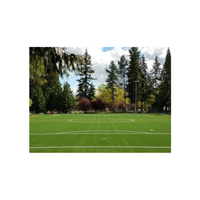
Sportslawn is carefully maintained grass area used for games and sports, providing safe and even playing surfaces.
- Playfield
Playfield is open grassy area where children and adults play games, exercise, and enjoy outdoor activities together.
- Parkgrass
Parkgrass is grass grown in parks, creating green spaces for relaxation, beauty, walking, and public enjoyment.
- Estategrass
Estategrass is well-kept grass around large properties, enhancing beauty, landscape design, and outdoor living spaces.
- Gardenlawn
Gardenlawn is small grassy area near homes, used for decoration, relaxation, and family outdoor activities.
- Ornamentallawn
Ornamentallawn is decorative grass area designed mainly for beauty, adding charm and neat appearance to surroundings.
English Names of Swards with Types
- Naturalmeadow
- Flowermeadow
- Grassplain
- Openmeadow
- Seasonalmeadow
- Perennialgrass
- Annualgrass
- Groundturf
- Soilcover
- Rootedgrass
- Densegrass
- Softturf
- Hardturf
- Greenbelt
- Grassbelt
- Ecograss
- Conservationgrass
- Wildlifegrass
- Habitatgrass
- Sustainablegrass
Learn Names of Sward with Pictures
- Naturalmeadow
Naturalmeadow is grassland that grows without human care, filled with wild plants, flowers, and insects, supporting natural biodiversity.
- Flowermeadow
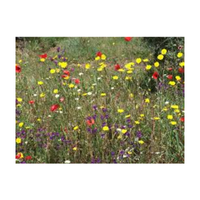
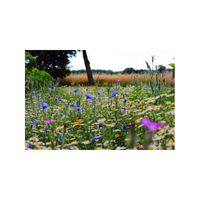
Flowermeadow is an open grass area abundant with flowering plants, attracting bees, butterflies, and providing a colorful natural landscape.
- Grassplain
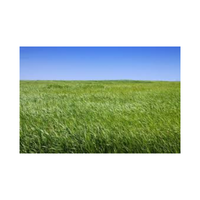
Grassplain is a wide, flat area covered mainly with grasses, supporting grazing animals and preventing soil erosion naturally.
- Openmeadow
Openmeadow is an uncovered, spacious grassland, allowing sunlight, airflow, and serving as grazing or wildlife habitat effectively.
- Seasonalmeadow
Seasonalmeadow grows at certain times of the year, offering fresh grass and flowers for animals and pollinators temporarily.
- Perennialgrass
Perennialgrass is grass that grows year after year without replanting, providing stable ground cover and long-term grazing food.
- Annualgrass
Annualgrass completes its life cycle in one year, quickly covering soil and providing temporary grazing or green cover.
- Groundturf
Groundturf is low-growing grass or plants covering the soil, preventing erosion and giving a neat green appearance.
- Soilcover
Soilcover is any vegetation that protects soil from erosion, retains moisture, and improves land fertility naturally.
- Rootedgrass
Rootedgrass is grass with strong roots, holding soil firmly, reducing erosion, and supporting healthy land ecosystems.
- Densegrass
Densegrass grows thickly, creating solid ground cover that prevents weeds, erosion, and supports grazing or sports areas.
- Softturf
Softturf is smooth, gentle grass, ideal for lawns, parks, and playgrounds where people walk or play comfortably.
- Hardturf
Hardturf is strong, resilient grass able to withstand heavy use, foot traffic, or sports activities without damage.
- Greenbelt
Greenbelt is a strip of grass and trees around urban areas, providing clean air, recreation, and wildlife habitat.
- Grassbelt
Grassbelt is a continuous area of grasses used for erosion control, grazing, or creating natural corridors between land areas.
- Ecograss
Ecograss is environmentally friendly grass, planted to support biodiversity, conserve water, and reduce chemical use in lawns.
- Conservationgrass
Conservationgrass is grassland preserved to protect soil, wildlife, and native plants, promoting sustainable natural ecosystems.
- Wildlifegrass
Wildlifegrass is grass grown to provide food, shelter, and breeding areas for wild animals and birds safely.
- Habitatgrass
Habitatgrass is planted or preserved to support specific animals, insects, and birds, maintaining local ecological balance naturally.
- Sustainablegrass
Sustainablegrass is grass managed responsibly for long-term use, supporting farming, grazing, or green areas without harming nature.
Learn more helpful articles