
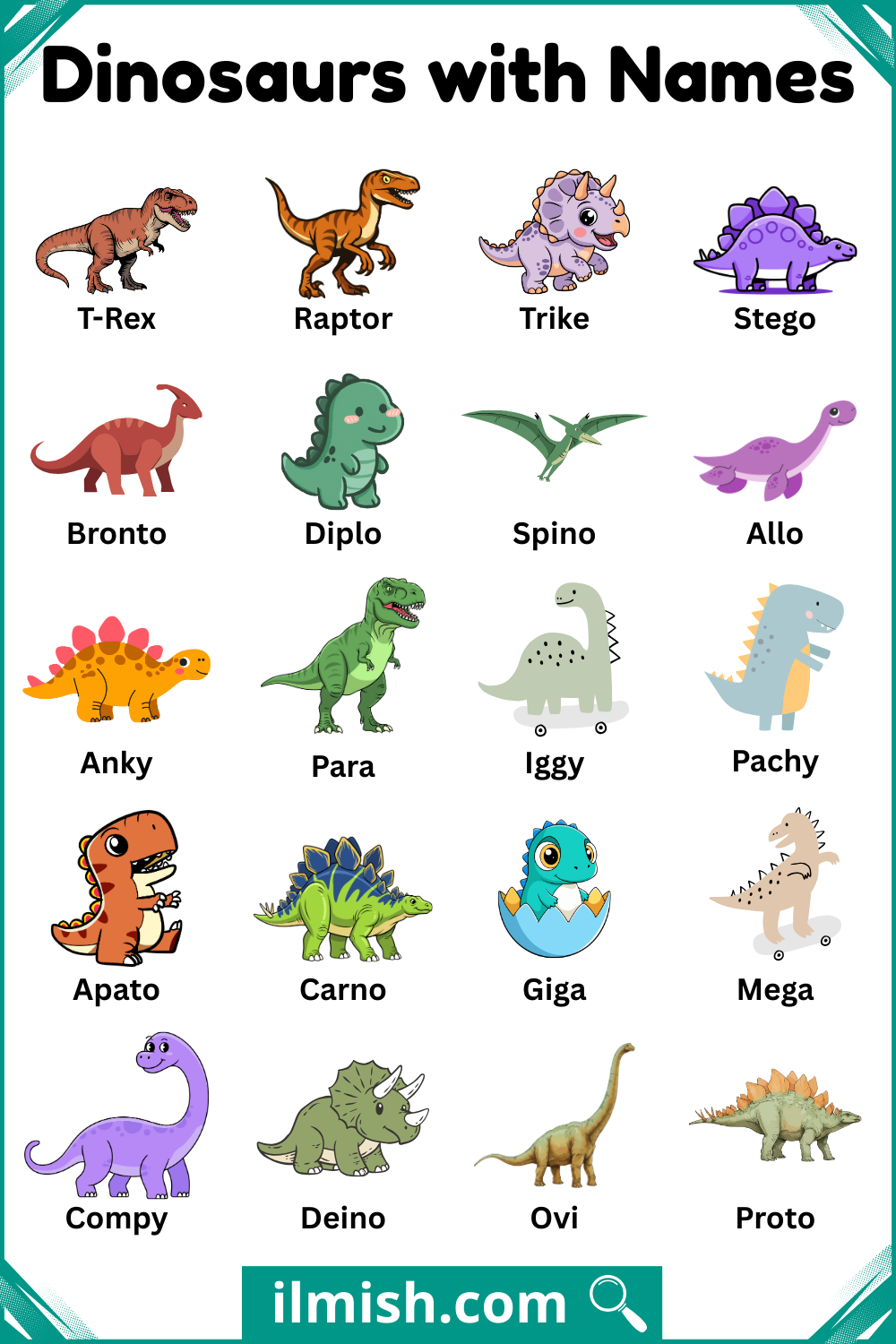
20 Names of Dinosaurs in English
- T-Rex
- Raptor
- Trike
- Stego
- Bronto
- Diplo
- Spino
- Allo
- Anky
- Para
- Iggy
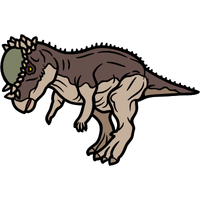
- Pachy
- Apato
- Carno
- Giga
- Mega
- Compy
- Deino
- Ovi
- Proto
Popular Types of Dinosaurs with Names and Pictures
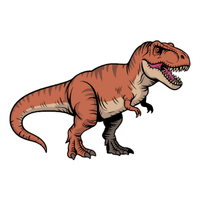
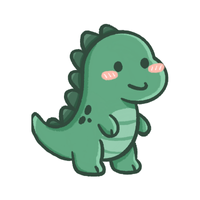
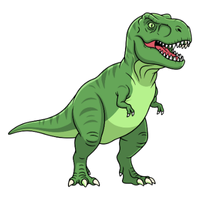
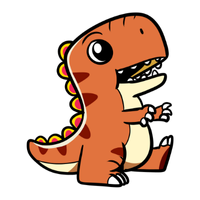
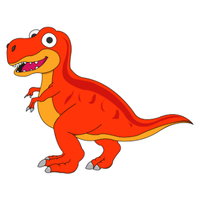
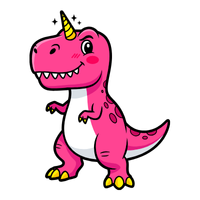
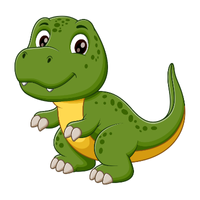
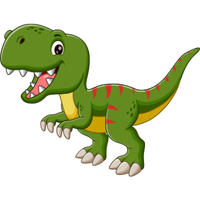
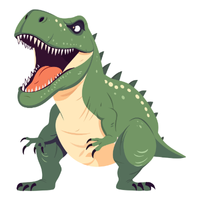
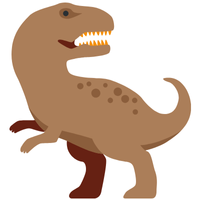
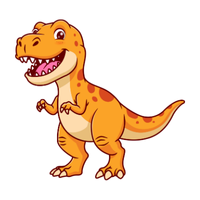
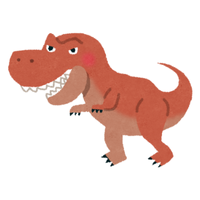
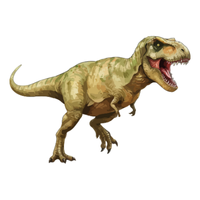
T-Rex
Large carnivorous dinosaur with strong jaws, tiny arms, and massive body, dominant predator of the late Cretaceous period.

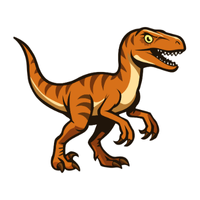
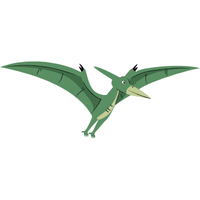
Raptor
Small, fast, feathered carnivorous dinosaur, intelligent hunter, often moved in groups to catch prey efficiently.
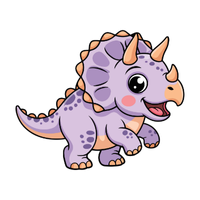
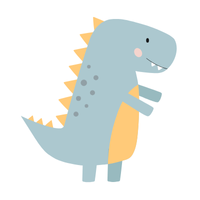
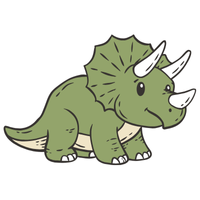
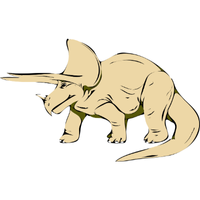
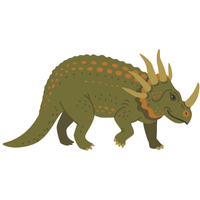
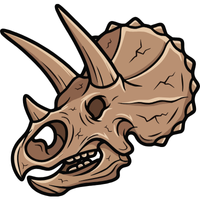
Trike
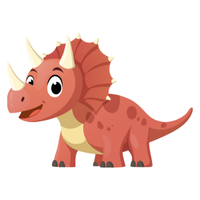
Three-horned herbivorous dinosaur with strong frill, used for defense and display in prehistoric forests.
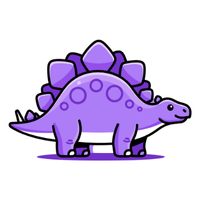
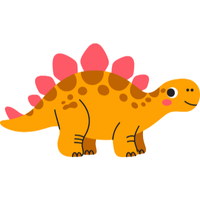
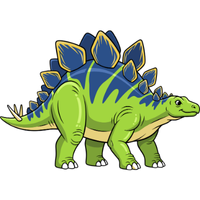
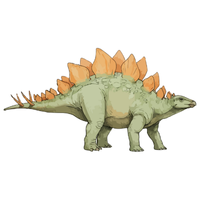
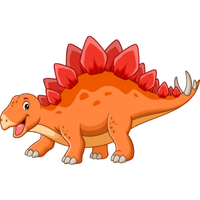
Stego
Plated dinosaur with bony back plates and spiked tail, herbivorous, used for protection and thermoregulation.
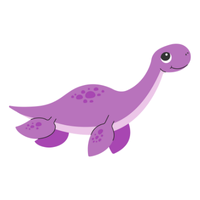
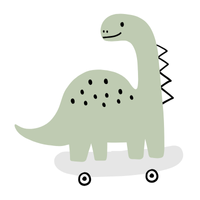
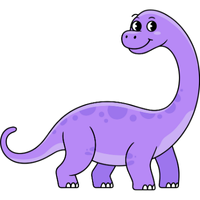
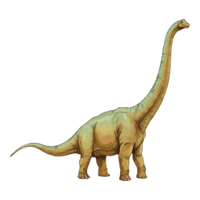
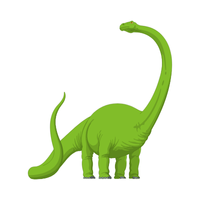
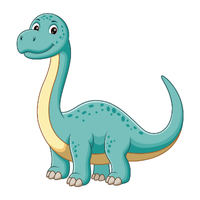
Bronto
Giant long-neck herbivore, peacefully ate leaves from tall trees, walked slowly across prehistoric plains.
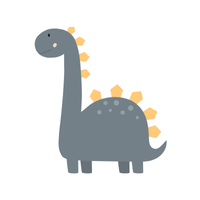
Diplo
Long-necked, whip-tailed dinosaur feeding on vegetation, massive body, lived in groups, peaceful plant-eater.
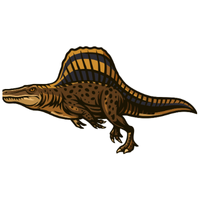
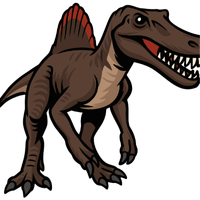
Spino
Large predatory dinosaur with sail-like back structure, fish-eating habits, semi-aquatic, powerful claws, fierce hunter.
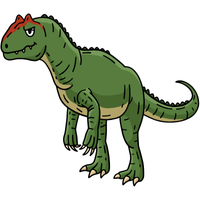
Allo
Medium-to-large carnivorous dinosaur, agile and strong, hunted large herbivores, lived in Jurassic forests.
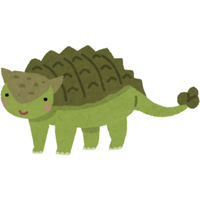
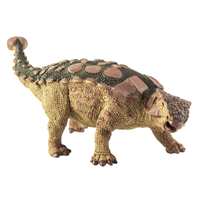
Anky
Armored dinosaur with clubbed tail, used to protect itself from predators, slow-moving plant-eater.
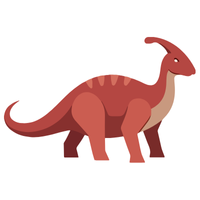
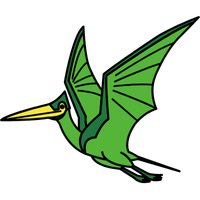
Para
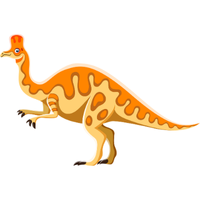
Herbivorous dinosaur with long curved crest on head, possibly used for sounds and communication.
Iggy
Iguanodon, herbivorous dinosaur with thumb spikes, used for defense and digging plants for food.
Pachy
Dome-headed herbivore, thick skull for head-butting fights, lived in herds for safety.
Apato
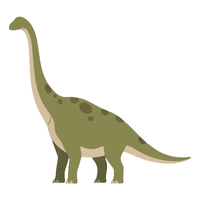
Massive long-neck dinosaur, gentle herbivore, fed on treetops, lived during the Jurassic period.
Carno
Medium-to-large predator, strong jaws, hunted herbivores, lived in groups, active hunter in Mesozoic forests.
Giga
Extremely large carnivorous dinosaur, rival of T-Rex, lived in Cretaceous, hunted huge prey efficiently.
Mega
Predatory dinosaur, similar to Giganotosaurus, dominant hunter, strong jaws, agile for large prey pursuit.
Compy
Small, fast, carnivorous dinosaur, lived in packs, used sharp claws and teeth to catch prey.
Deino
Fierce predatory dinosaur, known for sharp teeth, powerful bite, lived near rivers, ate fish and land animals.
Ovi
Egg thief dinosaur, small omnivore, fed on eggs and small creatures, lived in Cretaceous forests.
Proto
Small, herbivorous dinosaur, early ceratopsian, walked on four legs, used foraging habits in prehistoric environments.
Popular Types of Dinosaurs with Names and Pictures
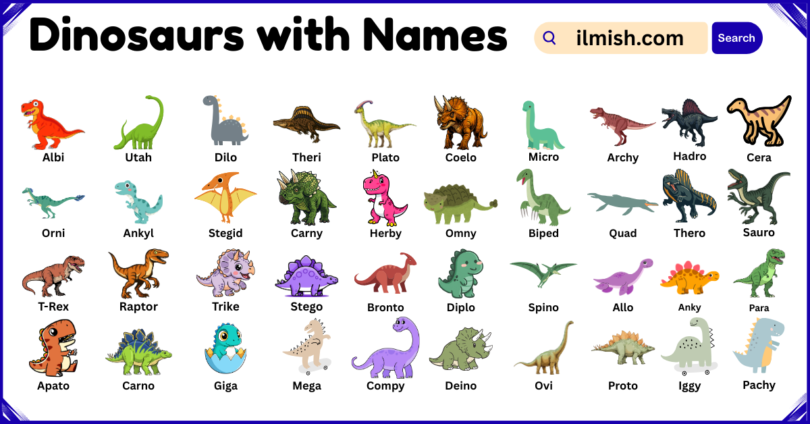
Popular Dinosaurs Names and Types in English
- Albi
- Utah
- Dilo
- Theri
- Plato
- Coelo
- Micro
- Archy
- Hadro
- Cera
- Thero
- Sauro
- Orni
- Ankyl
- Stegid
- Carny
- Herby
- Omny
- Biped
- Quad
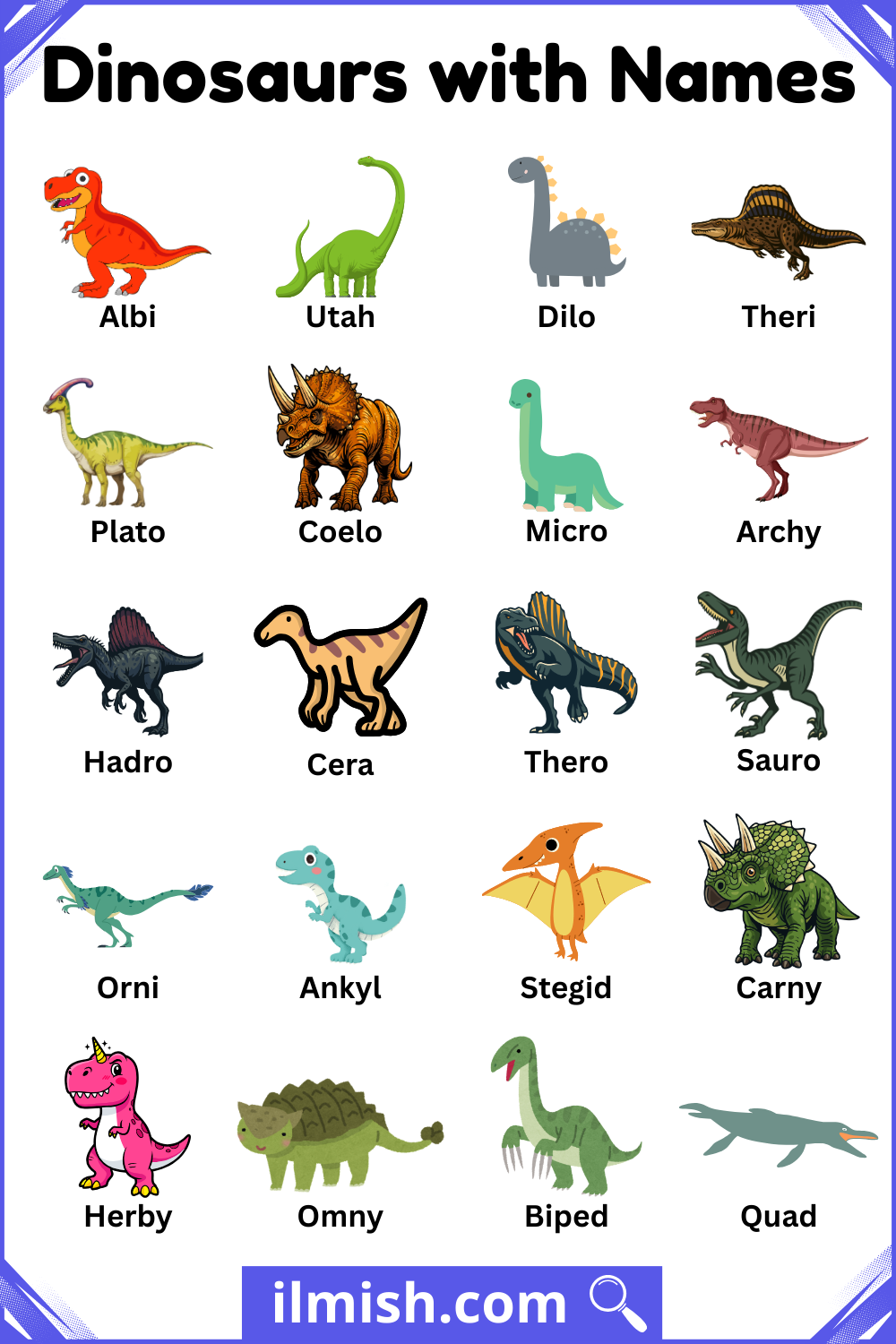
Dinosaurs Names and Types in English with Images
Albi
Medium-sized carnivorous dinosaur, fast and agile hunter, lived in groups, hunted small herbivores efficiently.
Utah
Large theropod dinosaur, predator with sharp claws and teeth, dominant hunter in Jurassic North America forests.
Dilo
Predatory dinosaur with crested head, agile and intelligent, hunted herbivores in small packs efficiently.
Theri
Theropod dinosaur, bipedal carnivore, strong legs, hunted prey using claws, lived during Jurassic-Cretaceous periods.
Plato
Herbivorous dinosaur with flat teeth for grinding plants, walked on four legs, peaceful and slow.
Coelo
Small, slender, carnivorous dinosaur, agile, lived in groups, hunted insects and small vertebrates efficiently.
Micro
Tiny feathered dinosaur, fast and intelligent, hunted insects, possibly used gliding to move between trees.
Archy
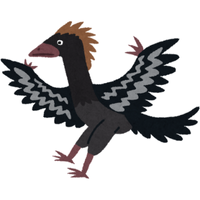
Archaeopteryx, small bird-like dinosaur, feathered, capable of short flight, hunted insects and small animals.
Hadro
Hadrosaur, duck-billed herbivore, fed on leaves and plants, lived in herds for safety and protection.
Cera
Ceratopsian dinosaur, horned herbivore, used frill and horns for defense and social interactions.
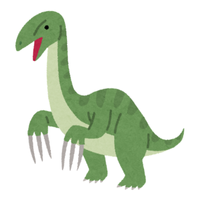
Thero
Large carnivorous dinosaur, strong jaws and claws, bipedal predator, hunted large herbivorous dinosaurs.
Sauro
Long-necked herbivorous dinosaur, walked on four legs, fed on tall vegetation, peaceful giant species.
Orni
Ornithopod dinosaur, herbivore, walked on two legs, ate plants and leaves, lived in herds.
Ankyl
Armored dinosaur, slow-moving, tail club for defense, lived in forests, fed on low vegetation.
Stegid
Stegosaur, plated dinosaur with spiked tail, used for protection and thermoregulation, herbivore living in herds.
Carny
Medium predator, agile and fast, hunted small to medium herbivores, lived in Mesozoic landscapes.
Herby
Small herbivorous dinosaur, ate low vegetation, walked on four legs, lived in groups for safety.
Omny
Omnivorous dinosaur, ate plants and small animals, lived in diverse habitats, adapted for survival.
Biped
Dinosaur that walks on two legs, usually fast predator or herbivore, adapted for balance and speed.
Quad
Dinosaur that walks on four legs, usually large herbivore, stable posture, grazed on plants efficiently.
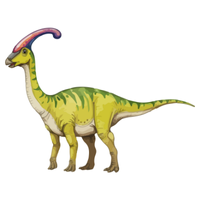
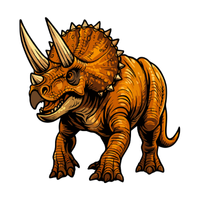
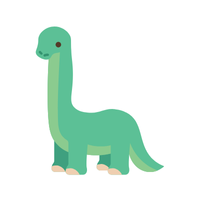
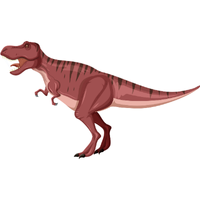
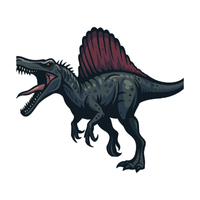
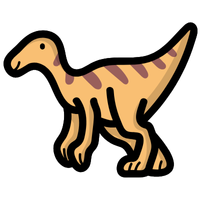
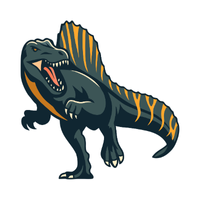
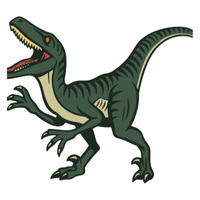
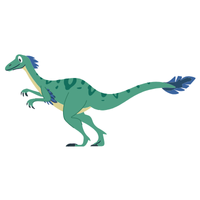
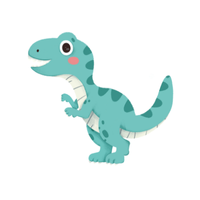
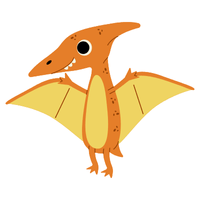
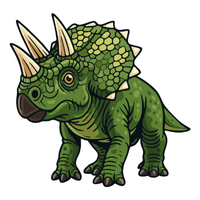
Dinosaurs Names and Types in English with Images
Unique Dinosaurs Name and Type in English
- Foss
- Skel
- Skull
- Claw
- Tail
- Crest
- Horn
- Frill
- Armor
- Plate
- Spike
- Tooth
- Beak
- Feath
- Track
- Nest
- Egg
- Hatch
- Grow
Common Types of Dinosaurs and Names with Pictures
Foss
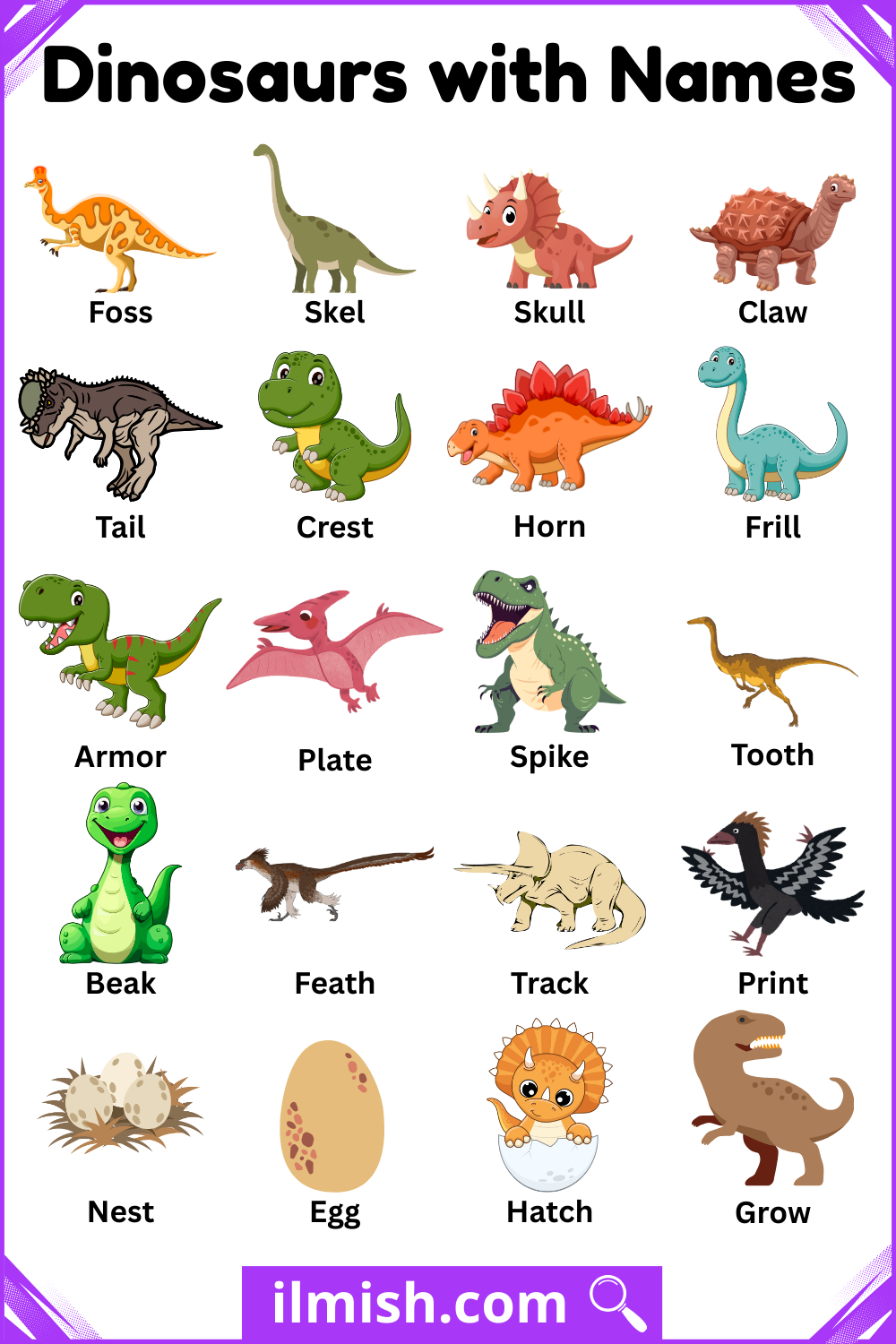
Fossil remains of dinosaur bones or teeth, preserved in rock, provide evidence of prehistoric life.
Skel
Skeleton of dinosaur, bones arranged naturally, shows structure, posture, and size of the extinct species.
Skull
Head structure of dinosaur, holds brain and teeth, important for species identification and study.
Claw
Sharp curved nail on dinosaur’s hand or foot, used for hunting, defense, or climbing.
Tail
Flexible body extension, used for balance, defense, communication, or swatting predators in various dinosaurs.
Crest
Bony or feathered structure on dinosaur’s head, used for display, communication, or attracting mates.
Horn
Hard pointed projection on dinosaur’s head, used for protection, fighting, and territorial displays.
Frill
Bony shield around dinosaur’s neck, often used for defense, display, and social signaling among herds.
Armor
Protective body covering, made of plates or spikes, used by some herbivorous dinosaurs against predators.
Plate
Flat bony structure along the back of some dinosaurs, used for display and thermoregulation purposes.
Spike
Pointed projection on dinosaur’s body, often on tail or back, used for defense against predators.
Tooth
Sharp or flat structure in dinosaur’s mouth, used for eating plants or tearing flesh efficiently.
Beak
Hard mouth structure of some herbivorous dinosaurs, used for cutting plants or seeds efficiently.
Feath
Feathers on some small dinosaurs, used for warmth, display, and gliding or flying short distances.
Track
Footprint left by dinosaur, preserved in sediment, provides evidence of movement, size, and behavior.
Print
Impression of dinosaur foot in mud or sand, helps scientists study locomotion and group behaviors.
Nest
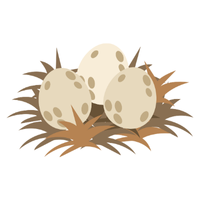
Place where dinosaurs laid eggs, often in colonies, protected by parents to ensure offspring survival.
Egg
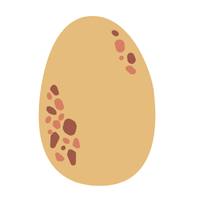
Reproductive body containing developing dinosaur embryo, usually buried or protected until hatching occurred naturally.
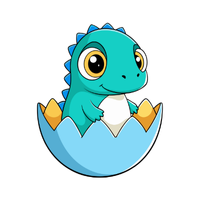
Hatch
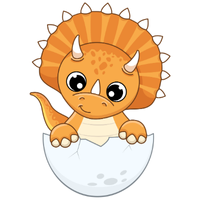
Process of a baby dinosaur emerging from egg, often cared for by parents in some species.
Grow
Natural development and increase in size of dinosaurs from hatchlings to fully grown adults.
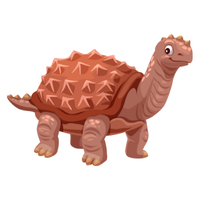
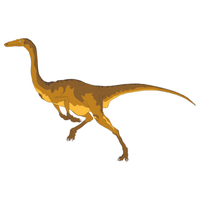
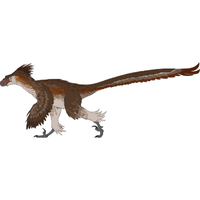
Common Types of Dinosaurs and Names with Pictures
Top Types of Dinosaurs and Name in English
- Giant
- Pred
- Prey
- Herd
- Roam
- Speed
- Bite
- Jaw
- Muscle
- Scale
- Bone
- Dig
- Site
- Layer
- Age
- Trias
- Jura
- Cret
- Extinct
- Study
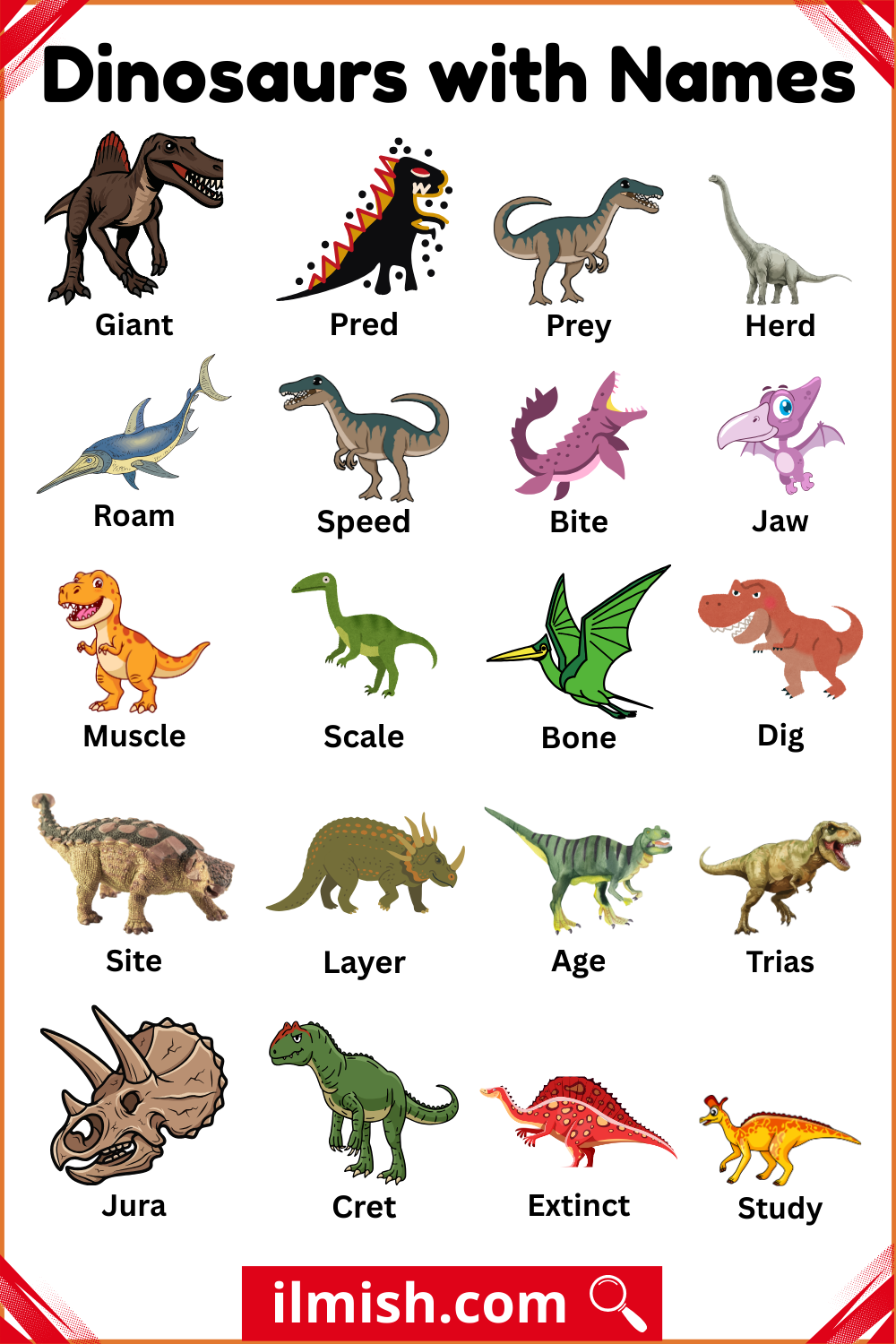
Simple English Names and Types for Dinosaurs with Pictures
Giant
Extremely large dinosaur species, herbivorous or carnivorous, dominated landscapes, fed on plants or hunted animals.
Pred
Predator dinosaur, hunts other dinosaurs or animals for food, uses claws, teeth, and speed effectively.
Prey
Herbivorous or small dinosaur eaten by predators, relied on speed, camouflage, or group defense for survival.
Herd
Group of dinosaurs living together, provided protection from predators and increased chances of survival.
Roam
Movement of dinosaurs across forests, plains, or rivers in search of food, water, or safety.
Speed
Ability to move fast, characteristic of some predators or small herbivores for hunting or escaping danger.
Bite
Action of dinosaur’s jaws closing to grab, cut, or crush food or defend against threats.
Jaw
Structure holding teeth, strong in carnivorous dinosaurs, used for eating meat or crushing plants.
Muscle
Tissues enabling dinosaur movement, strength, and hunting ability, attached to bones throughout the body.
Scale
Small protective covering on skin of dinosaurs, helps reduce water loss and defend against minor injuries.
Bone
Rigid tissue forming skeleton, gives structure, supports muscles, and protects organs in dinosaurs.
Dig
Action of some dinosaurs using claws or snouts to uncover food, build nests, or escape predators.
Site
Location where dinosaur fossils or footprints are discovered, studied by paleontologists to learn about history.
Layer
Rock or sediment level where dinosaur remains are found, provides information about age and environment.
Age
Period in which dinosaur lived, determined by fossils and rock layers, used to study prehistoric timelines.
Trias
Triassic period, earliest dinosaur era, species began evolving, forests and deserts dominated prehistoric landscapes.
Jura
Jurassic period, middle dinosaur era, large herbivores and carnivores evolved, widespread forests and oceans existed.
Cret
Cretaceous period, last dinosaur era, many species flourished, ended with mass extinction event 66 million years ago.
Extinct
No longer existing dinosaur species, disappeared from Earth due to climate changes or catastrophic events.
Study
Scientific observation and research of dinosaurs, fossils, and habitats to understand prehistoric life accurately.
Simple English Names and Types for Dinosaurs with Pictures