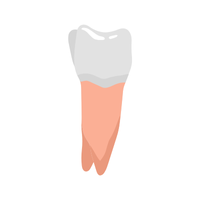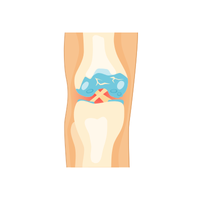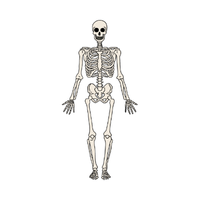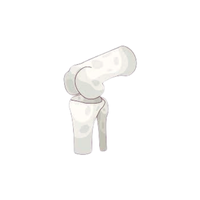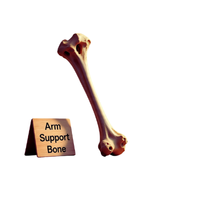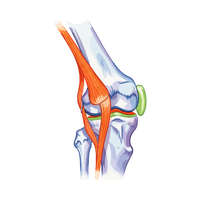
Bones are hard parts of the body that form the skeleton and help protect organs, support movement, and give shape to the body. The human body has many different bones, and each bone has a specific name, type, and function. Some bones are long, some are short, and others are flat or irregular in shape. In this article, you will learn a list of bones with their names and types in English, along with pictures to help you recognize them easily. This guide is helpful for students, teachers, and anyone who wants to learn about bones in a simple and easy way.
Table of Contents
Toggle20 Names of Bones in English
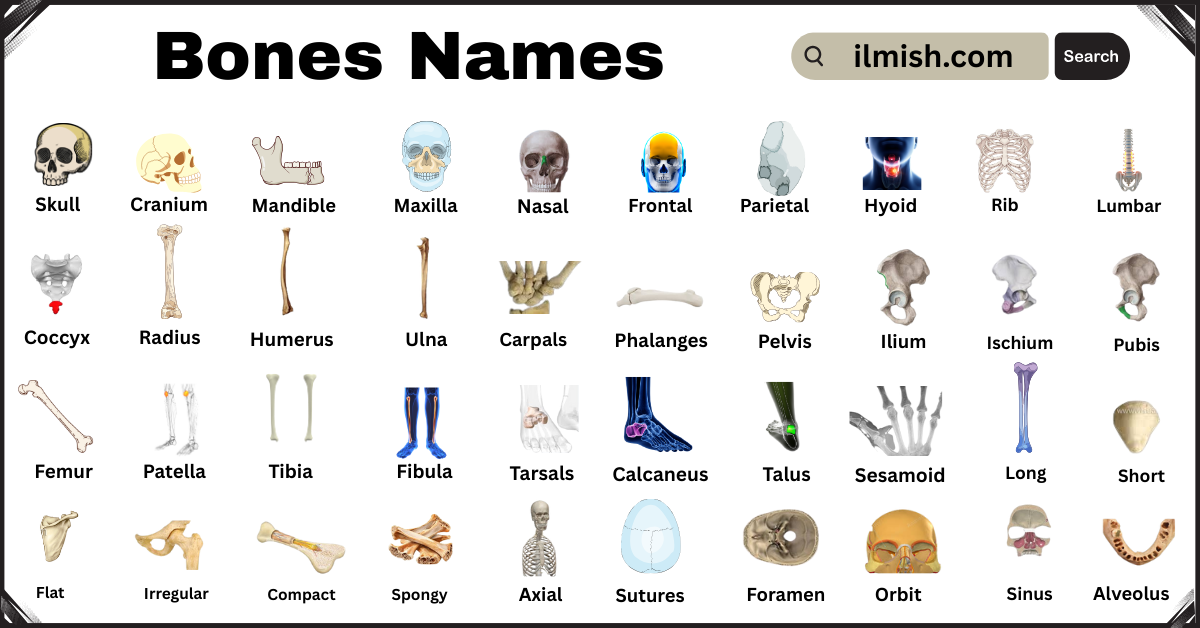
- Skull
- Cranium
- Mandible
- Maxilla
- Zygomatic
- Nasal
- Frontal
- Parietal
- Temporal
- Occipital
- Hyoid
- Clavicle
- Scapula
- Sternum
- Rib
- Vertebra
- Cervical
- Thoracic
- Lumbar
- Sacrum
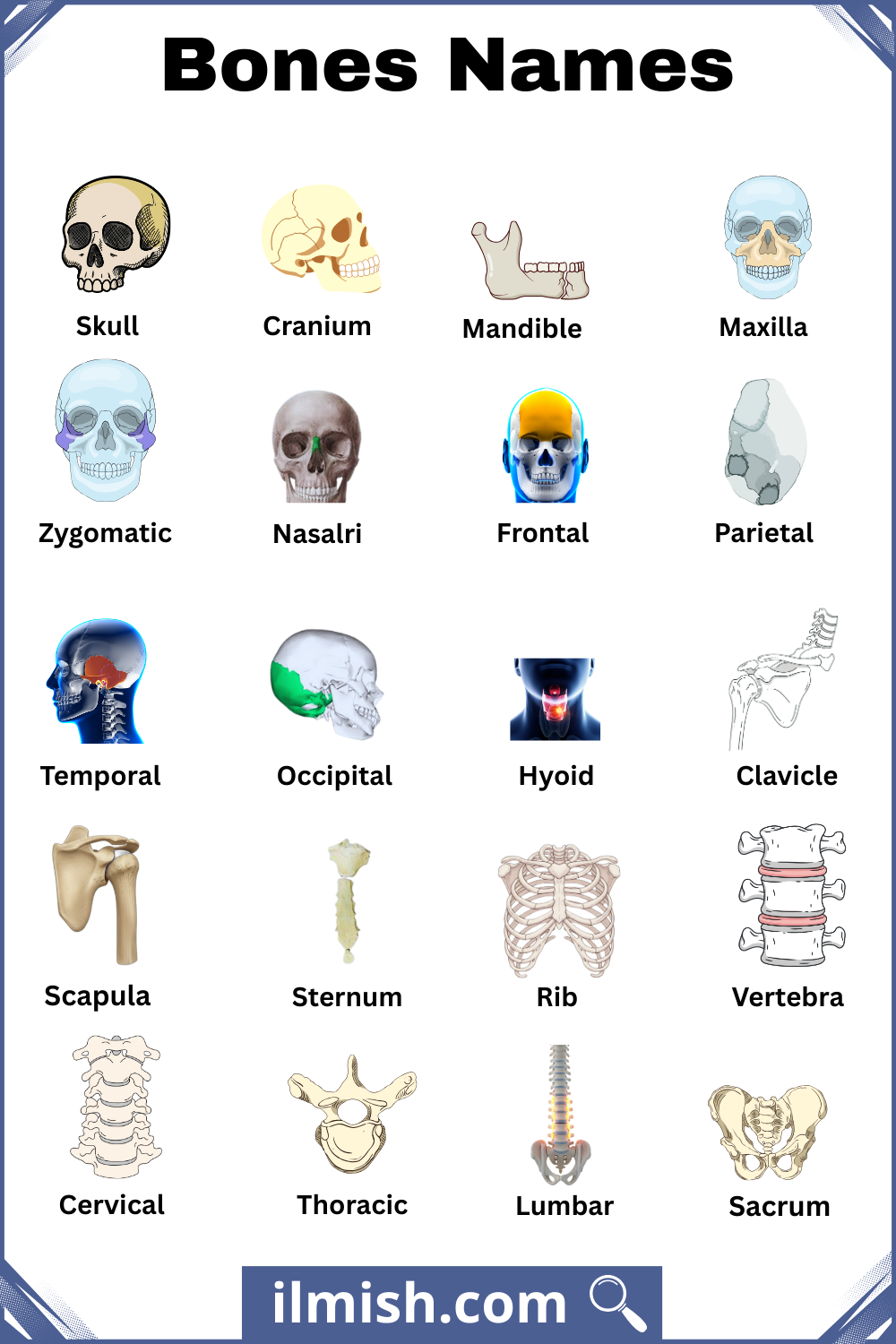
List of Bones Names with Types and Images
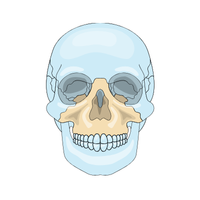
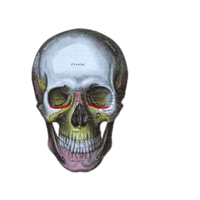
- Skull
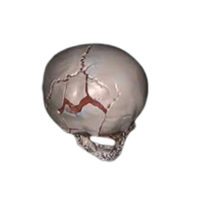
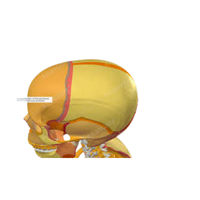
Skull is a hard bony structure of the head that protects the brain and supports the face and sense organs.

- Cranium
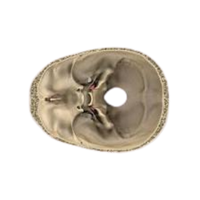
Cranium is the upper part of the skull that surrounds and protects the brain from injury.
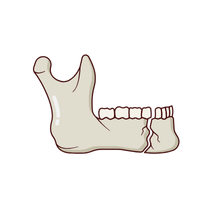
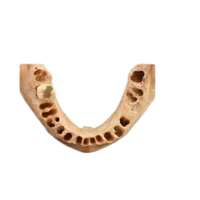
- Mandible
Mandible is the lower jawbone that helps in chewing food and forming clear speech.
- Maxilla
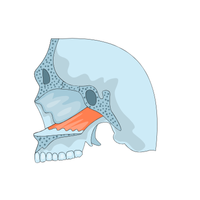
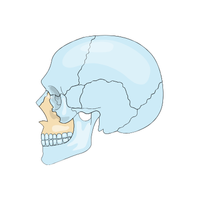
Maxilla is the upper jawbone that holds upper teeth and forms parts of the nose and eye sockets.
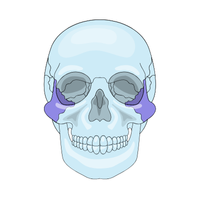
- Zygomatic
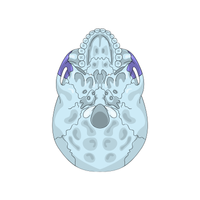
Zygomatic is the cheekbone that shapes the face and helps protect the eyes.
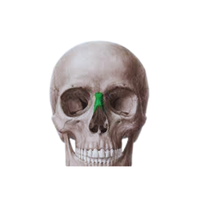
- Nasal
Nasal is made of small bones forming the bridge of the nose and supporting breathing passages.
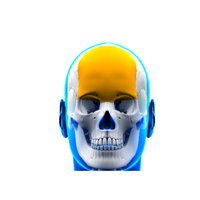
- Frontal
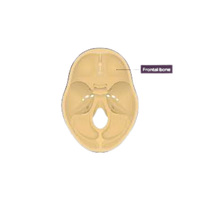
Frontal is the bone forming the forehead and the front part of the skull, protecting the brain.
- Parietal
Parietal consists of two bones on the sides and top of the skull that protect the brain.
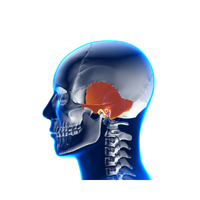
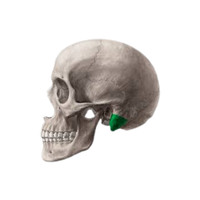
- Temporal
Temporal bones are found on each side of the skull and help with hearing and jaw movement.
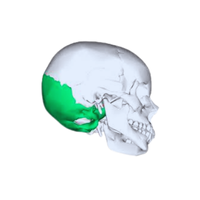
- Occipital
Occipital is the bone at the back of the skull that supports the head and connects to the spine.
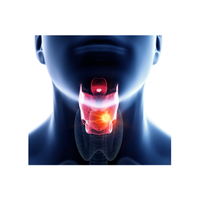
- Hyoid
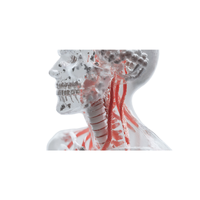
Hyoid is a small bone in the neck that supports the tongue and helps in speaking and swallowing.
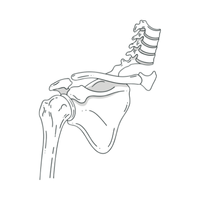
- Clavicle
Clavicle is the collarbone that connects the arm to the body and supports shoulder movement.
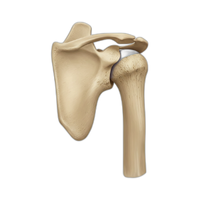
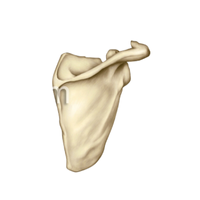
- Scapula
Scapula is the shoulder blade that helps attach the arm and allows wide arm movement.
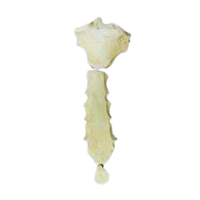
- Sternum
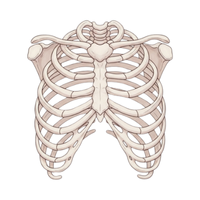
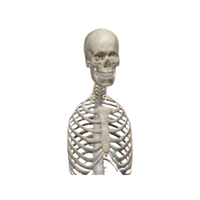
Sternum is the breastbone in the center of the chest that protects the heart and lungs.
- Rib
Rib is a curved bone that forms a protective cage around the heart and lungs.
- Vertebra
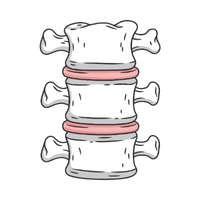
Vertebra is one of the small bones that form the spine and protect the spinal cord.
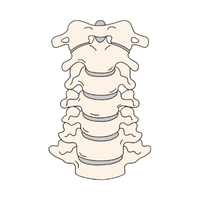
- Cervical
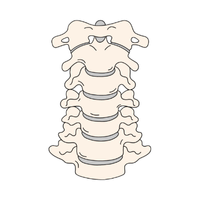
Cervical vertebrae are located in the neck and support the head and allow movement.
- Thoracic
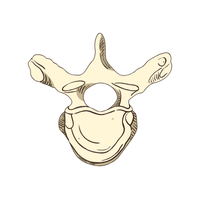
Thoracic vertebrae are found in the upper back and connect with the ribs.
- Lumbar
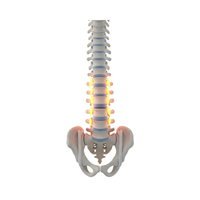
Lumbar vertebrae are located in the lower back and support most body weight.
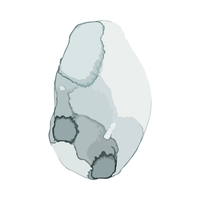
- Sacrum
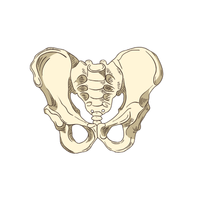
Sacrum is a group of fused bones at the base of the spine connecting the spine to the pelvis.
Names of Human Limb and Pelvic Bones in English
- Coccyx
- Humerus
- Radius
- Ulna
- Carpals
- Metacarpals
- Phalanges
- Pelvis
- Ilium
- Ischium
- Pubis
- Femur
- Patella
- Tibia
- Fibula
- Tarsals
- Metatarsals
- Calcaneus
- Talus
- Sesamoid
Learn Bones Names and Types with Pictures
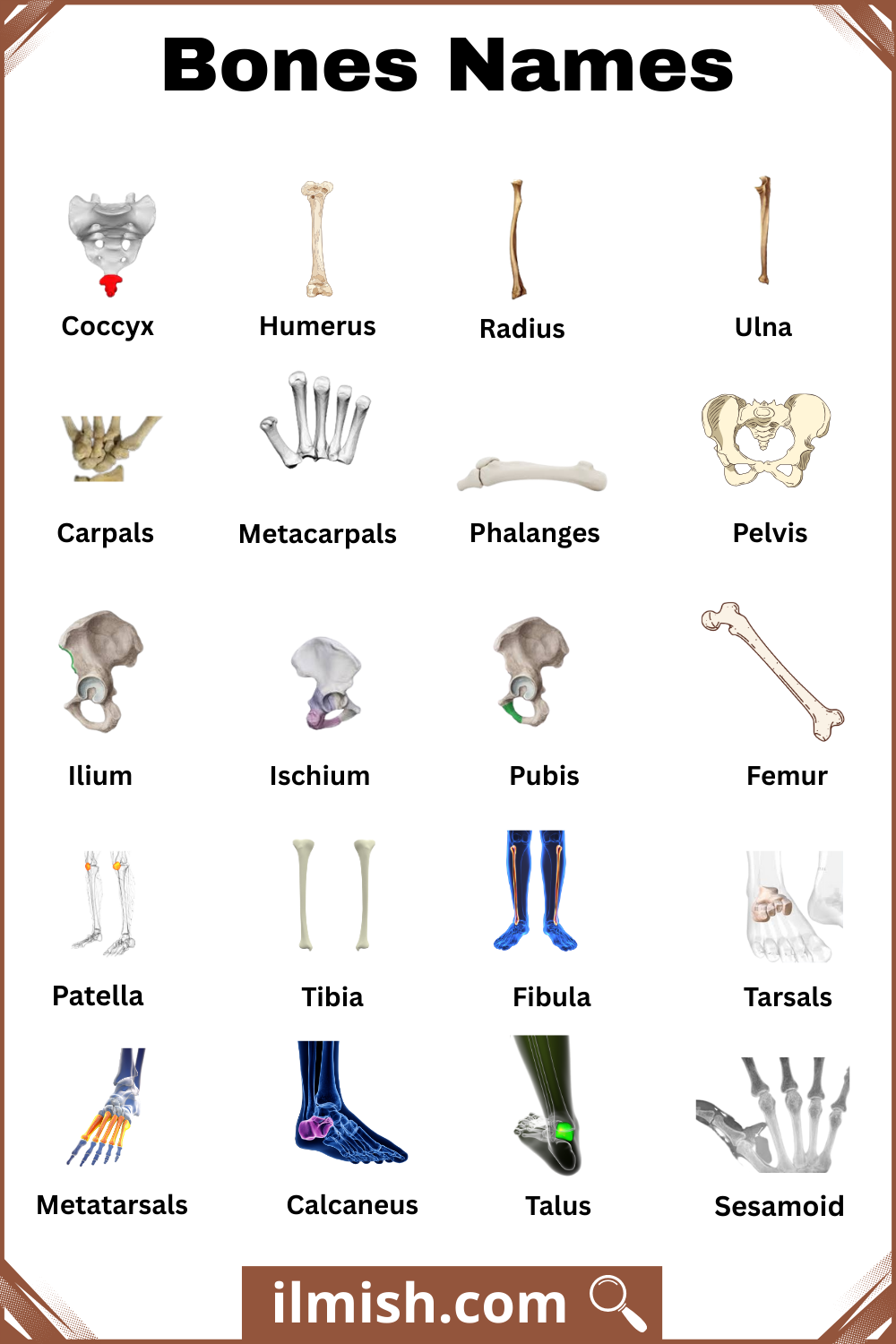
- Coccyx
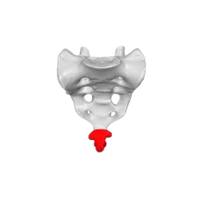
Coccyx is a small fused bone at the bottom of the spine that supports sitting balance and muscle attachment.
- Humerus
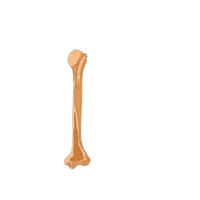
Humerus is the long upper arm bone connecting the shoulder to the elbow and allowing arm movement.
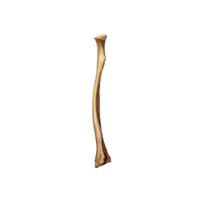
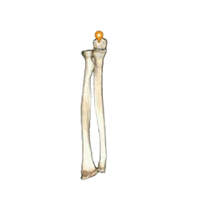
- Radius
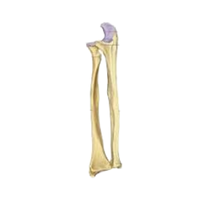
Radius is a forearm bone on the thumb side that helps rotate the wrist and hand.
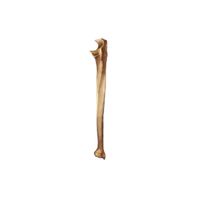
- Ulna
Ulna is the longer forearm bone on the little finger side that forms the elbow joint.
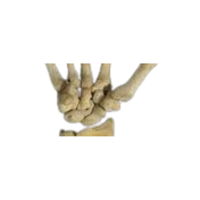
- Carpals
Carpals are eight small wrist bones that allow flexible hand and wrist movements.
- Metacarpals
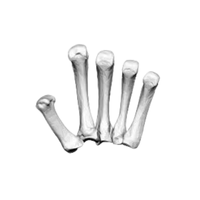
Metacarpals are five hand bones connecting the wrist to the fingers and giving shape to the palm.
- Phalanges
Phalanges are finger and toe bones that help in gripping, balance, and fine movements.
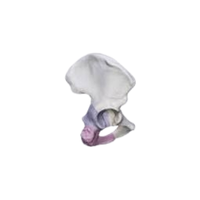
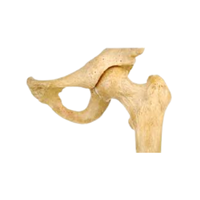
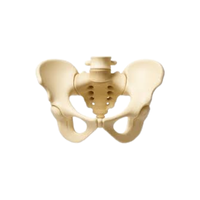
- Pelvis
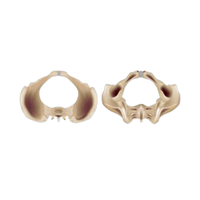
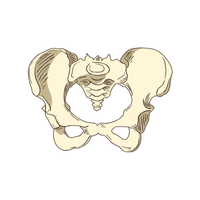
Pelvis is a strong bony structure that supports the spine and protects lower abdominal organs.
- Ilium
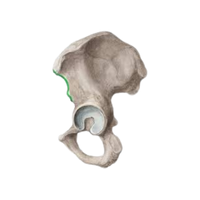
Ilium is the broad upper part of the pelvis that supports body weight while standing and walking.
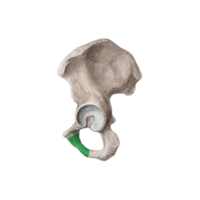
- Ischium
Ischium is the lower back part of the pelvis that supports body weight while sitting.
- Pubis
Pubis is the front portion of the pelvis that joins both hip bones together.
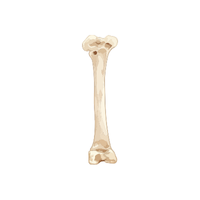
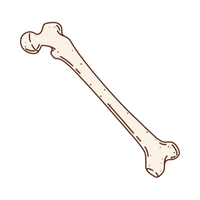
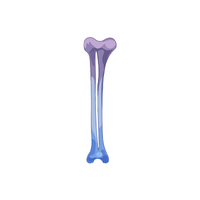
- Femur
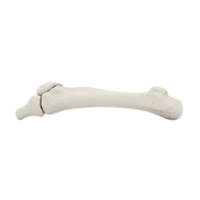
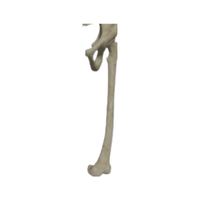
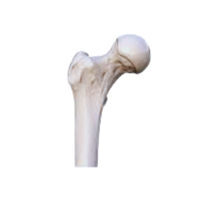
Femur is the longest and strongest bone in the body, supporting body weight and movement.
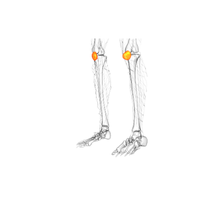
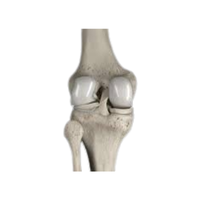
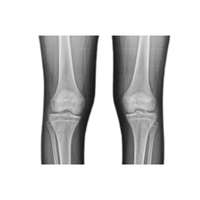
- Patella
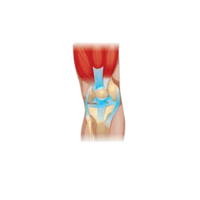
Patella is the kneecap that protects the knee joint and improves leg movement strength.
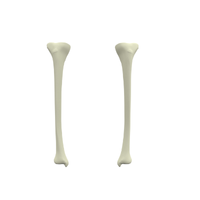
- Tibia
Tibia is the larger lower leg bone that supports most body weight during standing and walking.
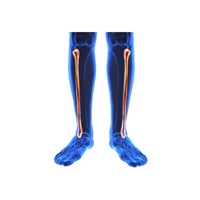
- Fibula
Fibula is the thinner lower leg bone that helps stabilize the ankle and lower leg muscles.
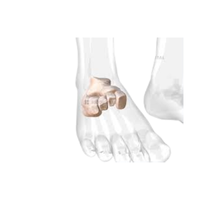
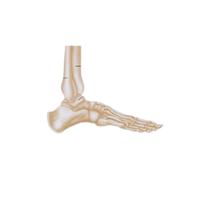
- Tarsals
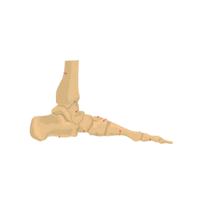
Tarsals are ankle bones that support body weight and help with walking balance.
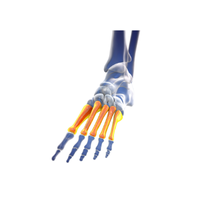
- Metatarsals
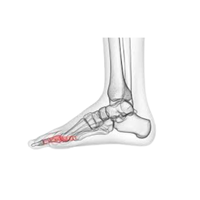
Metatarsals are foot bones that connect the ankle to toes and help in walking and running.
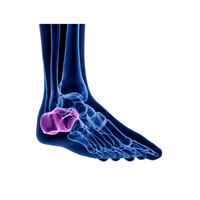
- Calcaneus
Calcaneus is the heel bone that supports body weight and absorbs shock during walking.
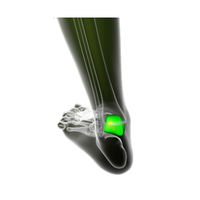
- Talus
Talus is the ankle bone that connects the leg to the foot and allows smooth movement.
- Sesamoid
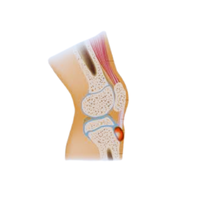
Sesamoid is a small round bone within tendons that reduces friction and protects tendons during movement.
Types of Bones in the Human Body in English
- Long
- Short
- Flat
- Irregular
- Compact
- Spongy
- Axial
- Appendicular
- Sutures
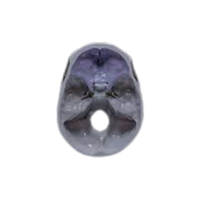
- Foramen
- Orbit
- Sinus
- Alveolus
- Condyle
- Process
- Fossa
- Crest
- Spine
- Notch
- Plate
Different Types of Bones Types with Names and Images
- Long
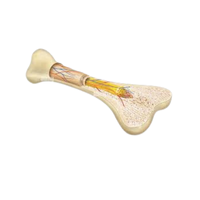
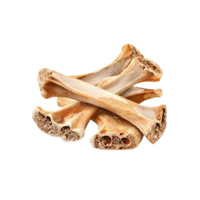
Long bones are longer than wide and help in movement, strength, and supporting body weight.
- Short
Short bones are small and cube shaped bones that provide support and stability with little movement.
- Flat
Flat bones are thin, wide bones that protect organs and provide large surfaces for muscle attachment.
- Irregular
Irregular bones have complex shapes and protect organs while supporting muscles and nerves.
- Compact
Compact bone is the hard outer layer of bone that gives strength and protects inner bone tissue.
- Spongy
Spongy bone is the porous inner bone that stores marrow and helps absorb shock.
- Axial
Axial skeleton includes bones of the head, spine, and chest that support and protect vital organs.
- Appendicular
Appendicular skeleton includes limb bones and girdles that allow movement and body balance.
- Sutures
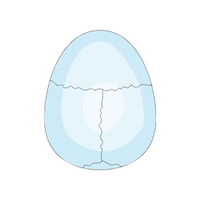
Sutures are immovable joints between skull bones that hold them tightly together.
- Foramen
Foramen is a natural opening in a bone that allows nerves and blood vessels to pass.
- Orbit
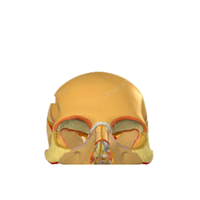
Orbit is the bony cavity that holds and protects the eye.
- Sinus
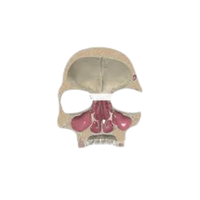
Sinus is an air filled space in skull bones that lightens the skull and helps breathing.
- Alveolus
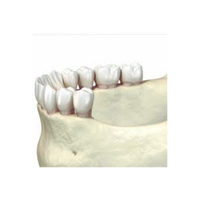
Alveolus is a small socket in the jawbone that holds a tooth firmly.
- Condyle
Condyle is a rounded bone end that forms a joint and allows smooth movement.
- Process
Process is a bony projection that serves as an attachment point for muscles or ligaments.
- Fossa
Fossa is a shallow depression in a bone that allows joint movement.
- Crest
Crest is a raised ridge of bone used for strong muscle attachment.
- Spine
Spine is a sharp bony projection that provides attachment for muscles and ligaments.
- Notch
Notch is an indentation in a bone that allows passage of nerves or blood vessels.
- Plate
Plate is a flat bony part that forms structure and protection in certain bones.
Human Bones with Names in English
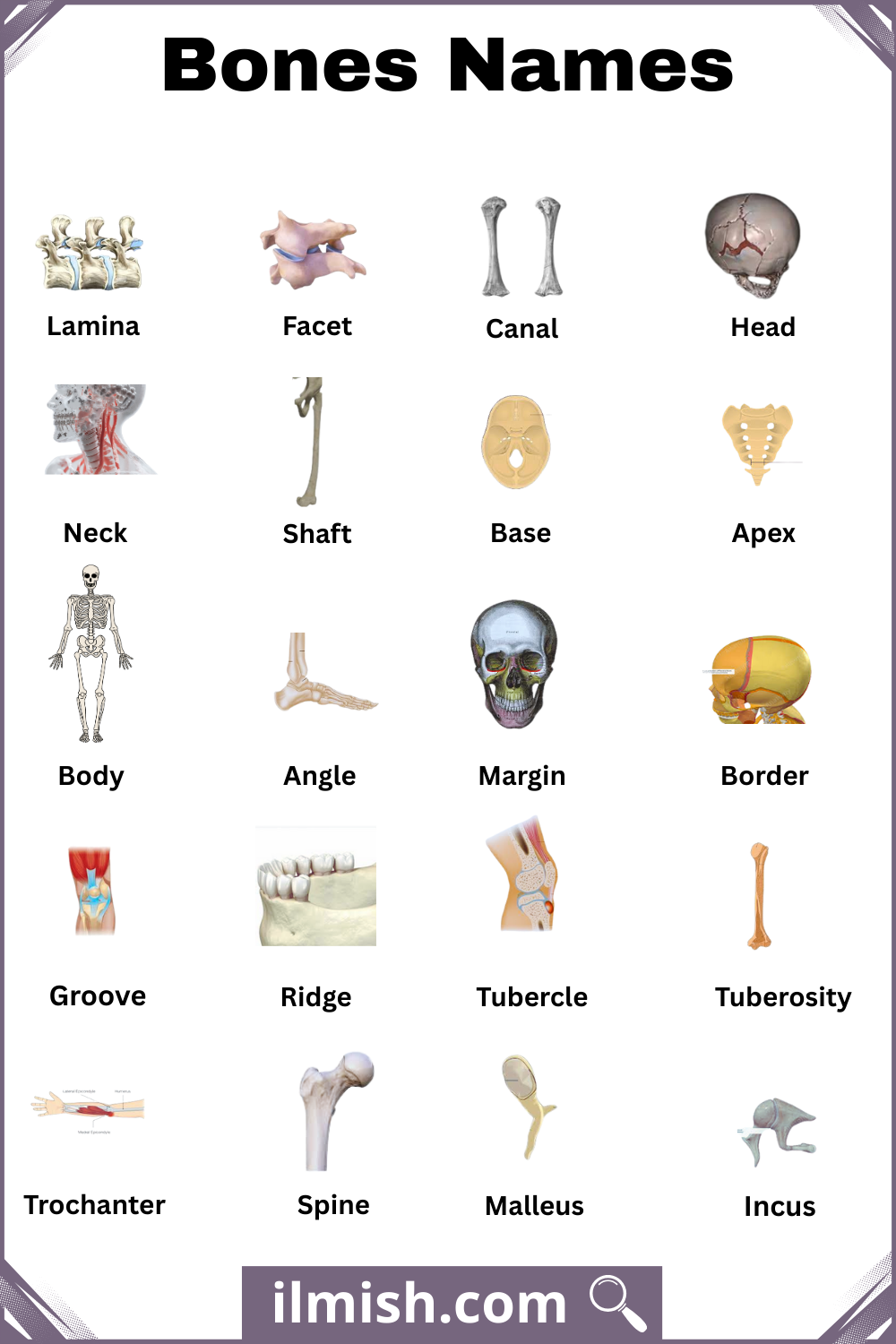
- Lamina
- Facet
- Canal
- Head
- Neck
- Shaft
- Base
- Apex
- Body
- Angle
- Margin
- Border
- Groove
- Ridge
- Tubercle
- Tuberosity
- Trochanter
- Epicondyle
- Malleus
- Incus
Common Human Bones with Names and Types with Pictures
- Lamina
Lamina is a thin flat plate of bone forming part of a vertebra and protecting the spinal cord.
- Facet
Facet is a smooth flat surface on a bone that forms a joint with another bone.
- Canal
Canal is a tunnel like passage in bone that allows nerves and blood vessels to pass through.
- Head
Head is the rounded end of a bone that fits into a joint for smooth movement.
- Neck
Neck is the narrow part of a bone that connects the head to the shaft.
- Shaft
Shaft is the long central part of a long bone that provides strength and support.
- Base
Base is the broad bottom part of a bone that supports other structures.
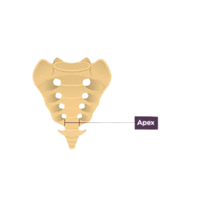
- Apex
Apex is the pointed tip of a bone directed upward or downward.
- Body
Body is the main thick part of a bone that gives shape and strength.
- Angle
Angle is a corner formed where two parts of a bone meet.
- Margin
Margin is the edge of a bone that helps define its shape.
- Border
Border is the outer boundary of a bone separating it from nearby structures.
- Groove
Groove is a shallow channel in a bone that guides nerves or tendons.
- Ridge
Ridge is a long raised line of bone for muscle or ligament attachment.
- Tubercle
Tubercle is a small rounded bump on a bone where muscles or ligaments attach.
- Tuberosity
Tuberosity is a large roughened area on a bone used for strong muscle attachment.
- Trochanter
Trochanter is a large bony projection on the femur for muscle attachment.
- Epicondyle
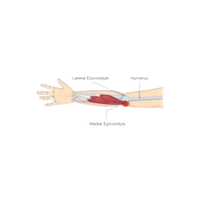
Epicondyle is a raised area above a condyle that provides attachment for muscles.
- Malleus
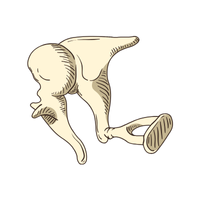
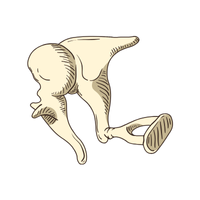
Malleus is a tiny middle ear bone that carries sound vibrations from the eardrum.
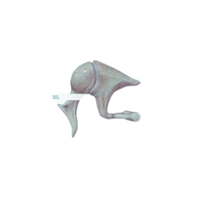
- Incus
Incus is a small middle ear bone that passes sound vibrations to the stapes.
Most Important Bones in the Human Body in English
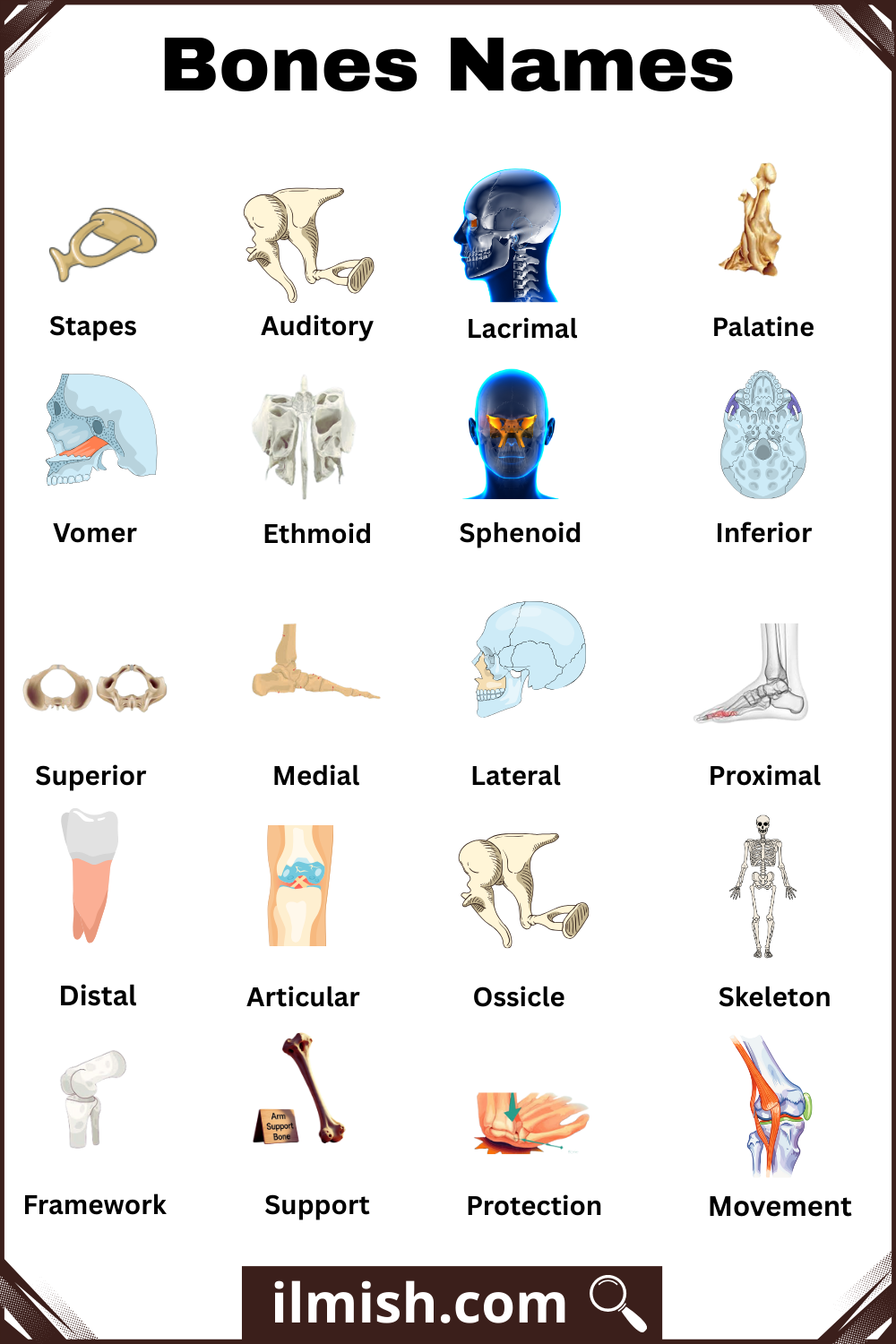
- Stapes
- Auditory
- Lacrimal
- Palatine
- Vomer
- Ethmoid
- Sphenoid
- Inferior
- Superior
- Medial
- Lateral
- Proximal
- Distal
- Articular
- Ossicle
- Skeleton
- Framework
- Support
- Protection
- Movement
Popular Bones with Names and Types with Pictures
- Stapes
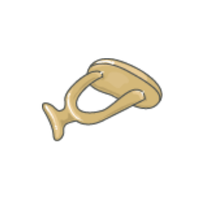
Stapes is the smallest bone in the human body and helps carry sound vibrations to the inner ear.
- Auditory
Auditory relates to hearing and includes bones and parts that help detect and transmit sounds.
- Lacrimal
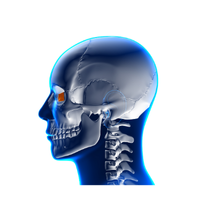
Lacrimal is a small facial bone forming part of the eye socket and tear drainage system.
- Palatine
Palatine is a bone forming the back part of the mouth roof and nasal cavity.
- Vomer
Vomer is a thin flat bone that forms the lower part of the nasal septum.
- Ethmoid
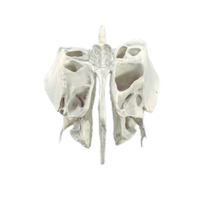
Ethmoid is a light spongy bone between the eyes that forms parts of the nose and eye sockets.
- Sphenoid
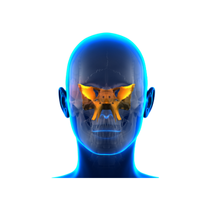
Sphenoid is a central skull bone that connects many bones and supports the brain.
- Inferior
Inferior means a structure located below another part of the body.
- Superior
Superior means a structure located above another part of the body.
- Medial
Medial means closer to the center line of the body.
- Lateral
Lateral means farther from the center line of the body.
- Proximal
Proximal means nearer to where a limb joins the body.
- Distal
Distal means farther from where a limb joins the body.
- Articular
Articular refers to a bone surface that forms a joint with another bone.
- Ossicle
Ossicle is a very small bone, mainly found in the middle ear.
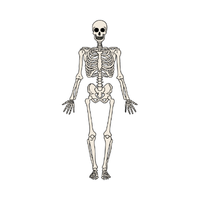
- Skeleton
Skeleton is the complete set of bones that gives shape, strength, and protection to the body.
- Framework
Framework is the bony structure that holds the body together and supports organs.
- Support
Support is the function of bones in holding the body upright and bearing weight.
- Protection
Protection is the role of bones in shielding important organs from injury.
- Movement
Movement happens when bones work with muscles and joints to move body parts.