
Crawling insects are a common part of our everyday surroundings, whether we notice them in the garden, near a window, or moving across the soil. Each insect has its own unique look and behavior, and learning their names helps us understand the tiny world that exists around us. In this article, you’ll learn the names of different Crawling Insects Names in English along with clear pictures that make them easy to identify. This simple guide is perfect for anyone who wants to learn about these small creatures in an easy and enjoyable way.
Crawling Insects Names in English
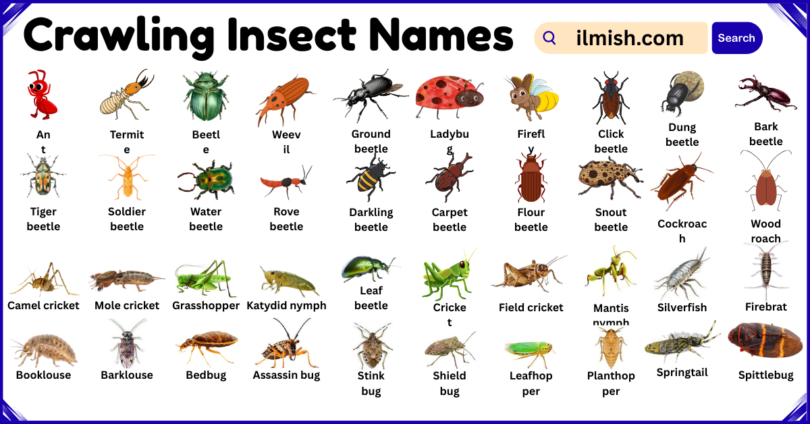
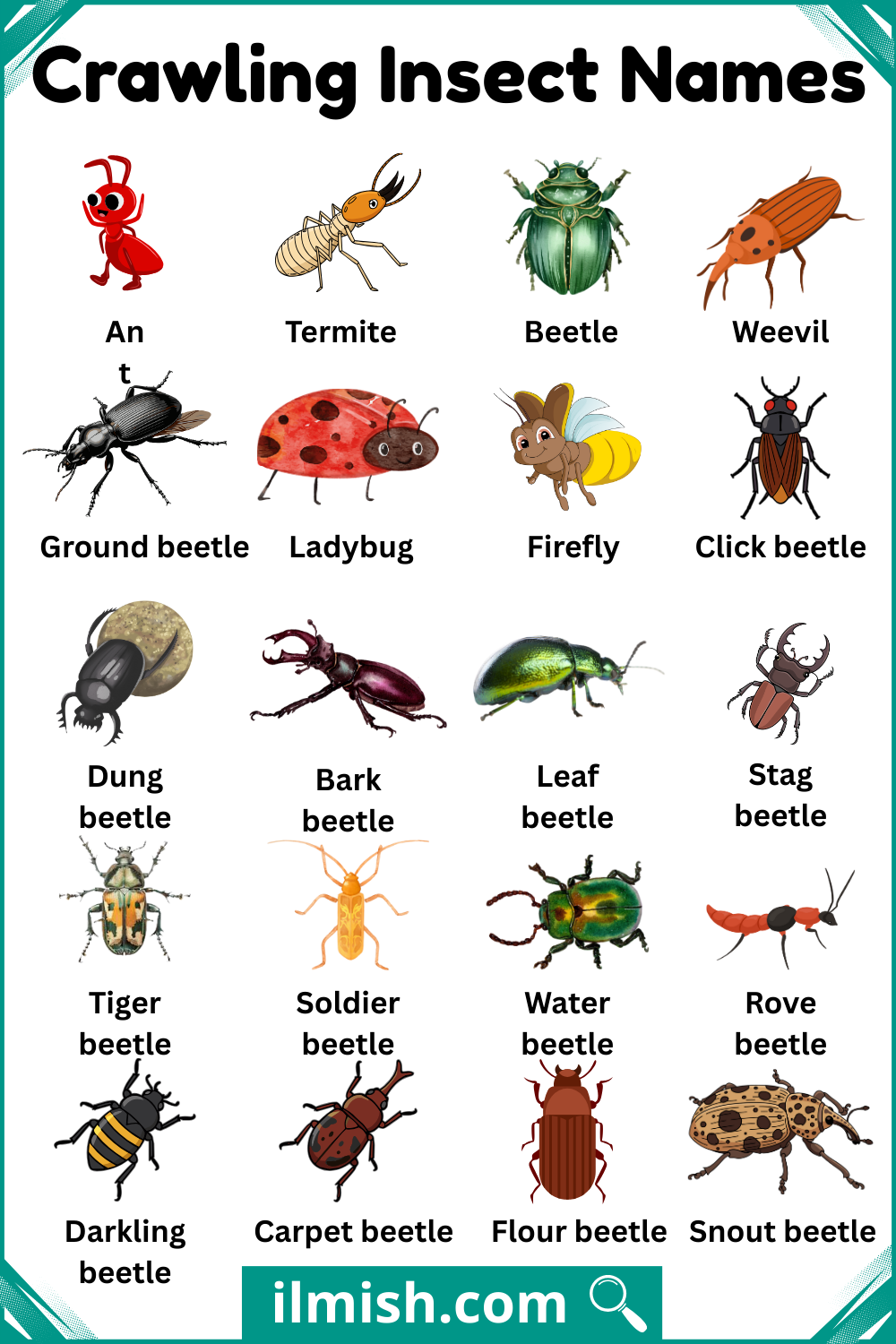
- Ant
- Termite
- Beetle
- Weevil
- Ground beetle
- Ladybug
- Firefly
- Click beetle
- Dung beetle
- Bark beetle
- Leaf beetle
- Stag beetle
- Tiger beetle
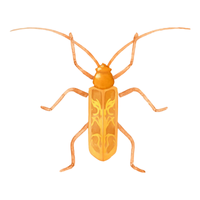
- Soldier beetle
- Water beetle
- Rove beetle
- Darkling beetle
- Carpet beetle
- Flour beetle
- Snout beetle
Types of Crawling Insects Names with Pictures
- Ant
A small social insect living in organized colonies, gathering food, communicating with scents, and protecting their nest.

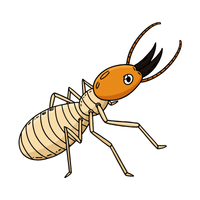
- Termite
Soft-bodied insect feeding on wood, forming large colonies, recycling nutrients, and sometimes causing serious damage to buildings.
- Beetle
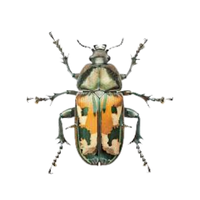
Insect with hardened wing covers protecting flying wings, living in many habitats, and playing important ecological roles worldwide.
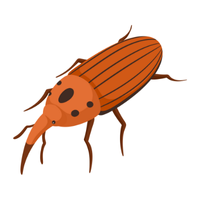
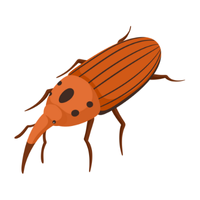
- Weevil
Small beetle with a long snout, feeding on plants and seeds, often damaging crops and stored grains.
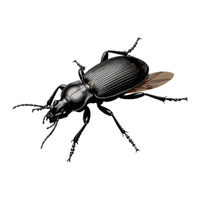
- Ground Beetle
Fast-moving beetle living on soil surfaces, hunting harmful insects, mainly active at night, and helping control pests.
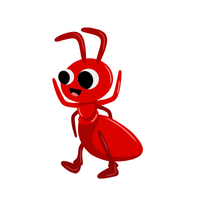
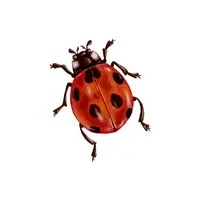
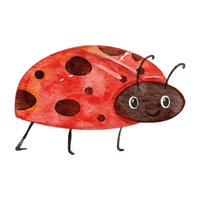
- Ladybug
Round, bright-colored beetle feeding on aphids, protecting plants naturally, and commonly found in gardens and farms.
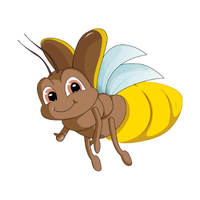
- Firefly
Beetle that produces glowing light at night for communication, attracting mates, and warning predators of its taste.
- Click Beetle
Slender beetle snapping its body to flip upright, escaping danger, with larvae known for damaging crop roots.
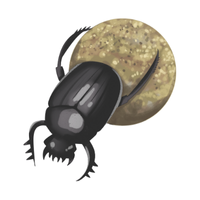
- Dung Beetle
Beetle feeding on animal droppings, rolling or burying dung, improving soil fertility, and reducing flies naturally.
- Bark Beetle
Tiny beetle living under tree bark, boring tunnels, spreading fungi, and often killing weakened or stressed trees.
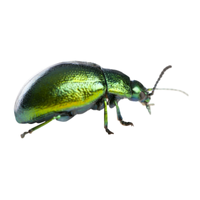
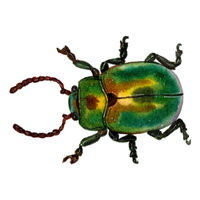
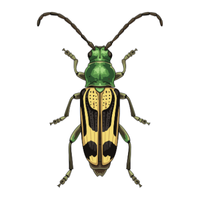
- Leaf Beetle
Colorful beetle feeding mainly on leaves, sometimes harming crops, and found on a wide variety of plants.
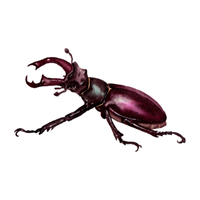
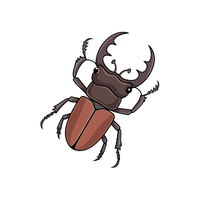
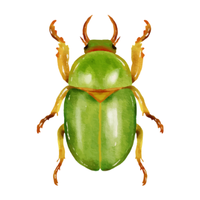
- Stag Beetle
Large beetle with antler-like jaws used in fights, living in woodlands, and helping decay dead or rotting wood.
- Tiger Beetle
Fast-running predatory beetle with strong jaws, chasing prey visually, and living in sandy, open, or sunny environments.
- Soldier Beetle
Soft-bodied beetle found on flowers, feeding on pests, pollinating plants, and helping maintain healthy garden ecosystems. - Water Beetle
Aquatic beetle storing air for breathing underwater, swimming strongly, and hunting or scavenging in freshwater habitats.
- Rove Beetle
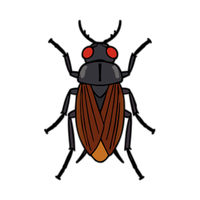
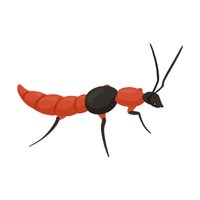
Long-bodied beetle with short wing covers, living in moist places, hunting small pests, and supporting natural pest control.
- Darkling Beetle
Beetle adapted to dry environments, feeding on decaying materials, active mostly at night, and important for nutrient recycling.
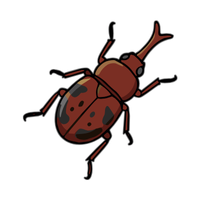
- Carpet Beetle
Small household beetle whose larvae damage fabrics, feeding on natural fibers, and commonly found in carpets and clothing.
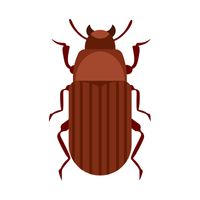
- Flour Beetle
Tiny pantry beetle infesting stored grains, feeding on flour, multiplying quickly, and contaminating food products easily.
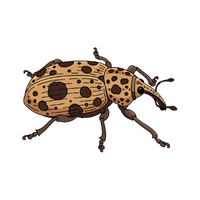
- Snout Beetle
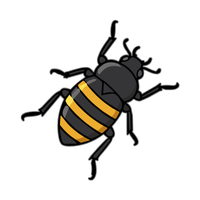
Beetle with an extended snout for feeding, boring into stems or seeds, and often harming valuable agricultural crops.
Types of Crawling Insects Names with Pictures
List of Crawling Insect Name
- Cockroach
- Wood roach
- Cricket
- Field cricket
- Camel cricket
- Mole cricket
- Grasshopper nymph
- Katydid nymph
- Mantis nymph
- Silverfish
- Firebrat
- Springtail
- Booklouse
- Barklouse
- Bedbug
- Kissing bug
- Assassin bug
- Stink bug
- Shield bug
- Leafhopper nymph
Different types of Crawling Insects with Their Pictures
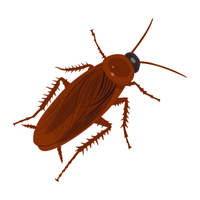
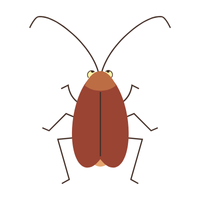
- Cockroach
A fast, flat-bodied insect feeding on food scraps, hiding in dark places, and surviving harsh conditions easily.
- Wood Roach
A harmless outdoor roach living under logs and bark, attracted to lights but not infesting homes indoors.
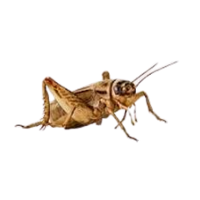
- Cricket
An insect known for chirping sounds made by rubbing wings, active mostly at night, and feeding on plants.
- Field Cricket
A dark cricket living in grassy areas, chirping loudly, hiding in burrows, and feeding on vegetation or insects.
- Camel Cricket
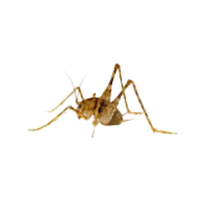
A hump-backed, wingless cricket with long legs, living in damp places, jumping suddenly, and feeding on organic debris.
- Mole Cricket
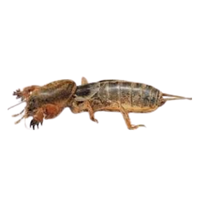
A burrowing cricket with shovel-like forelegs for digging, living underground, and sometimes damaging plant roots while feeding.
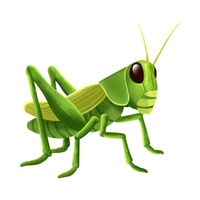
- Grasshopper Nymph
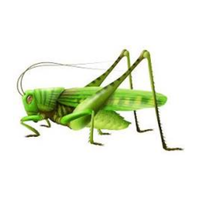
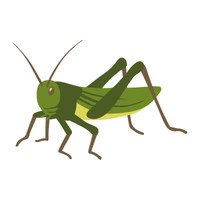
A young, wingless grasshopper feeding on plants, hopping actively, and gradually developing wings through several growth stages.
- Katydid Nymph
A young katydid resembling a small grasshopper, feeding on leaves, highly camouflaged, and developing wings as it matures.
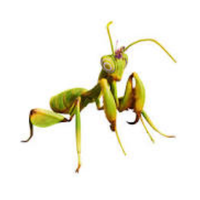
- Mantis Nymph
A juvenile praying mantis hunting small insects, quick-moving, and gradually growing into a skilled adult predator.
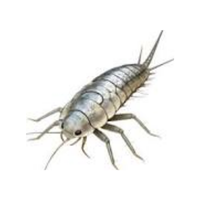
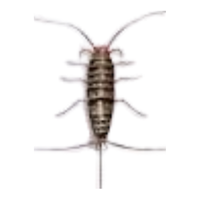
- Silverfish
A fast, silver-colored insect hiding in dark places, feeding on paper, glue, fabrics, and thriving in moist areas.
- Firebrat
A heat-loving insect resembling silverfish, living near warm places, feeding on starchy materials, and surviving high temperatures easily.
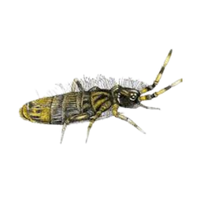
- Springtail
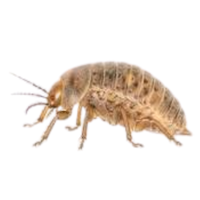
A tiny soil insect-like creature jumping with a tail spring, living in moist areas, and helping break down organic matter.
- Booklouse
A tiny soft-bodied insect feeding on mold or glue in books, thriving in humid places, and harmless to humans.
- Barklouse
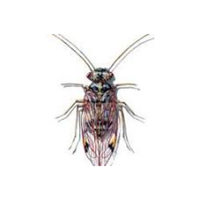
A small insect living on tree bark, feeding on fungi or algae, and helping clean natural surfaces outdoors.
- Bedbug
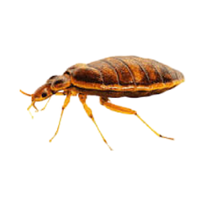
A small flat insect feeding on human blood at night, hiding in cracks, and difficult to eliminate completely.
- Kissing Bug
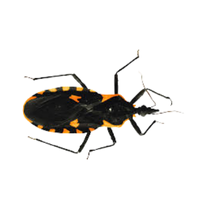
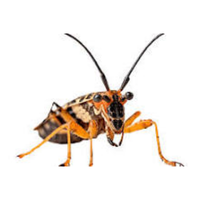
A blood-feeding insect attracted to sleeping hosts, biting around the face, and capable of spreading certain tropical diseases.
- Assassin Bug
A predatory insect using a sharp beak to capture prey, hunting actively, and important in controlling unwanted pests.
- Stink Bug
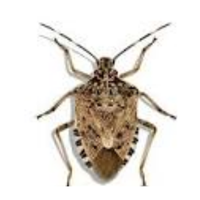
A shield-shaped insect releasing a strong odor when threatened, feeding on plants, and sometimes damaging fruits or crops.
- Shield Bug
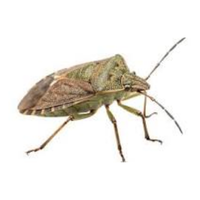
A broad, shield-shaped insect feeding on plant juices, releasing mild odors, and common on leaves, stems, and gardens.
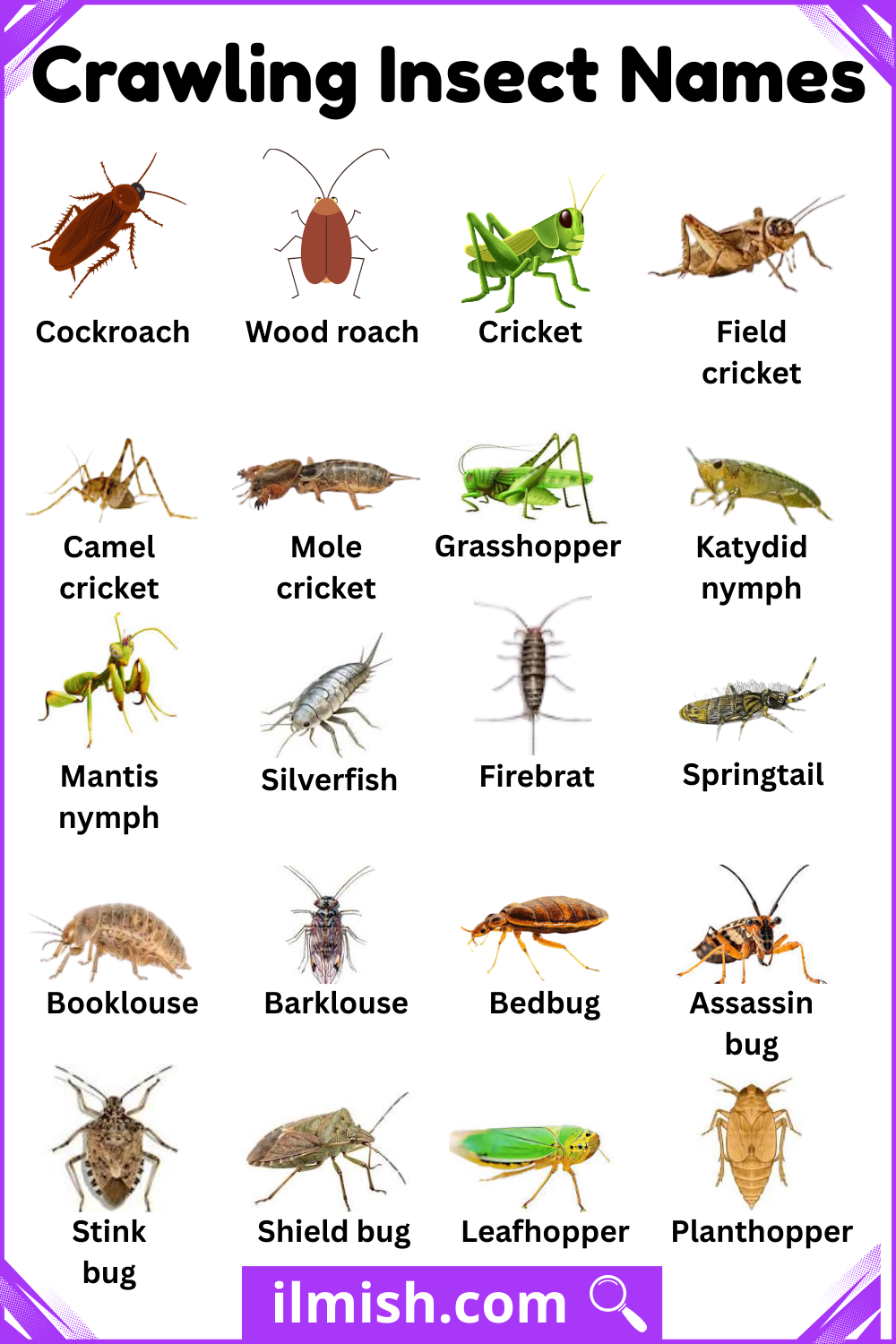
- Leafhopper Nymph
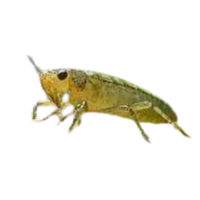
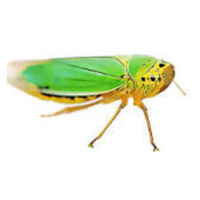
A young leafhopper feeding on plant sap, jumping quickly, and maturing through several stages before developing wings.
Different types of Crawling Insects with Their Pictures
Learn Insects with Their Names
- Planthopper nymph
- Spittlebug nymph
- Aphid
- Whitefly nymph
- Scale insect
- Mealybug
- Thrip
- Earwig
- Lacewing larva
- Antlion larva
- Caddisfly larva
- Mayfly nymph
- Stonefly nymph
- Dragonfly nymph
- Damselfly nymph
- Mosquito larva
- Midge larva
- Blackfly larva
- Housefly larva
- Blowfly larva
Most Common Insects Names with Pictures
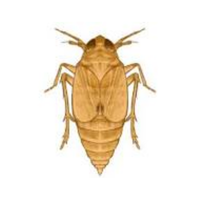
- Planthopper Nymph
A young planthopper feeding on plant sap, jumping quickly, producing waxy coverings, and gradually developing wings through molts.
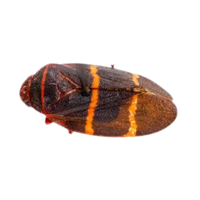
- Spittlebug Nymph
A juvenile spittlebug hiding in foam masses, feeding on plant sap, and staying protected from predators and drying out.
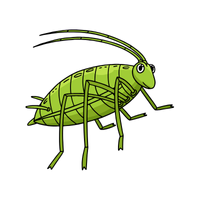
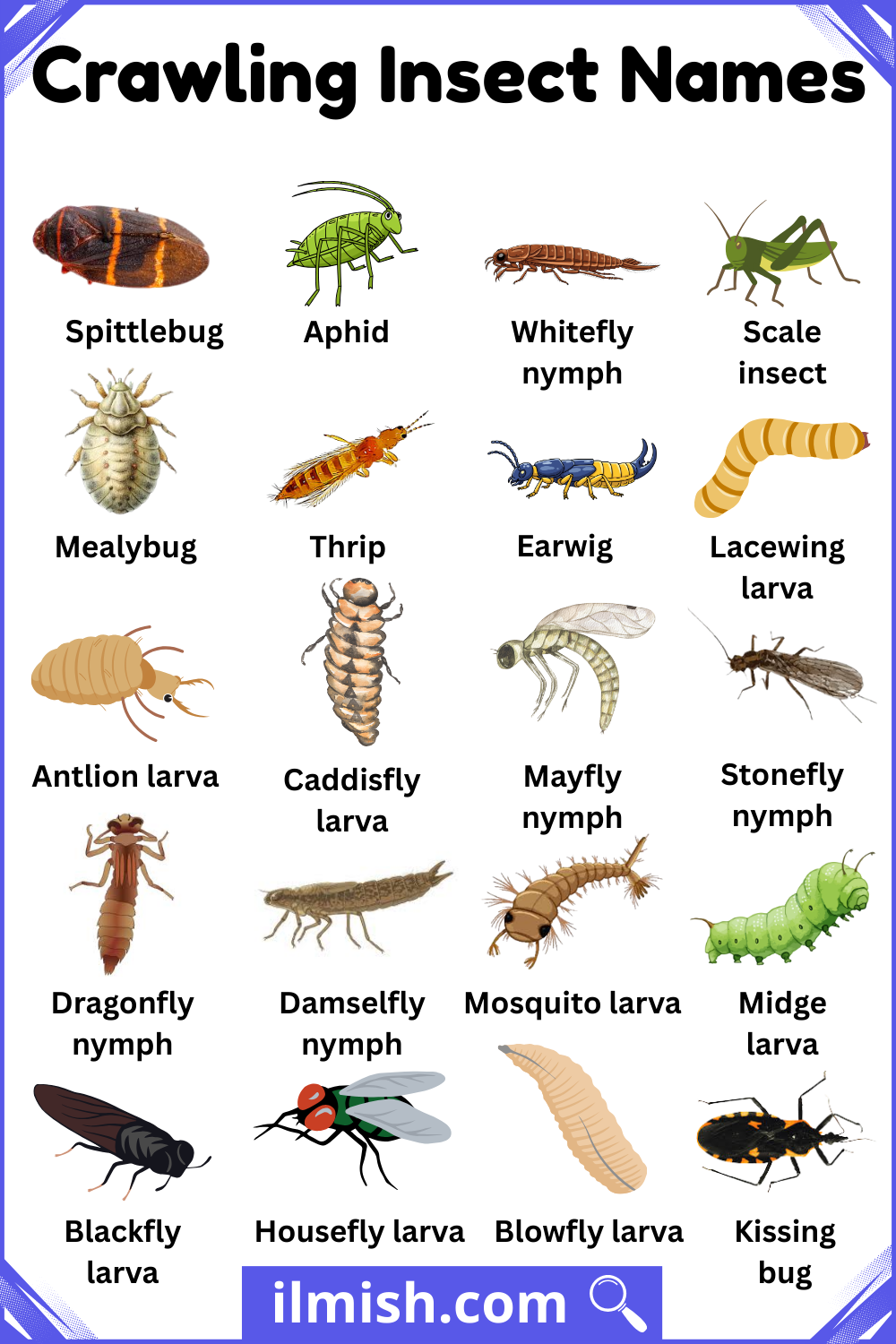
- Aphid
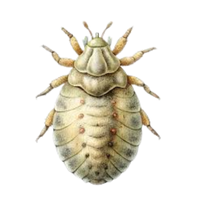
A tiny soft-bodied insect sucking plant sap, multiplying quickly, forming colonies, and often attracting ants with sugary honeydew.
- Whitefly Nymph
A scale-like young whitefly attached to leaves, sucking plant juices, weakening plants, and later developing wings.
- Scale Insect
A small sap-feeding insect covered with a protective shell, remaining mostly still, and sometimes damaging garden or houseplants.
- Mealybug
A soft-bodied insect coated in white wax, feeding on plant sap, weakening growth, and often clustering on stems or leaves.
- Thrip
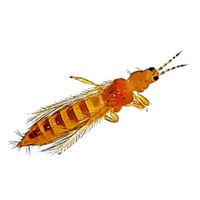
A tiny slender insect scraping plant tissue to feed, causing leaf damage, and sometimes transmitting plant viruses between crops.
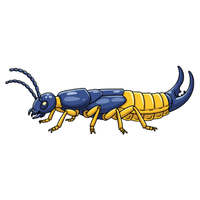
- Earwig
A slender insect with pincer-like forceps, hiding in dark places, feeding on plants or insects, and often active at night.
- Lacewing Larva
A fierce predator with sickle-shaped jaws, hunting aphids and pests, and helping provide strong natural control in gardens.
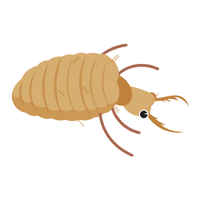
- Antlion Larva
A sand-dwelling predator digging pit traps, capturing ants, and feeding on insects before developing into delicate adult antlions.
- Caddisfly Larva
An aquatic larva building protective cases from sand or plants, living in clean water, and important for ecosystem health.
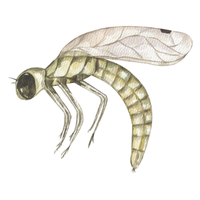
- Mayfly Nymph
An aquatic nymph with feathery gills, living in clean streams, feeding on algae, and maturing into short-lived adults.
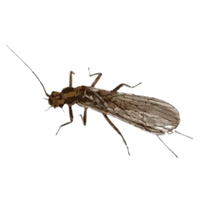
- Stonefly Nymph
An aquatic insect nymph needing clean, oxygen-rich water, crawling under stones, and serving as a key indicator of stream health.
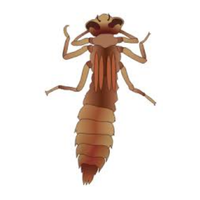
- Dragonfly Nymph
A strong aquatic predator with extendable jaws, hunting tadpoles and insects, living underwater until emerging as a flying adult.
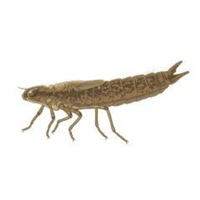
- Damselfly Nymph
A slender aquatic nymph with three tail gills, hunting small prey underwater, and developing into a graceful adult damselfly.
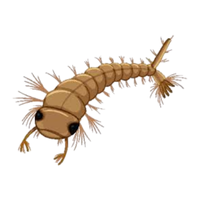
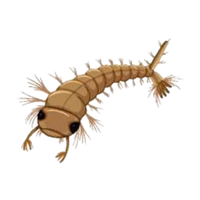
- Mosquito Larva
A wriggling aquatic larva hanging near the surface, feeding on microorganisms, and developing quickly in still or stagnant water.
- Midge Larva
A small worm-like aquatic larva living in mud or plants, feeding on debris, and forming an important food source.
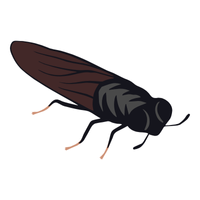
- Blackfly Larva
An aquatic larva attaching to rocks in fast streams, filtering food particles from water, and developing into biting adults.
- Housefly Larva
A pale maggot feeding on decaying organic material, growing rapidly, and later transforming into an adult housefly.
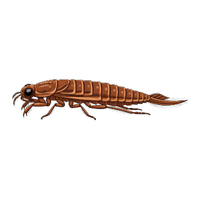
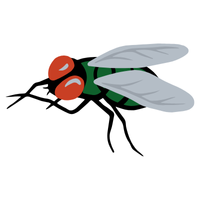
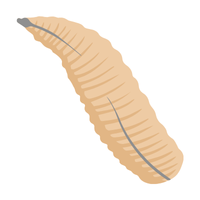
- Blowfly Larva
A fast-growing maggot feeding on decaying flesh or waste, aiding decomposition, and developing into a metallic-colored adult fly.
Most Common Insects Names with Pictures
Learn Insects Name in English
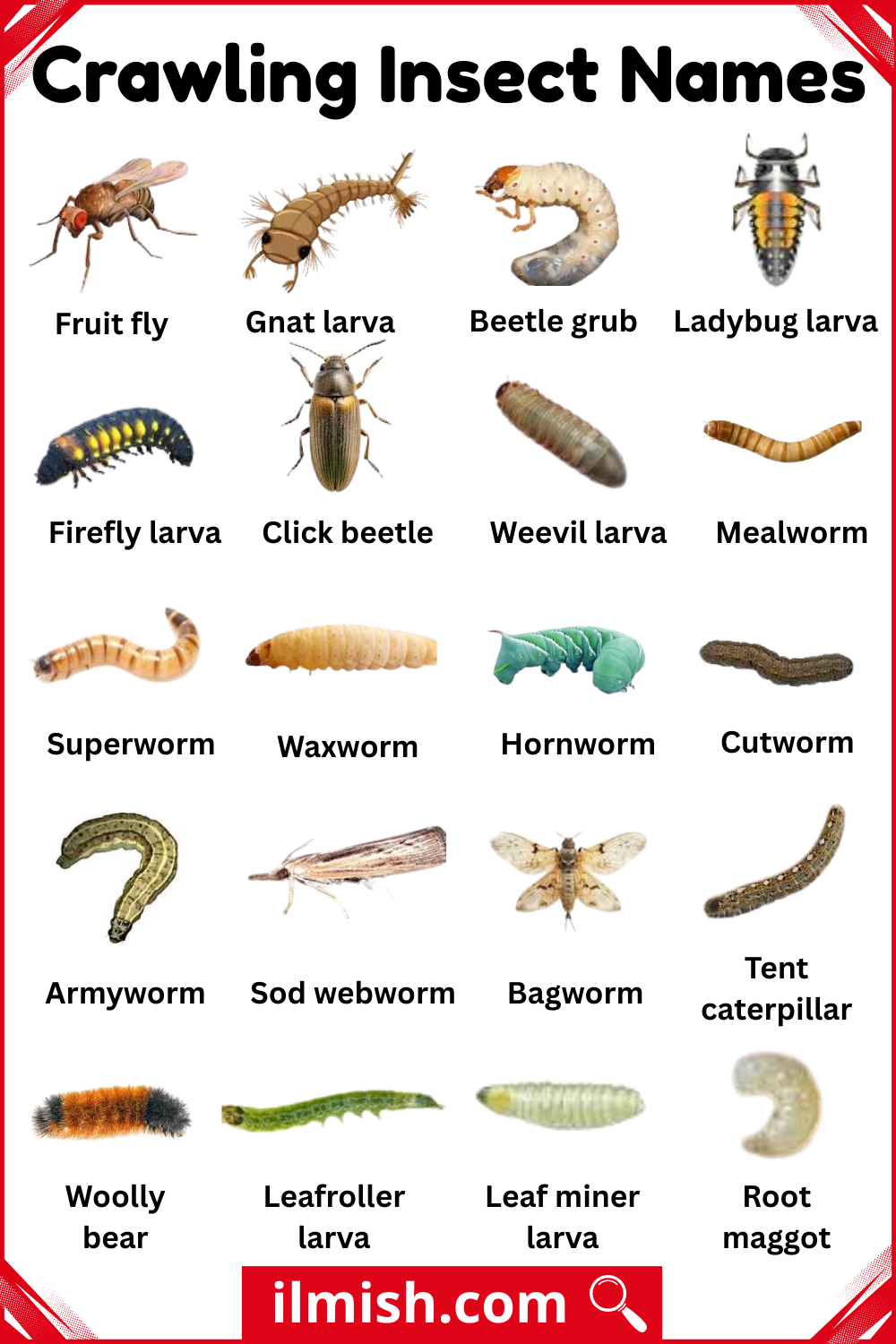
- Fruit fly larva
- Gnat larva
- Beetle grub
- Ladybug larva
- Firefly larva
- Click beetle larva
- Weevil larva
- Mealworm
- Superworm
- Waxworm
- Hornworm
- Cutworm
- Armyworm
- Sod webworm
- Bagworm
- Tent caterpillar
- Woolly bear
- Leafroller larva
- Leaf miner larva
- Root maggot
Names of Crawling Insects with Their Pictures
- Fruit Fly Larva
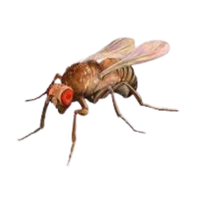
A tiny pale maggot feeding on fermenting fruits, developing quickly, and commonly found around overripe produce indoors.
- Gnat Larva
A small worm-like larva living in moist soil or decaying material, feeding on fungi and organic matter.
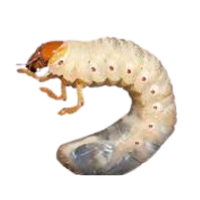
- Beetle Grub
A thick, C-shaped larva with chewing mouthparts, living in soil or wood, and feeding on roots or decaying material.
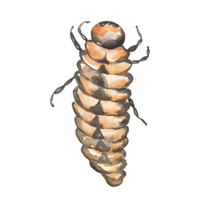
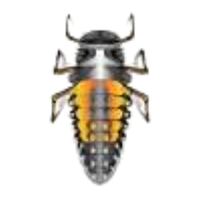
- Ladybug Larva
A spiky, alligator-shaped predator feeding heavily on aphids, protecting plants naturally, and developing into an adult ladybug.
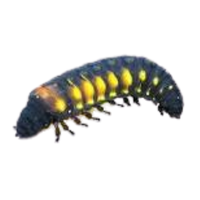
- Firefly Larva
A glowing, predatory larva living in moist areas, hunting snails or insects, and later developing into a bioluminescent adult.
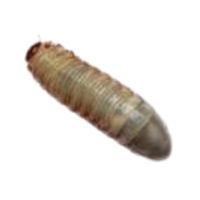
- Click Beetle Larva
A wireworm-like larva living in soil, feeding on roots or seeds, and sometimes causing significant damage to crops.
- Weevil Larva
A legless, white larva feeding inside seeds, stems, or roots, hidden from predators, and harmful to many plants.
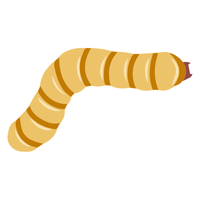
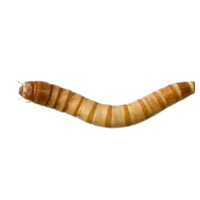
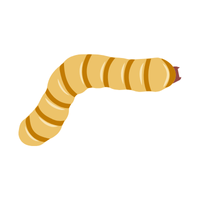
- Mealworm
A golden-brown beetle larva feeding on grains, growing in dry places, and commonly raised as food for pets.
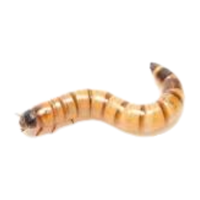
- Superworm
A large, active beetle larva eating plant material or grains, growing longer than mealworms, and often used for reptile feeding.
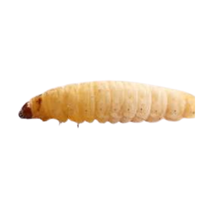
- Waxworm
A soft, pale larva feeding on beeswax or honeycomb, living in hives, and commonly used as nutritious feeder insects.
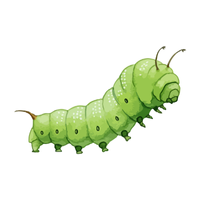
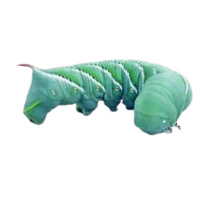
- Hornworm
A large caterpillar with a horn-like tail, feeding heavily on tomato or tobacco plants, and growing very quickly.
- Cutworm
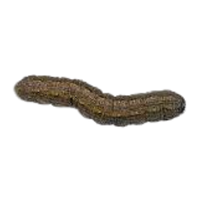
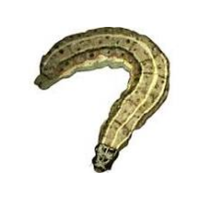
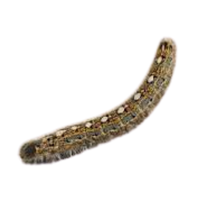
A thick caterpillar hiding in soil, cutting young seedlings at night, and causing serious damage to garden vegetables.
- Armyworm
A fast-moving caterpillar feeding in large groups, stripping leaves quickly, and often causing major crop damage during outbreaks.
- Sod Webworm
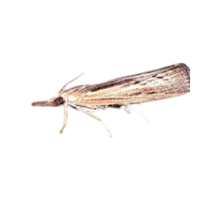
A lawn-dwelling caterpillar hiding in silk tunnels, feeding on grass blades, and creating brown patches in turf.
- Bagworm
A caterpillar living inside a protective silk bag covered with plant material, feeding on leaves, and damaging shrubs.
- Tent Caterpillar
A social caterpillar building silk tents in trees, feeding on leaves, and sometimes defoliating branches during outbreaks.
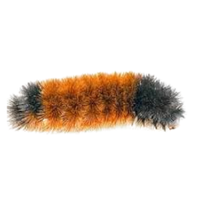
- Woolly Bear
A fuzzy, banded caterpillar feeding on various plants, known for rolling into a ball when disturbed, and overwintering.
- Leafroller Larva
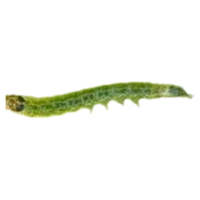
A caterpillar rolling leaves with silk for shelter, feeding inside the folded leaf, and damaging fruit trees or crops.
- Leaf Miner Larva
A tiny larva tunneling inside leaves, leaving winding trails, feeding on inner tissue, and weakening plant growth.
- Root Maggot
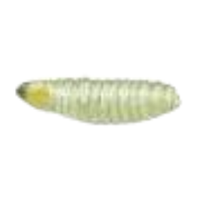
A small white larva living in soil, feeding on plant roots, stunting growth, and causing damage in vegetable gardens.
Names of Crawling Insects with Their Pictures
Explore insects Name List
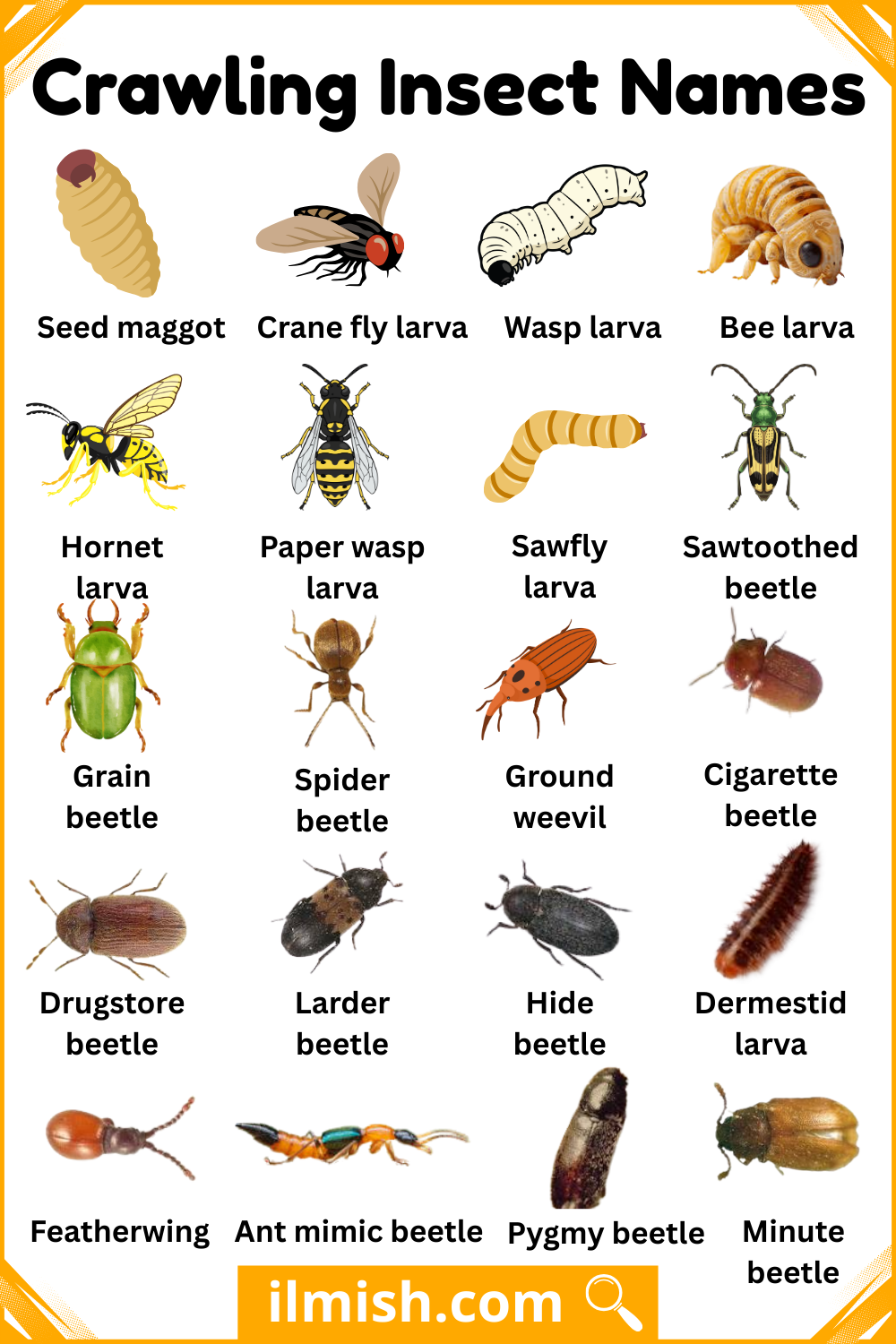
- Seed maggot
- Crane fly larva
- Wasp larva
- Bee larva
- Hornet larva
- Paper wasp larva
- Sawfly larva
- Sawtoothed beetle
- Grain beetle
- Spider beetle
- Ground weevil
- Cigarette beetle
- Drugstore beetle
- Larder beetle
- Hide beetle
- Dermestid larva
- Featherwing beetle
- Ant mimic beetle
- Pygmy beetle
- Minute beetle
20 Crawling Insects names and images
- Seed Maggot
A small white larva feeding on planted seeds, damaging sprouting crops, and commonly found in cool, moist soil.
- Crane Fly Larva
A worm-like larva living in moist soil, feeding on roots or decaying matter, sometimes harming lawns and seedlings.
- Wasp Larva
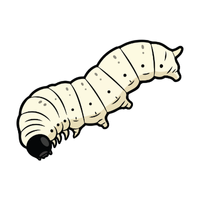
A soft, legless grub fed by adult wasps, developing inside nests, and eventually transforming into a winged adult.
- Bee Larva
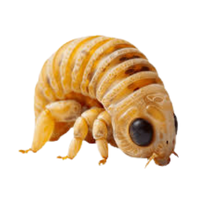
A pale, curled grub raised in wax cells, fed by worker bees, and developing into colony members.
- Hornet Larva
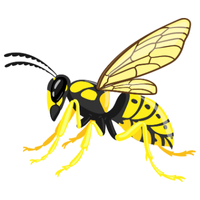
A soft-bodied larva living in paper nests, fed insects by adults, and developing into large, powerful hornets.
- Paper Wasp Larva
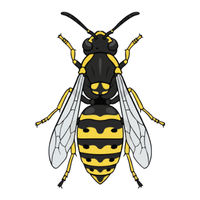
A grub raised in open paper combs, fed chewed insects by adults, and growing into slender adult wasps.
- Sawfly Larva
A caterpillar-like larva with more legs than true caterpillars, feeding on leaves, and sometimes defoliating shrubs or trees.
- Sawtoothed Beetle
A small grain beetle with saw-like edges on its body, thriving in stored foods, and infesting pantries easily.
- Grain Beetle
A tiny beetle living in stored grains, feeding on kernels or debris, and multiplying quickly in warm, dry conditions.
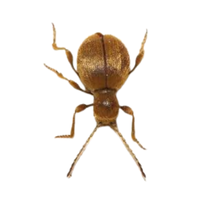
- Spider Beetle
A round, long-legged beetle resembling a spider, feeding on stored foods, and active mostly at night in dark places.
- Ground Weevil
A soil-dwelling weevil feeding on plant roots, hiding during the day, and sometimes damaging field crops or gardens.
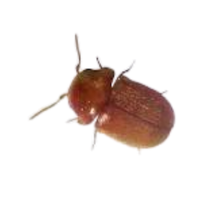
- Cigarette Beetle
A small beetle infesting dried goods, tobacco, spices, and herbs, chewing tiny holes, and contaminating stored products.
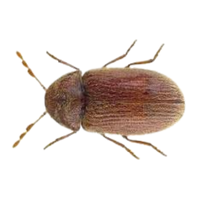
- Drugstore Beetle
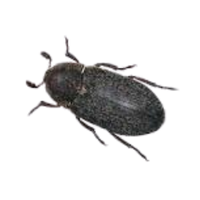
A pantry beetle feeding on dried foods, spices, medicines, and books, capable of boring into packaging easily.
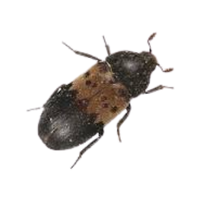
- Larder Beetle
A dark beetle attracted to stored meat, dead insects, and hides, often invading kitchens or storage areas.
- Hide Beetle
A scavenging beetle feeding on dried animal products, skins, or carcasses, commonly found in natural history collections.
- Dermestid Larva
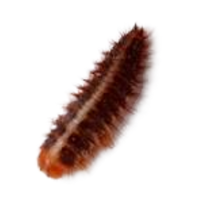
A hairy larva feeding on dried materials, skins, or stored foods, and often used professionally for cleaning bones.
- Featherwing Beetle
One of the smallest beetles, with delicate feathery wings, living in leaf litter and feeding on fungal material.
- Ant Mimic Beetle
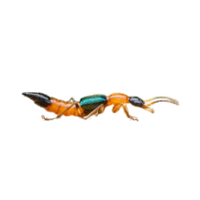
A beetle resembling ants in shape and behavior, avoiding predators, and often living near ant trails or nests.
- Pygmy Beetle
A tiny beetle living in decaying plant matter, feeding on fungi, and commonly found in damp, rotting environments.
- Minute Beetle
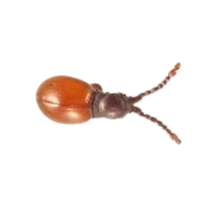
A very small beetle living in soil or leaf litter, feeding on fungi or organic debris, and rarely noticed.
20 Crawling Insects names and images
Learn more helpful articles