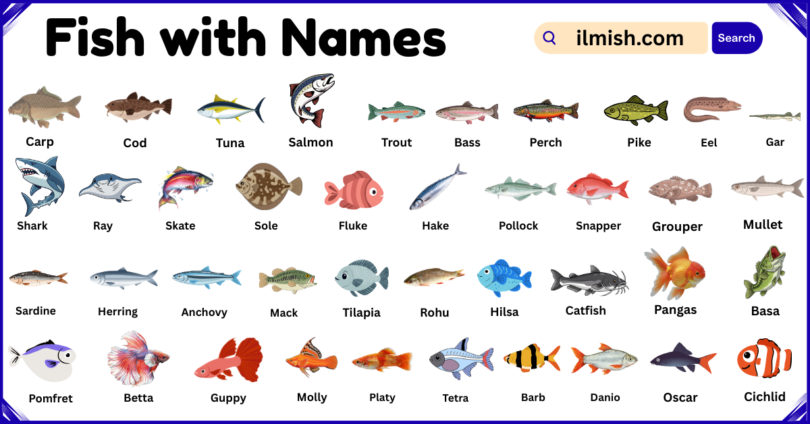

Fish are fascinating aquatic animals that live in oceans, rivers, lakes, and ponds around the world. Learning a list of fish with their names and types in English with pictures helps readers understand the wide variety of fish found in different water environments. Each type of fish has its own shape, color, and special features that make it unique. Pictures make learning easier by helping readers quickly recognize and remember each fish. In this article, you will learn different fish names and their types along with clear pictures, making it simple and enjoyable to learn about these amazing water creatures.
- Carp
- Cod
- Tuna
- Salmon
- Trout
- Bass
- Perch
- Pike
- Eel
- Gar
- Shark
- Ray
- Skate
- Sole
- Fluke
- Hake
- Pollock
- Snapper
- Grouper
- Mullet
Table of Contents
TogglePopular Types of Fish with Names and Pictures
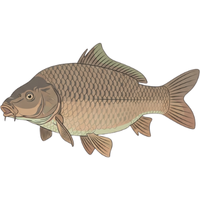
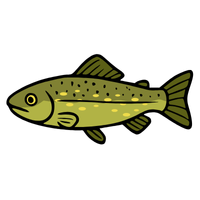
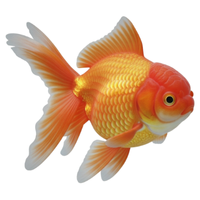
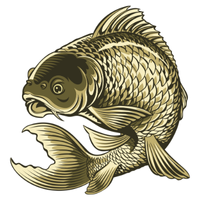
Carp
freshwater fish with thick body, common in ponds and rivers, hardy species, widely farmed for food.

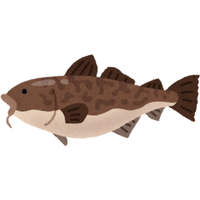
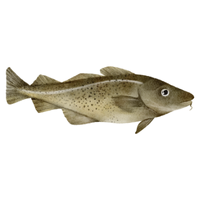
Cod
cold-water saltwater fish with white flesh, popular food fish, lives deep oceans and coastal waters.
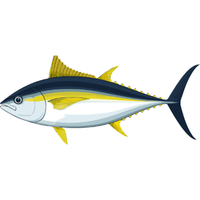
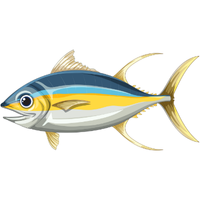
Tuna
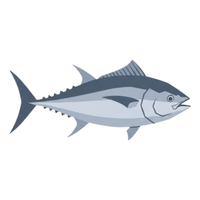
large fast-swimming ocean fish, strong muscles, migratory species, widely used in canned and fresh seafood.
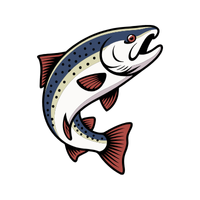
Salmon
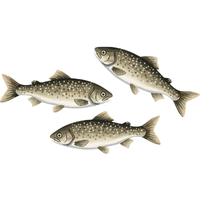
migratory fish born in rivers, lives in oceans, returns upstream to spawn naturally.
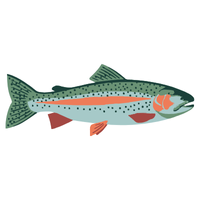
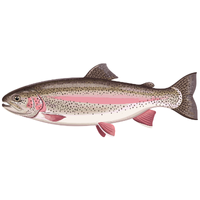
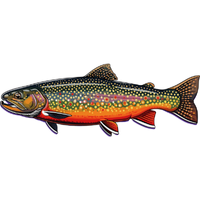
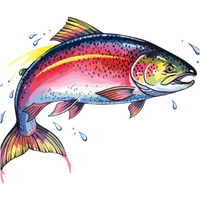
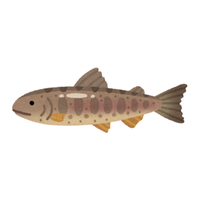
Trout
freshwater fish related to salmon, lives in cold streams, valued for sport fishing.
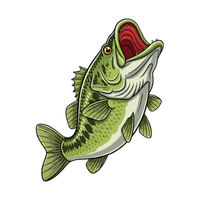
Bass
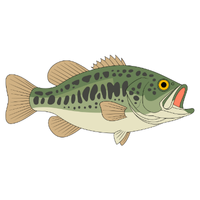
popular freshwater fish, strong fighter, common in lakes and rivers, eaten and sport-caught widely.
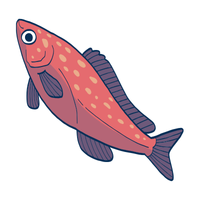
Perch
small to medium freshwater fish with spiny fins, found in lakes, rivers, and ponds.
Pike
long-bodied predatory freshwater fish, sharp teeth, fast swimmer, hunts smaller fish aggressively.
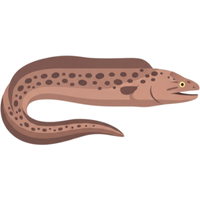
Eel
snake-like fish with long body, lives in rivers and oceans, migrates long distances to breed.
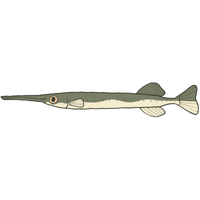
Gar
ancient-looking freshwater fish with long snout, sharp teeth, tough scales, survives low oxygen waters.
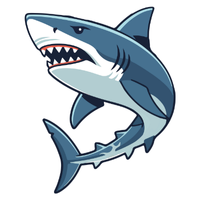
Shark
large marine predator with sharp teeth, cartilaginous skeleton, powerful swimmer, top ocean hunter species.
Ray
flat-bodied marine fish, wing-like fins, swims near seabed, some species have venomous spines.
Skate
flat ocean fish related to rays, lives on seabed, slow swimmer, feeds on small animals.
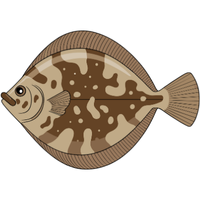
Sole
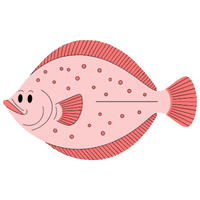
flat marine fish with both eyes on one side, lives on seabed, valued food fish.
Fluke
flatfish species, bottom-dwelling ocean fish, camouflaged body, popular seafood in coastal regions.
Hake
slender marine fish related to cod, deep-water species, commercially important for white meat.
Pollock
ocean fish related to cod, used in processed foods, lives in cold northern waters.
Snapper
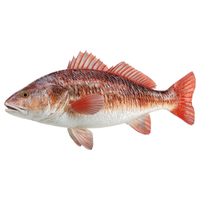
colorful marine fish with strong jaws, reef-dwelling species, popular for eating and fishing.
Grouper
large reef fish with thick body, ambush predator, lives near rocks and coral reefs.
Mullet
coastal and freshwater fish, feeds on algae and debris, swims in schools, hardy species.

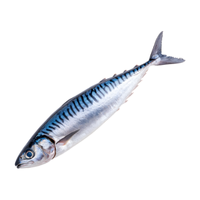
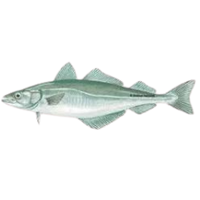
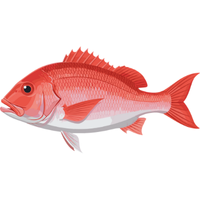
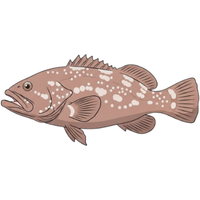
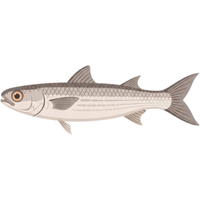

Popular Types of Fish with Names and Pictures
Popular Fish Names and Types in English
- Sardine
- Herring
- Anchovy
- Mack
- Tilapia
- Rohu
- Hilsa
- Catfish
- Pangas
- Basa
- Pomfret
- Betta
- Guppy
- Molly
- Platy
- Tetra
- Barb
- Danio
- Oscar
- Cichlid
Fish Names and Types in English with Images
Sardine
small schooling fish, lives in oceans, rich in omega-3, commonly canned for human consumption worldwide.
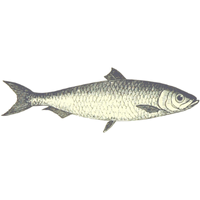
Herring
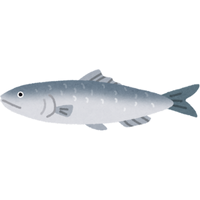
small marine fish, forms large schools, migratory species, eaten fresh, smoked, or pickled in many countries.
Anchovy
tiny saltwater fish, forms dense schools, used in sauces, pizzas, and preserved foods around the world.
Mack
short for mackerel, fast-swimming ocean fish, commonly eaten fresh or canned, high in protein and oil.
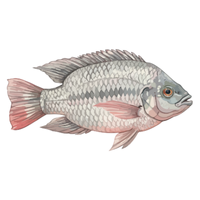
Tilapia
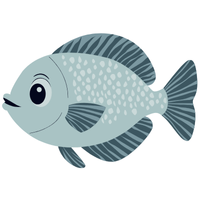
freshwater fish farmed worldwide, adaptable species, mild-tasting flesh, grows quickly in ponds and lakes efficiently.
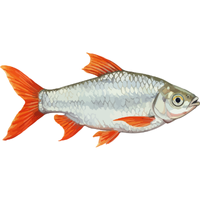
Rohu
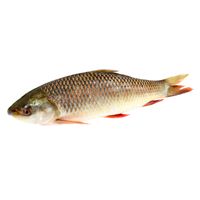
large South Asian freshwater fish, widely farmed, mild white flesh, popular in rivers and ponds cuisine.
Hilsa
migratory fish of rivers and oceans, fatty and flavorful, important food fish in South Asia.
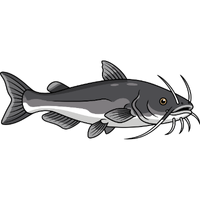
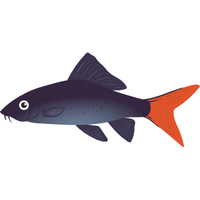
Catfish
bottom-dwelling freshwater fish with whisker-like barbels, omnivorous, widely farmed and caught for food.
Pangas
large freshwater fish, farmed for food, mild-flavored flesh, popular in Asian and global markets.
Basa
similar to pangas, farmed in freshwater, mild white flesh, exported for international consumption widely.
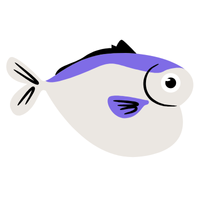
Pomfret
round-bodied saltwater fish, prized for taste, lives near coasts, popular in Asian culinary dishes.
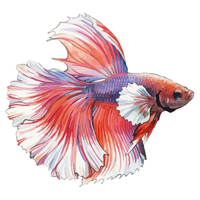
Betta
small colorful freshwater fish, often kept in aquariums, known for long fins and aggressive nature.
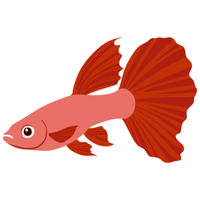
Guppy
tiny freshwater fish, colorful, easy to breed in aquariums, peaceful and hardy for beginners.
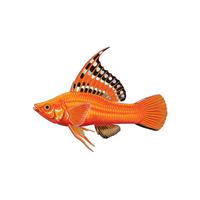
Molly
small freshwater fish, livebearer species, hardy, easy to care for, popular in home aquariums worldwide.
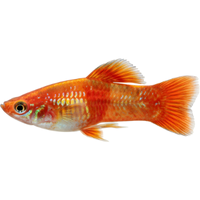
Platy
small freshwater fish, livebearer, peaceful, colorful, ideal for community aquariums, widely kept by fish enthusiasts.
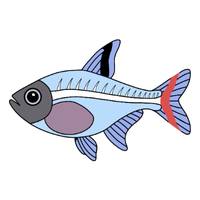
Tetra
tiny schooling freshwater fish, colorful, peaceful, prefers groups in aquariums, common beginner-friendly species.
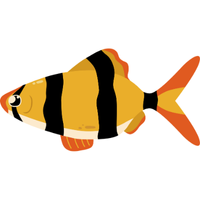
Barb
small freshwater fish, active swimmer, often kept in aquariums, sometimes slightly aggressive but hardy species.
Danio
small, fast freshwater fish, peaceful, schooling species, easy to maintain in aquariums for beginners.
Oscar
medium freshwater cichlid, intelligent, territorial, grows large, popular in aquariums, requires careful feeding and care.
Cichlid
diverse family of freshwater fish, many species colorful, territorial, found in lakes, rivers, and home aquariums.
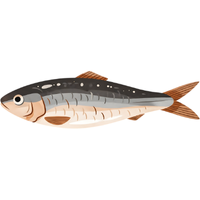
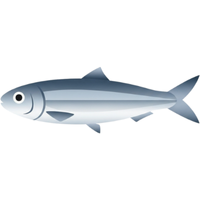
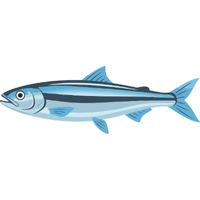
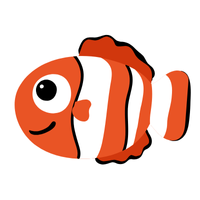

Fish Names and Types in English with Images
Unique Fish Name and Type in English
- Clown
- Angel
- Surgeon
- Parrot
- Lion
- Trigger
- Wrasse
- Damsel
- Goby
- Blenny
- Seahorse
- Pipefish
- Flying
- Mudskip
- Rockfish
- Flatfish
- Icefish
- Reef
- Deep
- Fresh
Common Types of Fish and Names with Pictures
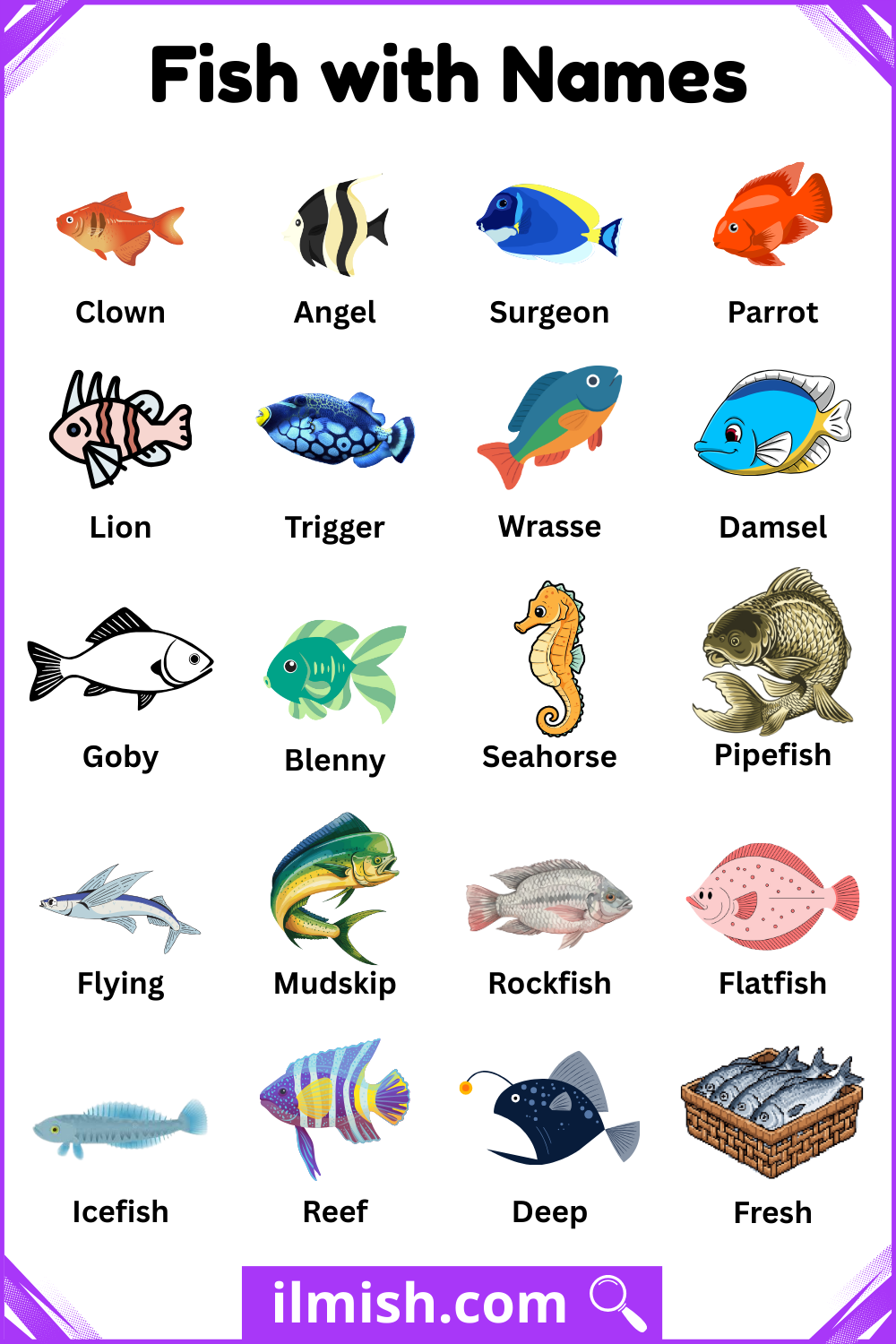
Clown
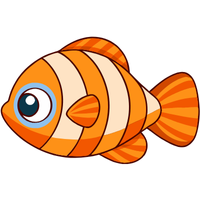
small tropical saltwater fish, bright orange and white stripes, lives in coral reefs, popular aquarium species.
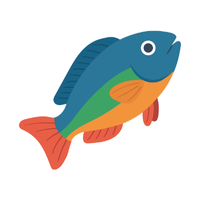
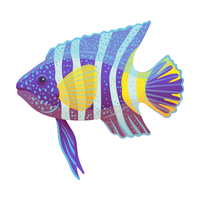
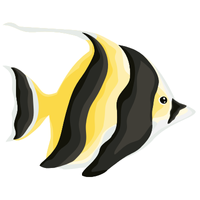
Angel
tall-bodied marine or freshwater fish, decorative, lives in reefs or aquariums, graceful swimmer, often colorful species.
Surgeon
reef fish with sharp spine near tail, herbivorous, grazes on algae, active swimmer in coral ecosystems.
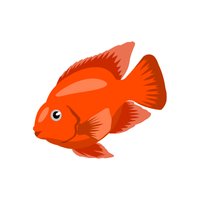
Parrot
marine fish with beak-like mouth, brightly colored, grazes on corals and algae, popular for aquariums.
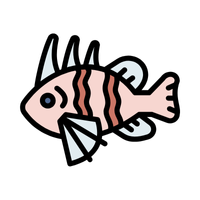
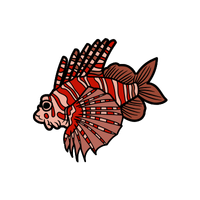
Lion
spiny venomous marine fish, slow-moving, reef-dwelling predator, colorful patterns, uses camouflage to hunt prey effectively.
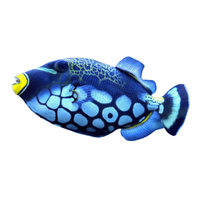
Trigger
reef fish, strong jaws, can lock fins, carnivorous, lives in coral habitats, agile hunter of small invertebrates.
Wrasse
small to medium reef fish, colorful, cleans other fish, eats parasites, lives in coral and rocky reefs.
Damsel
tiny bright reef fish, territorial, lives in coral, often kept in aquariums, peaceful but active swimmer.
Goby
small benthic fish, lives near seabed, often symbiotic with shrimp, important in reef ecosystems and aquariums.
Blenny
small reef fish, elongated body, lives in crevices, feeds on algae, helps maintain coral reef balance.
Seahorse
small marine fish, upright posture, prehensile tail, feeds on tiny crustaceans, male carries eggs during pregnancy.
Pipefish
slender marine fish, related to seahorses, swims upright, feeds on small plankton, lives in shallow waters.
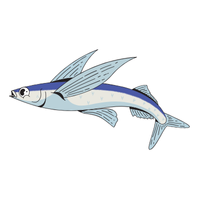
Flying
flying fish, glides above ocean surface using pectoral fins, avoids predators, migratory, found in warm seas.
Mudskip
amphibious fish, lives in intertidal mudflats, capable of walking on fins, feeds on insects and small animals.
Rockfish
reef-dwelling fish, camouflaged body, slow-moving, carnivorous, lives near rocks or coral for protection and hunting.
Flatfish
bottom-dwelling fish, both eyes on one side, camouflaged, ambush predator, lives on sandy or muddy seabeds.
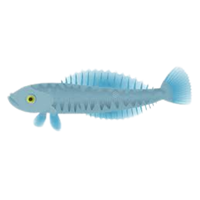
Icefish
cold-water fish, antifreeze proteins in blood, lives in Antarctic waters, adapted to extreme freezing conditions.
Reef
reef fish, small to medium, brightly colored, lives in coral reefs, contributes to ecosystem health and balance.
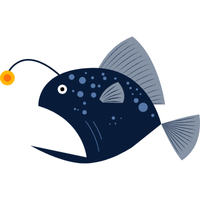
Deep
deep-sea fish, lives in low light, adapted to high pressure, often bioluminescent, carnivorous or scavenging species.
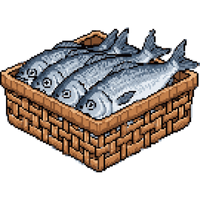
Fresh
freshwater fish, lives in rivers, lakes, or ponds, adapted to low-salinity environments, herbivorous or carnivorous.
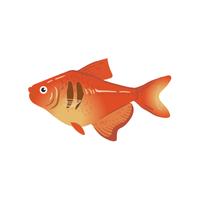
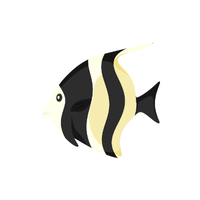
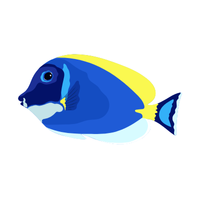
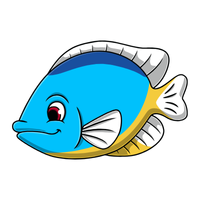
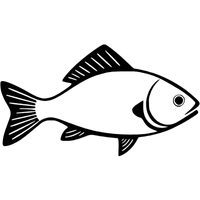
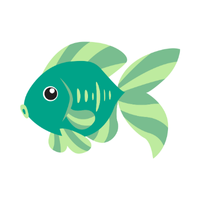
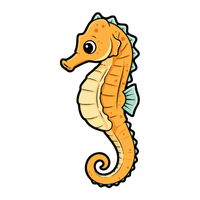
Common Types of Fish and Names with Pictures
Top Types of Fish and Name in English
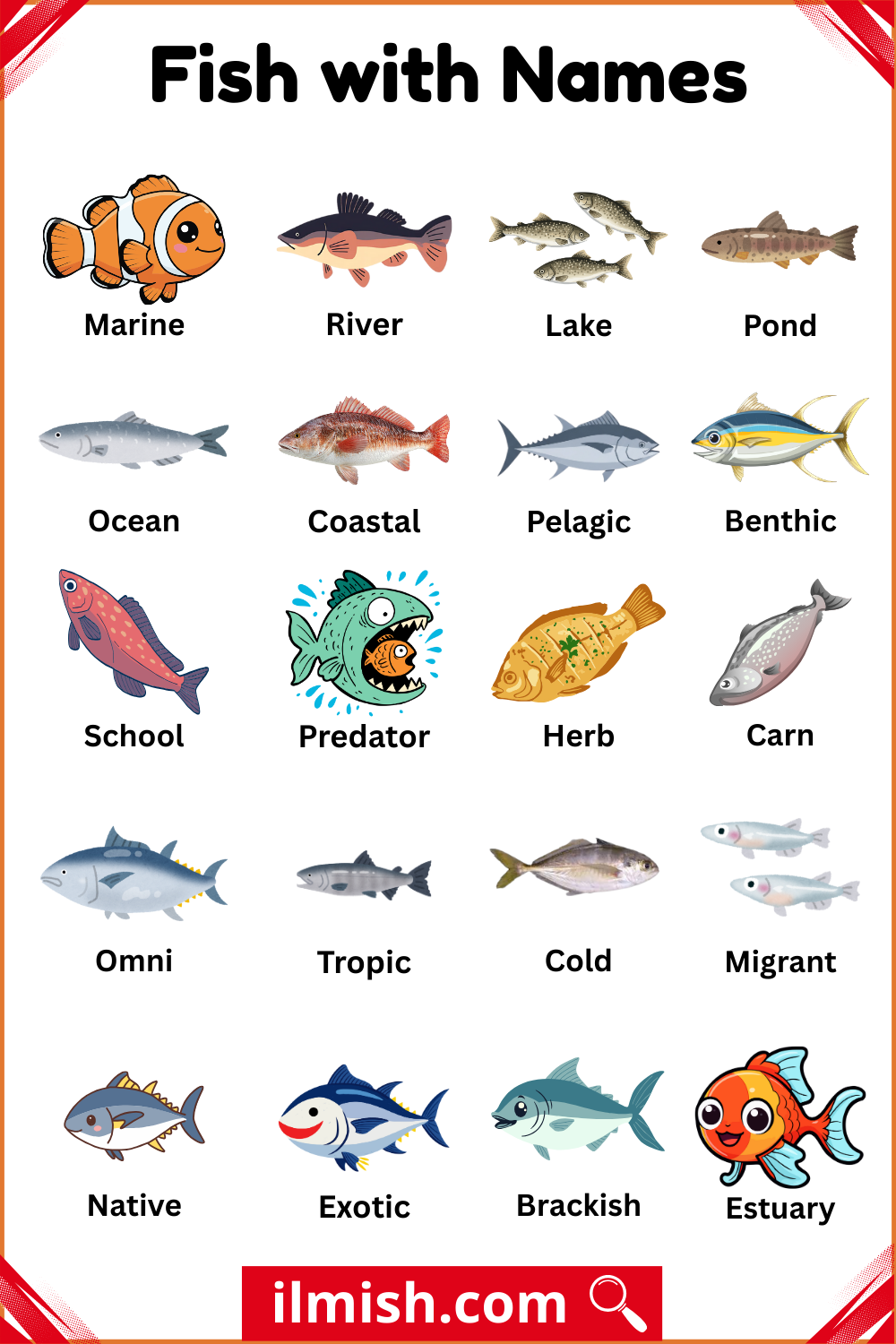
- Marine
- River
- Lake
- Pond
- Ocean
- Coastal
- Pelagic
- Benthic
- School
- Predator
- Herb
- Carn
- Omni
- Tropic
- Cold
- Migrant
- Native
- Exotic
- Brackish
- Estuary
Simple English Names and Types for Fish with Pictures
Marine
refers to saltwater fish living in oceans or seas, adapted to saline conditions, diverse in size and color.
River
fish that inhabit freshwater rivers and streams, adapted to flowing water, feed on plants, insects, or small animals.
Lake
fish living in lakes, freshwater habitats, varying sizes, feed on insects, plants, or smaller fish species efficiently.
Pond
small freshwater habitats, fish live in ponds, often farmed or ornamental, adapted to still or slow water.
Ocean
saltwater habitats, home to vast fish diversity, from tiny plankton eaters to large predatory species.
Coastal
fish living near shorelines, reefs, or estuaries, adapted to tides and human-influenced environments.
Pelagic
open-water fish living away from the seabed, often migratory, fast-swimming predators or plankton feeders.
Benthic
bottom-dwelling fish, live on or near seabed, feed on invertebrates, plants, or detritus efficiently.
School
group of fish swimming together, provides protection from predators, improves hunting success and energy efficiency.
Predator
fish that hunts and eats other fish or animals, carnivorous, fast, and highly adaptive in behavior.
Herb
herbivorous fish, feeds on aquatic plants, algae, and detritus, important for maintaining ecosystem balance.
Carn
carnivorous fish, feeds on other fish, insects, or crustaceans, strong predator with sharp teeth or jaws.
Omni
omnivorous fish, eats plants and small animals, adaptable diet, lives in various freshwater or marine habitats.
Tropic
fish living in tropical waters, brightly colored, often reef-dwelling, adapted to warm, nutrient-rich environments.
Cold
fish adapted to cold-water environments, including rivers, lakes, or oceans, survive in low temperatures efficiently.
Migrant
fish species that migrate seasonally between habitats, rivers, oceans, or lakes, often to spawn or feed.
Native
fish naturally occurring in a particular region, adapted to local environmental conditions, important for ecological balance.
Exotic
non-native fish introduced to new habitats, may be ornamental, invasive, or farmed species.
Brackish
fish living in water with mixed salt and freshwater, such as estuaries, rivers, or coastal lagoons.
Estuary
fish living in estuaries, areas where rivers meet the sea, adapted to fluctuating salinity and habitats.

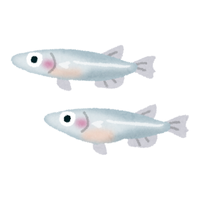
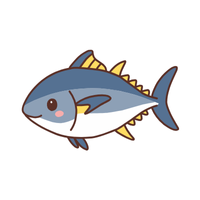
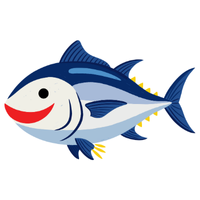
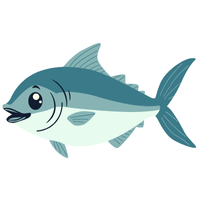
Simple English Names and Types for Fish with Pictures
English Name of Fish with Type
- Fry
- Spawn
- Gill
- Fin
- Scale
- Tail
- Jaw
- Swim
- Shoal
- Drift
- Current
- Tide
- Coral
- Algae
- Plankton
- Kelp
- Roe
- Larva
- Smolt
- Fingerling
Names And Types of Fish with Pictures
Fry
newly hatched fish, small and fragile, feed on plankton, grow rapidly in protected nursery habitats.
Spawn
fish reproduction process, eggs are released and fertilized externally, critical for population sustainability.
Gill
respiratory organ of fish, extracts oxygen from water, essential for survival in aquatic environments.
Fin
appendages used for swimming, steering, balance, and propulsion, vary in size and type across fish species.
Scale
protective covering on fish skin, reduces water friction, prevents injury, and protects from parasites.
Tail
rear appendage of fish, helps in propulsion, steering, and maneuvering in water efficiently.
Jaw
mouth structure of fish, holds teeth, helps capture, chew, or grind food effectively.
Swim
movement of fish through water, coordinated with fins and tail, essential for feeding, escape, and migration.
Shoal
group of fish swimming together loosely, social behavior for protection and coordinated movement.
Drift
movement of fish or eggs with currents, important for dispersal, feeding, and migration.
Current
flow of water in rivers or oceans, affects fish movement, migration, and feeding behavior.
Tide
periodic rise and fall of sea level, influences coastal fish feeding, spawning, and habitat access.
Coral
reef-dwelling fish live among corals, depend on coral structures for shelter, feeding, and reproduction.
Algae
primary food source for herbivorous fish, grows in freshwater and marine environments, supports ecosystem balance.
Plankton
tiny drifting organisms, essential food source for many small fish and fry in aquatic ecosystems.
Kelp
large marine algae, provides shelter and food for fish, forms underwater forests in coastal regions.
Roe
fish eggs, harvested as food, also important for reproduction and population maintenance.
Larva
early life stage of fish, usually planktonic, undergoes development before becoming juvenile fish.
Smolt
young salmon adapting from freshwater to saltwater, prepares for ocean life and long migrations.
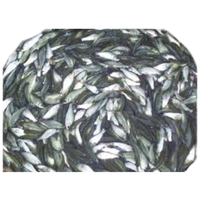
Fingerling
juvenile fish, larger than fry, capable of feeding independently, often used in aquaculture or stocking programs.

Names And Types of Fish with Pictures