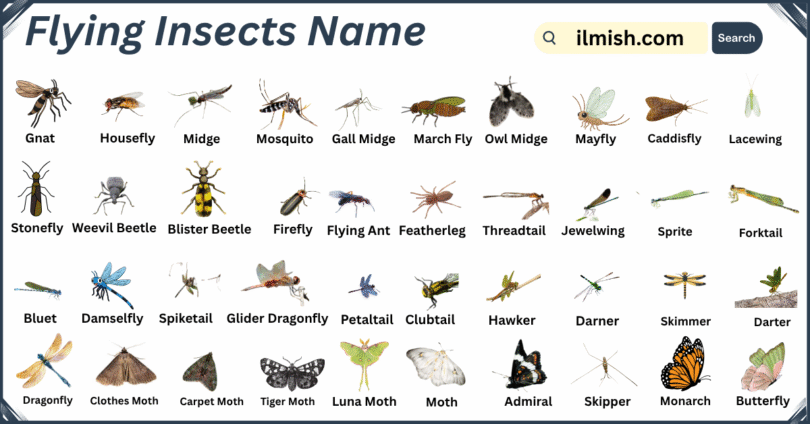

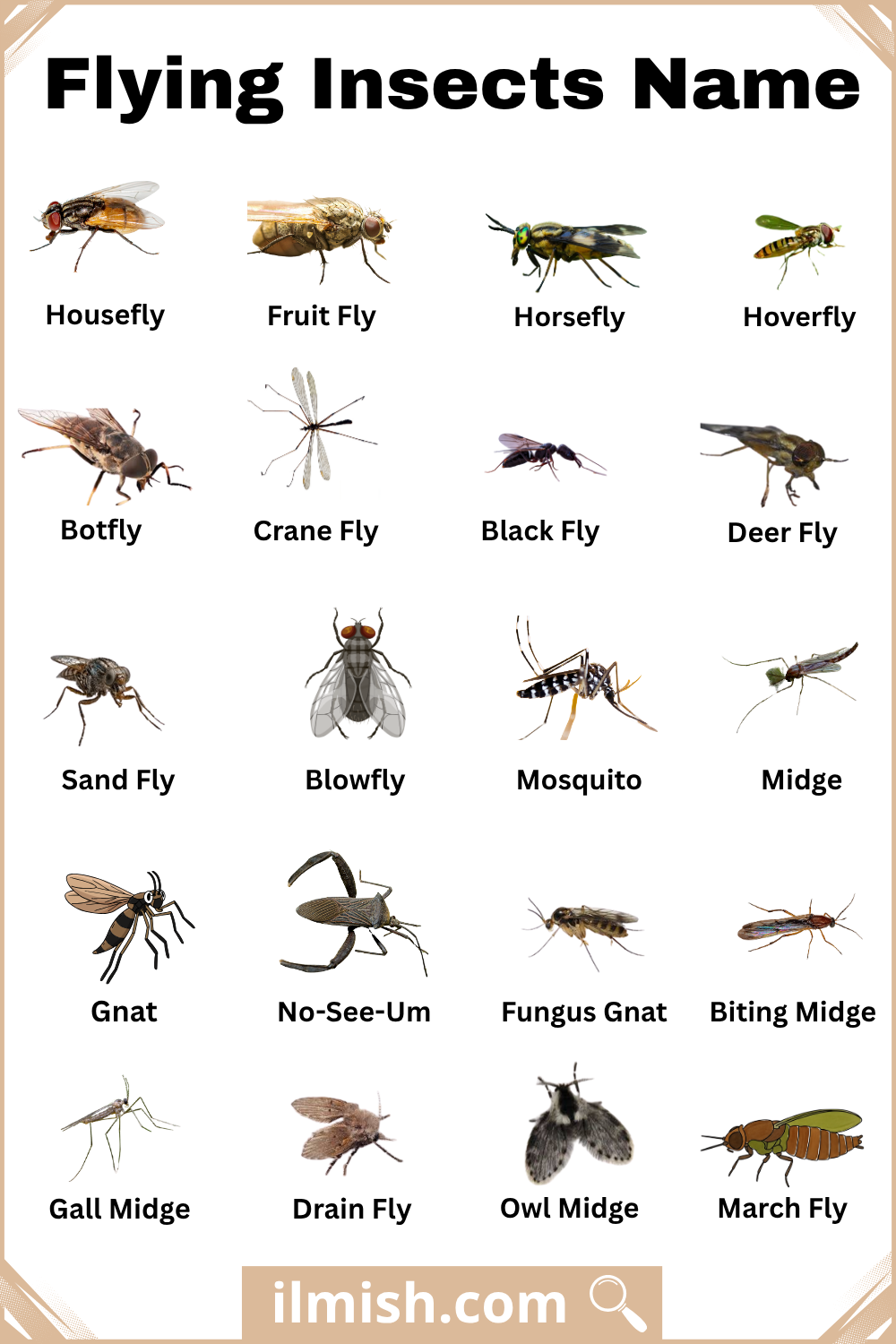
20 Types of Flying Insects Names in English
- Housefly
- Fruit Fly
- Horsefly
- Hoverfly
- Botfly
- Crane Fly
- Black Fly
- Deer Fly
- Sand Fly
- Blowfly
- Mosquito
- Midge
- Gnat
- No-See-Um
- Fungus Gnat
- Biting Midge
- Gall Midge
- Drain Fly
- Owl Midge
- March Fly
Common Flying Insects Names in English with Pictures
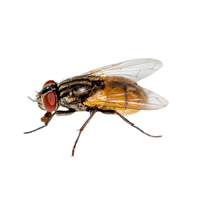
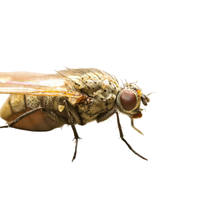
- Housefly
A common indoor fly that feeds on leftover food and waste, often carrying germs from one place to another.

- Fruit Fly
A tiny fly attracted to ripe or spoiled fruits, quickly multiplying around kitchens and garbage areas.
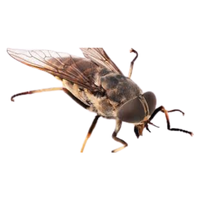
- Horsefly
A large fly with strong wings that gives painful bites and feeds on the blood of animals and humans.
- Hoverfly
A harmless insect that looks like a bee and hovers in one spot while drinking nectar from flowers.
- Botfly
A fly whose larvae grow inside animals, using their bodies as protection until fully developed.
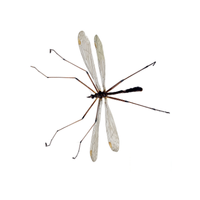
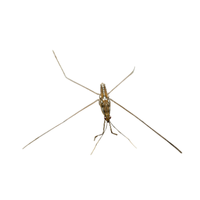
- Crane Fly
A long-legged, delicate fly that looks like a giant mosquito but does not bite and prefers moist places.
- Black Fly
A small dark fly found near rivers and streams, known for biting and feeding on blood outdoors.
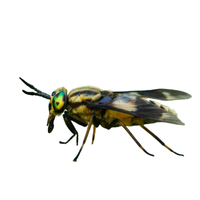
- Deer Fly
A fast-moving fly with patterned wings that bites during warm weather and follows animals or humans.
- Sand Fly
A tiny fly living in sandy or dusty areas, giving itchy bites and active mostly during cooler hours.
- Blowfly
A metallic-colored fly attracted to decaying things, helping nature clean waste by laying eggs on dead matter.
- Mosquito
A small flying insect that sucks blood with a thin tube-like mouth and often spreads diseases.
- Midge
A tiny fly found near water bodies, forming clouds and sometimes biting exposed skin.
- Gnat
A very small fly that follows moisture and light, sometimes forming swarms and lightly biting people.
- No-See-Um
A nearly invisible biting midge that causes itchy red spots and lives in humid coastal areas.
- Fungus Gnat
A small fly living around damp soil and houseplants, feeding on fungi and sometimes harming roots.
- Biting Midge
A small fly with sharp mouthparts that gives painful bites and stays near marshy or wet places.
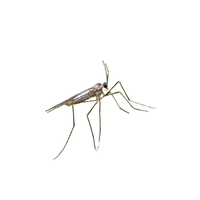
- Gall Midge
A tiny fly that causes plants to form galls, where its larvae safely grow inside.
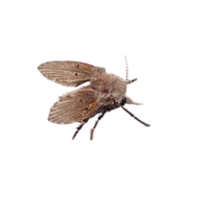
- Drain Fly
A fuzzy, moth-like fly living around sinks and drains, breeding in moist buildup inside pipes.
- Owl Midge
A small patterned-wing fly often found in bathrooms and damp places, resting quietly on walls.
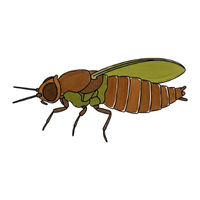
- March Fly
A seasonal fly appearing in warm months, gathering in groups and sometimes biting when disturbed.

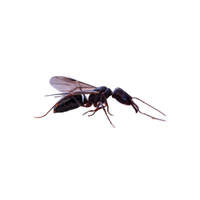

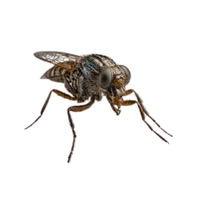

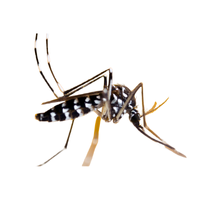
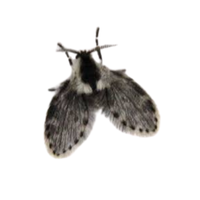
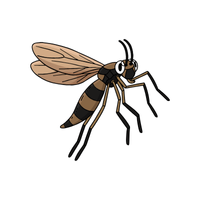
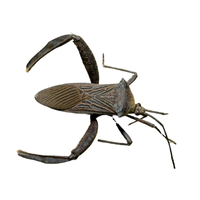
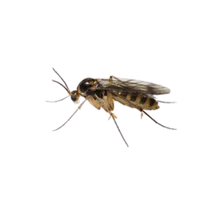
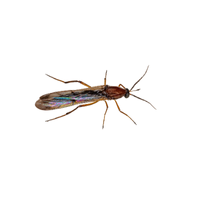
Common Flying Insects Names in English with Pictures
Most Popular Flying Insects Names in English
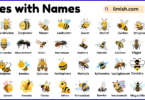
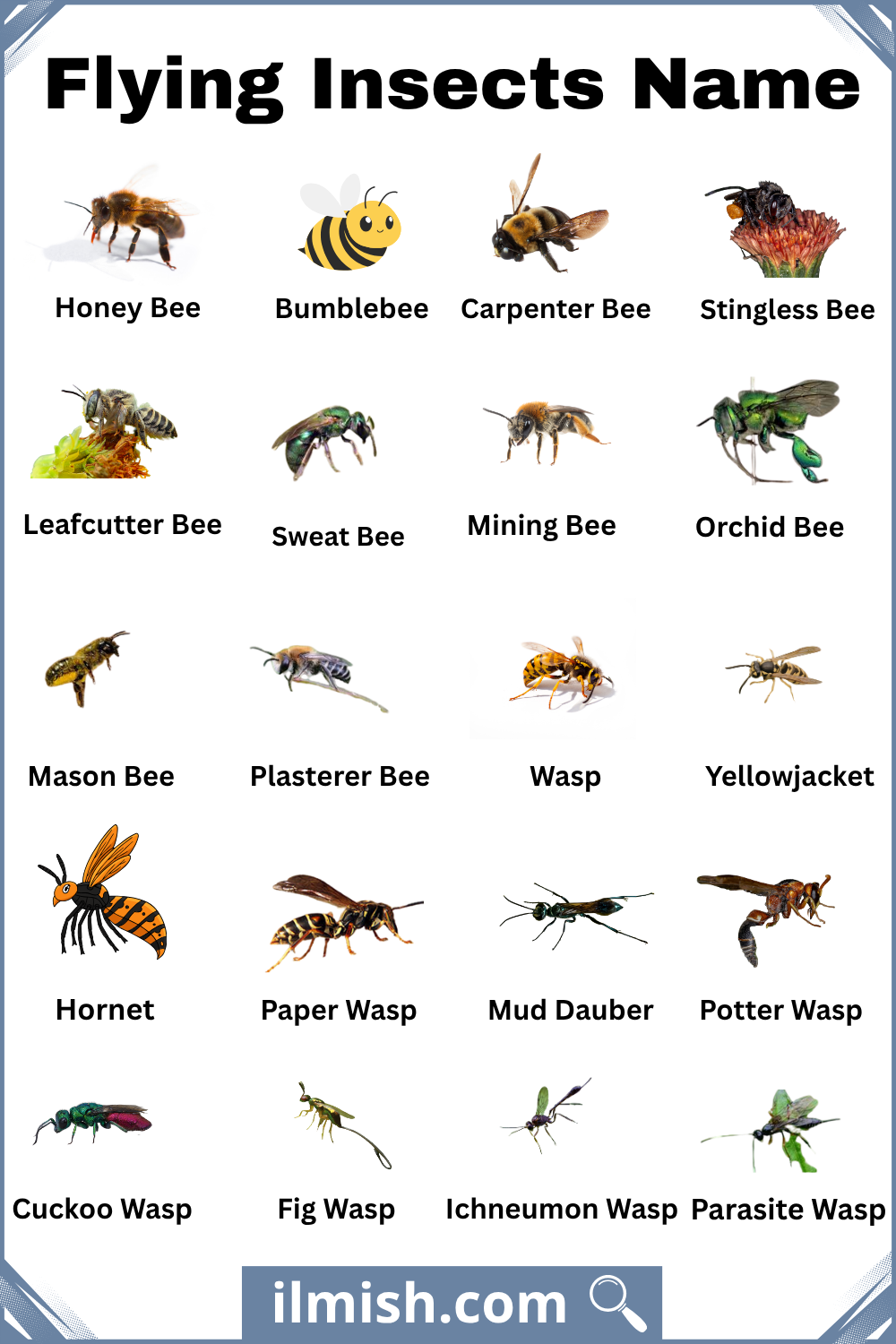
- Honey Bee
- Bumblebee
- Carpenter Bee
- Stingless Bee
- Leafcutter Bee
- Sweat Bee
- Mining Bee
- Orchid Bee
- Mason Bee
- Plasterer Bee
- Wasp
- Yellowjacket
- Hornet
- Paper Wasp
- Mud Dauber
- Potter Wasp
- Cuckoo Wasp
- Fig Wasp
- Ichneumon Wasp
- Parasite Wasp
English Names of Small Flying Insects with Images
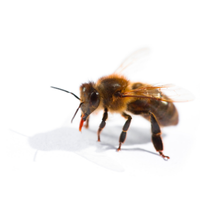
- Honey Bee
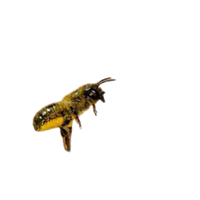
A hardworking bee that collects nectar, makes honey, and lives in organized colonies with a queen, workers, and drones.
- Bumblebee
A large, fuzzy bee that gently gathers nectar and pollen, helping flowers grow through strong and effective pollination.
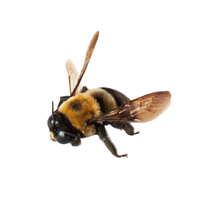
- Carpenter Bee
A big bee that makes round holes in wood to build nests, usually harmless and helpful for plant pollination.
- Stingless Bee
A small tropical bee that cannot sting, living in colonies and producing sweet, medicinal honey in hidden nests.
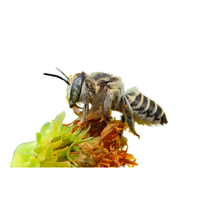
- Leafcutter Bee
A solitary bee that cuts round pieces of leaves to build nest cells where it stores pollen for its young.
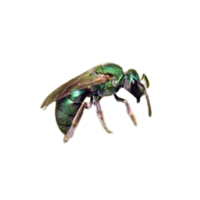
- Sweat Bee
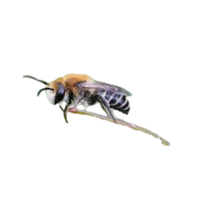
A tiny bee attracted to human sweat for moisture, living in the ground and playing an important role in pollination.
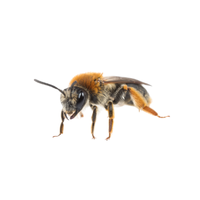
- Mining Bee
A gentle bee that digs small tunnels in soil to lay eggs and collects pollen from early spring flowers.
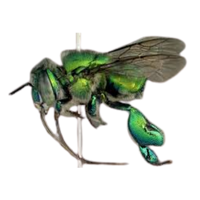
- Orchid Bee
A brightly colored bee that gathers perfume-like scents from orchids, flying long distances through tropical forests.
- Mason Bee
A solitary bee that uses mud to seal nest cells, known for being one of the most efficient pollinators.
- Plasterer Bee
A bee that lines its nest walls with a smooth, silky substance, giving the inside a polished and waterproof finish.
- Wasp
A slender, fast insect with a stinger, feeding on other pests and building paper-like nests in various places.
- Yellowjacket
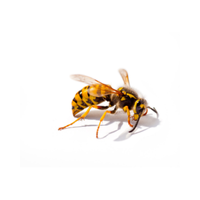
A bold wasp with yellow and black stripes, defending its nest strongly and searching for food in warm seasons.
- Hornet
A large wasp species that builds big paper nests, protects its colony fiercely, and hunts insects for food.
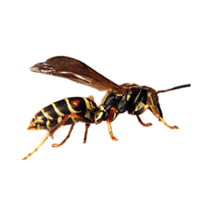
- Paper Wasp
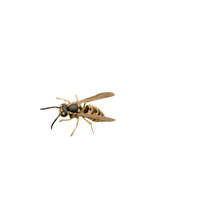
A thin wasp that creates open paper nests under roofs and branches, feeding caterpillars to its young.
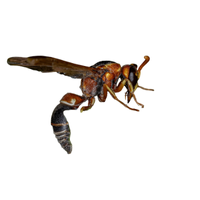
- Mud Dauber
A solitary wasp that builds smooth mud tubes on walls and stores spiders inside for its developing larvae.
- Potter Wasp
A small wasp that makes tiny pot-shaped mud nests and places paralyzed insects inside as food for its young.
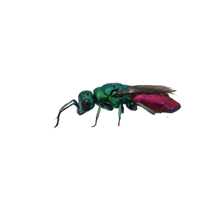
- Cuckoo Wasp
A shiny, jewel-like wasp that lays its eggs in other insects’ nests, letting its young feed on stored food.
- Fig Wasp
A tiny wasp that lives inside figs, pollinating the fruit while completing its entire life cycle within the fig.
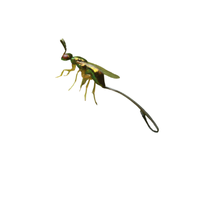
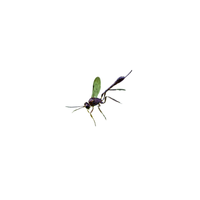
- Ichneumon Wasp
A slender wasp with a long ovipositor used to lay eggs inside pests hidden in wood, soil, or plant stems.
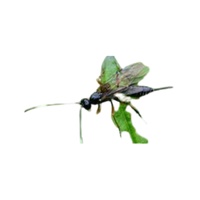
- Parasite Wasp
A very small wasp that lays eggs in or on pest insects, naturally controlling their populations without harming plants.


English Names of Small Flying Insects with Images
List of Flying Insects Name in English
- Butterfly
- Swallowtail
- Monarch
- Blue Morpho
- Painted Lady
- Skipper
- Cabbage White
- Admiral
- Copper Butterfly
- Hairstreak
- Moth
- Silk Moth
- Hawk Moth
- Luna Moth
- Tiger Moth
- Sphinx Moth
- Webworm Moth
- Gypsy Moth
- Carpet Moth
- Clothes Moth
Simple English Names for Flying Insects with Pictures
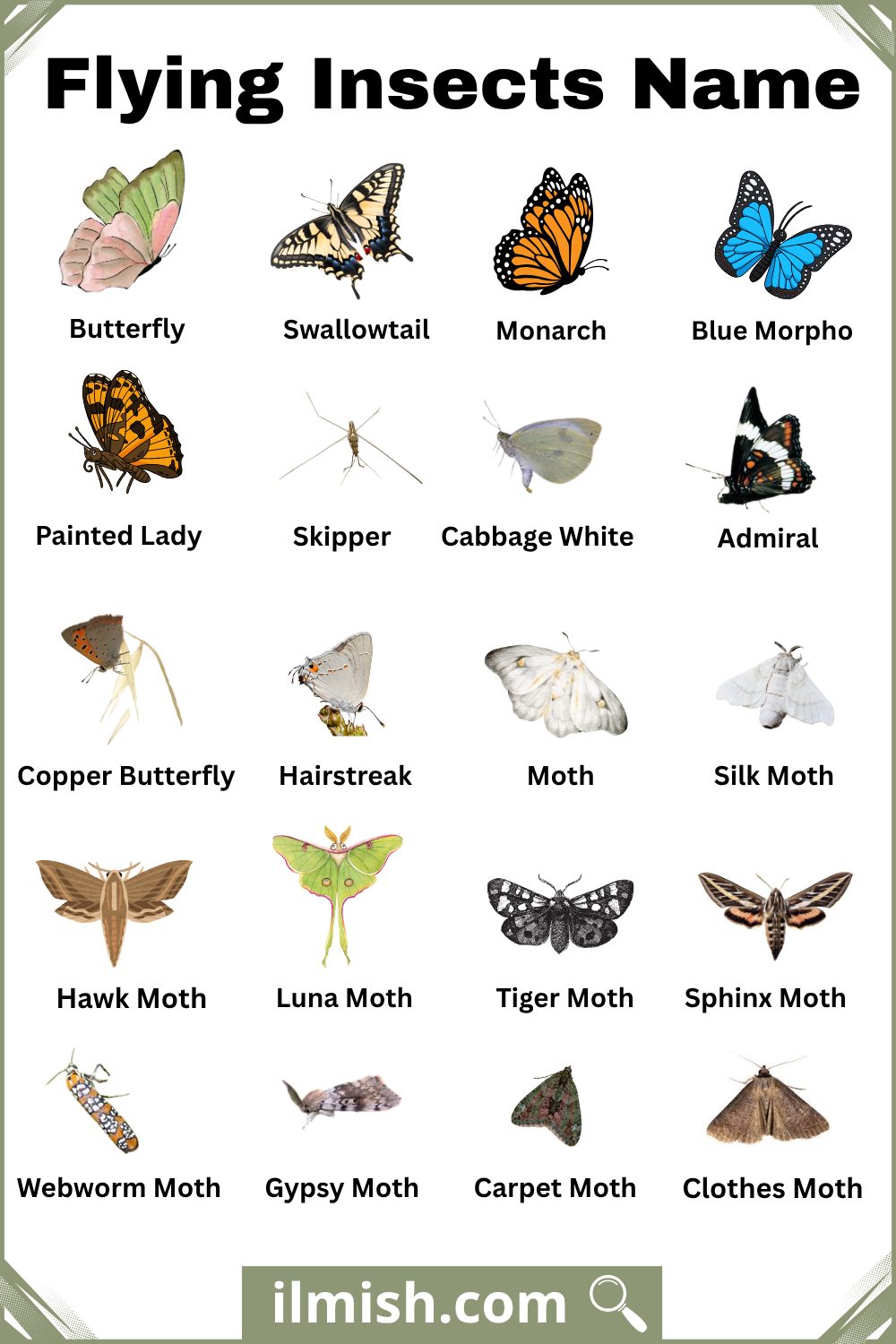
- Butterfly
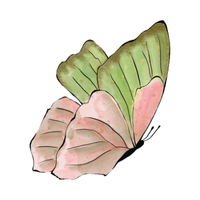
A colorful flying insect with large wings, feeding on flower nectar and playing an important role in pollinating many garden plants.
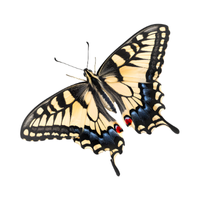
- Swallowtail
A large butterfly with tail-like wing extensions, known for bright patterns and graceful flight around sunny gardens and fields.
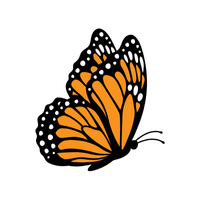
- Monarch
An orange-and-black butterfly famous for long migrations, feeding on milkweed and using its toxins for natural protection.
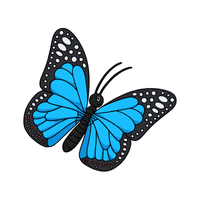
- Blue Morpho
A tropical butterfly with glowing blue wings that flashes color while flying through forest sunlight.
- Painted Lady
A widely found butterfly with orange patterns, migrating across long distances and visiting many kinds of flowering plants.
- Skipper
A small butterfly with quick, darting movements, having thick bodies and hook-shaped antennae.
- Cabbage White
A common white butterfly whose caterpillars often feed on cabbage plants and other leafy vegetables.
- Admiral
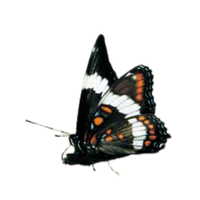
A striking butterfly with bold wing stripes, visiting gardens and forests while feeding on nectar-rich flowers.
- Copper Butterfly
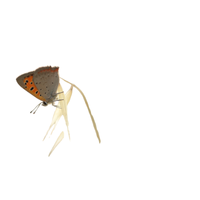
A small butterfly with bright copper-colored wings, usually found in sunny open areas like meadows and fields.
- Hairstreak
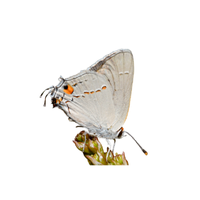
A delicate butterfly with thin tail-like lines on its wings, often resting with wings closed on leaves.
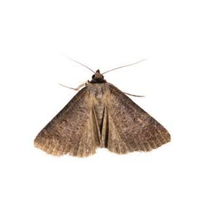
- Moth
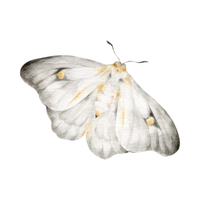
A night-active insect with soft wings, attracted to light and feeding on nectar or natural fibers depending on the species.
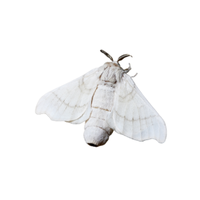
- Silk Moth
A moth whose caterpillar makes strong silk threads, historically used in producing fine natural fabric.
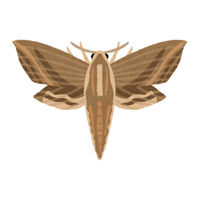
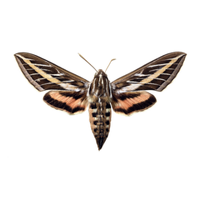
- Hawk Moth
A fast, powerful moth that hovers like a hummingbird while drinking nectar from deep flowers.
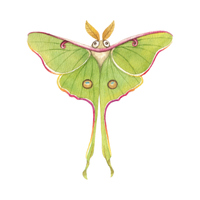
- Luna Moth
A large green moth with long tails on its wings, flying at night and living only a short adult life.
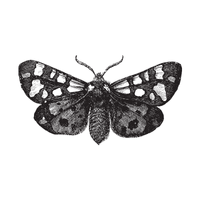
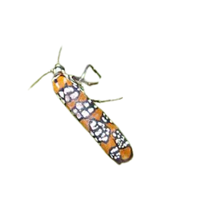
- Tiger Moth
A brightly patterned moth with bold colors, whose caterpillars are often known as woolly bears.
- Sphinx Moth
A strong moth with pointed wings and fast flight, able to hover steadily while feeding from blooms.
- Webworm Moth
A moth whose larvae create silky webs on trees, feeding together inside protective shelters.
- Gypsy Moth
A moth with caterpillars that feed heavily on tree leaves, affecting forests during population peaks.
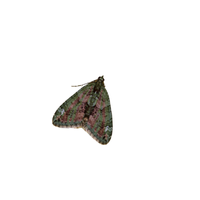
- Carpet Moth
A small household moth whose larvae feed on wool carpets, leaving small worn patches.
- Clothes Moth
A tiny indoor moth whose larvae eat natural fibers like wool, silk, or fur, damaging stored clothing.



Simple English Names for Flying Insects with Pictures
Popular Flying Insects Names in English
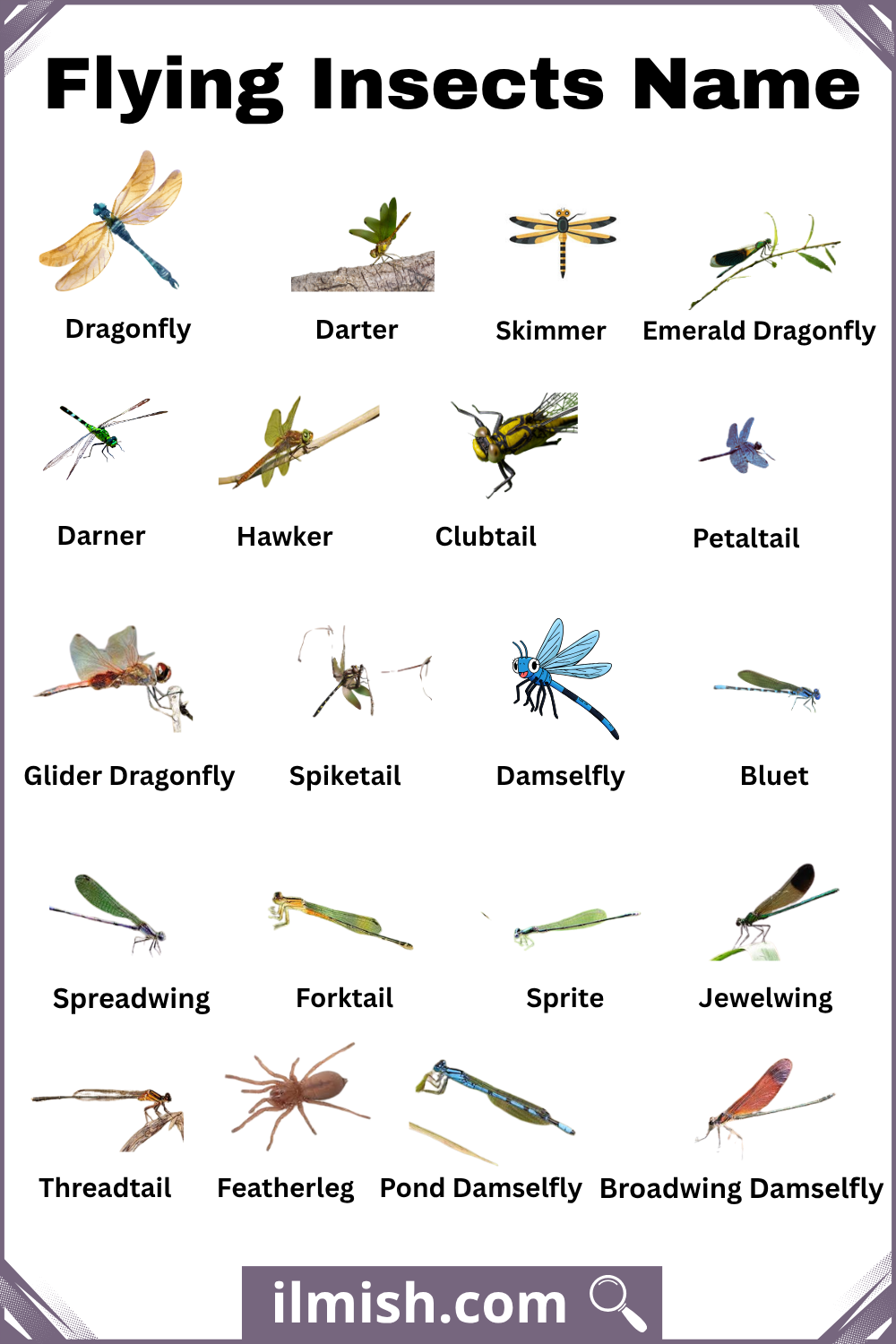
- Dragonfly
- Darter
- Skimmer
- Emerald Dragonfly
- Darner
- Hawker
- Clubtail
- Petaltail
- Glider Dragonfly
- Spiketail
- Damselfly
- Bluet
- Spreadwing
- Forktail
- Sprite
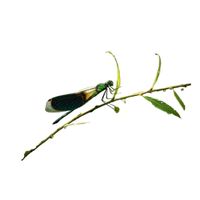
- Jewelwing
- Threadtail
- Featherleg
- Pond Damselfly
- Broadwing Damselfly
Name of Flying Insects with Their Picture
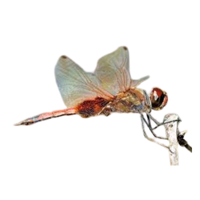
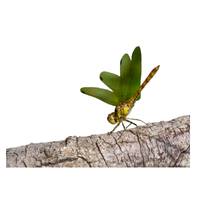
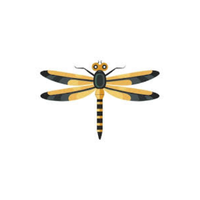
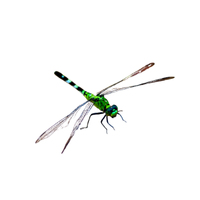
- Dragonfly
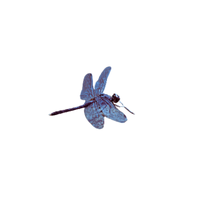
A fast, strong flying insect with large eyes and two pairs of wings, hunting mosquitoes and small insects near water.
- Darter
A slim dragonfly that quickly darts in straight lines, catching tiny insects while flying close to ponds and grassy areas.
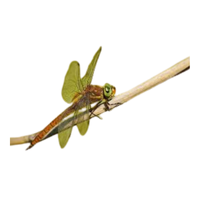
- Skimmer
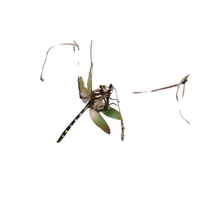
A common dragonfly that glides low over water surfaces, resting often on twigs and returning to the same spot.
- Emerald Dragonfly
A bright green dragonfly with shining eyes, flying rapidly along forest edges and clean streams.
- Darner
A large dragonfly with a long body that patrols territories, chasing intruders and catching insects mid-air.
- Hawker
A powerful dragonfly that stays in continuous flight, searching for insects and covering long distances without resting.
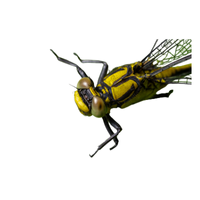
- Clubtail
A dragonfly with a thickened tail tip, usually seen near rivers and sandy banks where it lays its eggs.
- Petaltail
An ancient dragonfly with a very long tail-like abdomen, living in clean habitats and rarely seen due to its limited range.
- Glider Dragonfly
A lightweight dragonfly that rides warm winds, traveling far distances and sometimes migrating in large groups.
- Spiketail
A dragonfly with a sharp, pointed tail end, flying along small streams where its larvae grow underwater.
- Damselfly
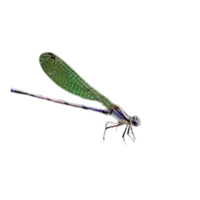
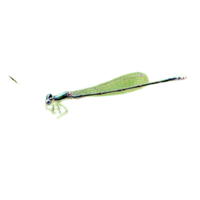
A slender, delicate insect similar to a dragonfly but folding its wings when resting and flying lightly above plants.
- Bluet
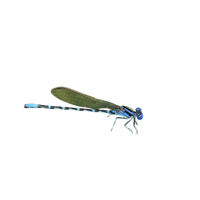
A small blue damselfly often found near ponds, resting on thin stems and gently hovering over vegetation.
- Spreadwing
A damselfly that keeps its wings partly open while resting, choosing grassy wetlands and quiet marshes.
- Forktail
A tiny damselfly with a fork-shaped tail tip, commonly seen near shallow water and sunny plant edges.
- Sprite
A very small, graceful damselfly that moves lightly among reeds and prefers calm waters.
- Jewelwing
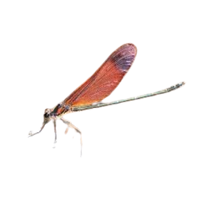
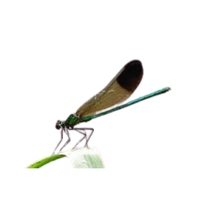
A damselfly with shiny, metallic wings and body, slowly fluttering along shaded forest streams.
- Threadtail
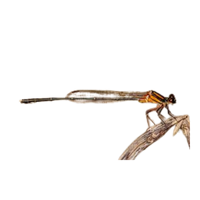
A damselfly with an extremely thin, thread-like abdomen, flying low around streams and narrow water channels.
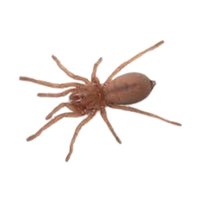
- Featherleg
A damselfly with feather-like hairs on its legs, giving a soft appearance while resting on tall grasses.
- Pond Damselfly
A common damselfly living around ponds and slow water, gently flying over floating plants to find mates.
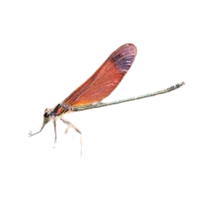
- Broadwing Damselfly
A damselfly with wide wings and slow flight, staying in shady areas near rivers and forest edges.


Names of Flying Insects with Their Pictures
Easy Insects Names with Examples
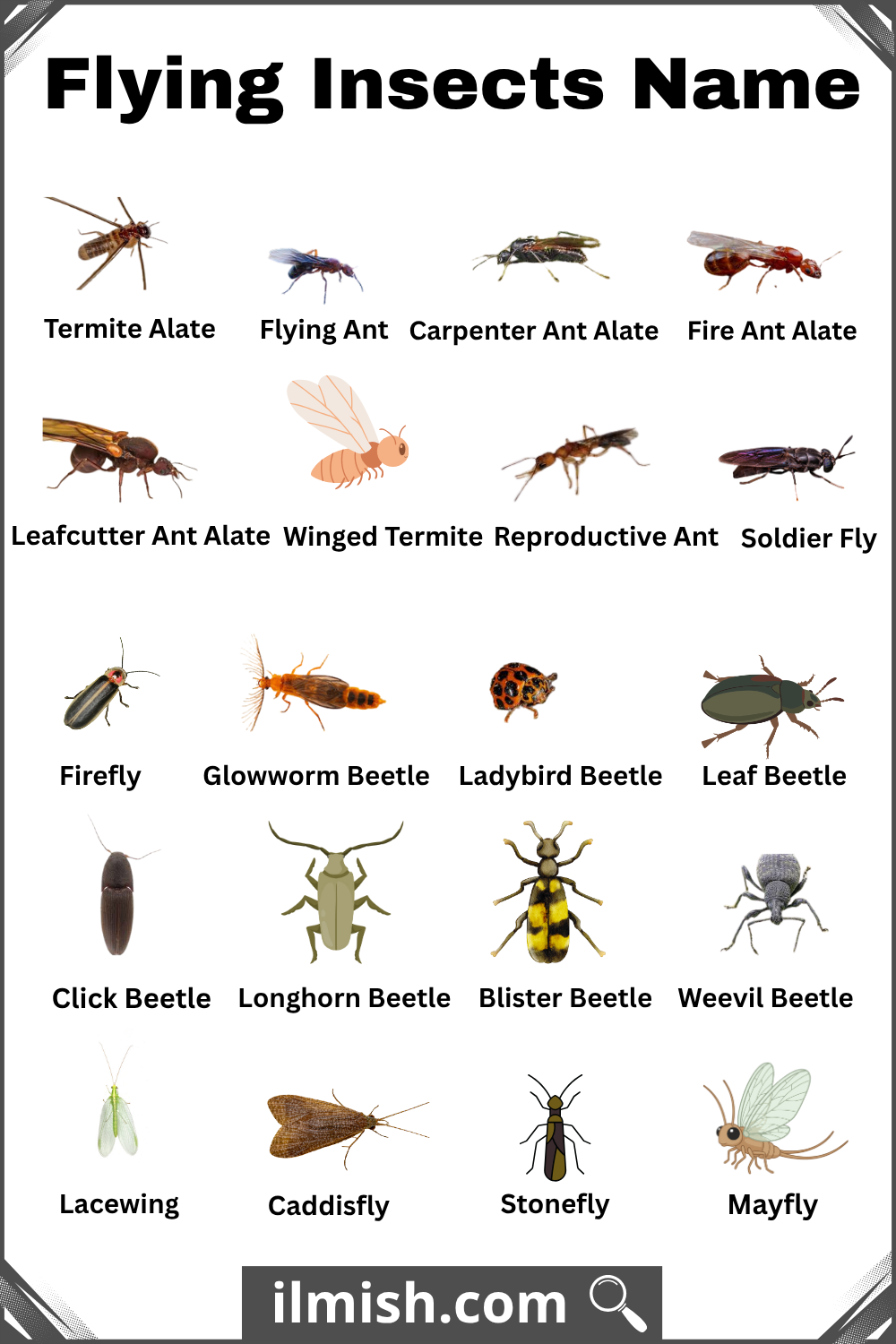
- Termite Alate
- Flying Ant
- Carpenter Ant Alate
- Fire Ant Alate
- Leafcutter Ant Alate
- Winged Termite
- Reproductive Ant
- Soldier Fly
- Firefly
- Glowworm Beetle
- Ladybird Beetle
- Leaf Beetle
- Click Beetle
- Longhorn Beetle
- Blister Beetle
- Weevil Beetle
- Lacewing
- Caddisfly
- Stonefly
- Mayfly
Different Types of Flying Insects Names with Images
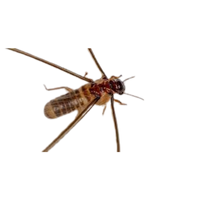
- Termite Alate
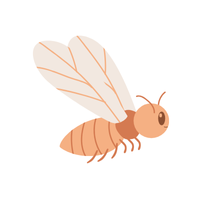
A winged termite that leaves the colony during warm seasons to start a new nest and grow into a reproductive king or queen.
- Flying Ant
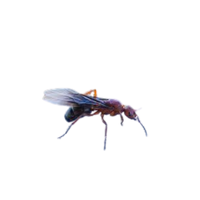
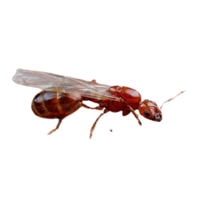
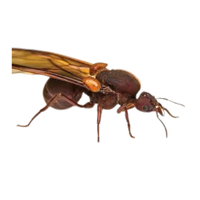
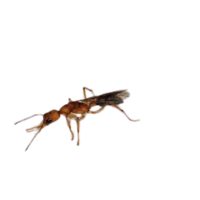
A winged ant that appears during mating season, leaving its colony to form new nests and expand the ant population.
- Carpenter Ant Alate
A winged carpenter ant that flies out to mate and later starts a colony inside wood or moist wooden structures.
- Fire Ant Alate
A winged fire ant that flies during warm weather to mate, later establishing aggressive colonies in soil or grassy areas.
- Leafcutter Ant Alate
A winged form of leafcutter ants that leaves its nest to mate and build new fungus-growing colonies underground.
- Winged Termite
A termite with long wings that swarms in large groups, searching for places to start fresh colonies.
- Reproductive Ant
An ant responsible for expanding the species, flying out to mate and later becoming a queen in a new nest.
- Soldier Fly
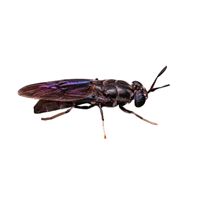
A slender fly with wasp-like colors, feeding on nectar as an adult while its larvae break down decaying waste. - Firefly
A small beetle that produces glowing light at night, using its flashing signals to attract mates and communicate.
- Glowworm Beetle
A beetle whose larvae glow softly in dark places, using light to attract prey or warn predators.
- Ladybird Beetle
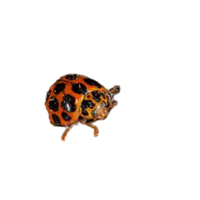
A bright, spotted beetle that eats plant pests like aphids, helping gardens stay healthy without chemicals.
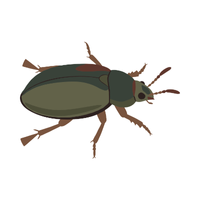
- Leaf Beetle
A colorful beetle that feeds on plant leaves, sometimes becoming a pest when populations grow large.
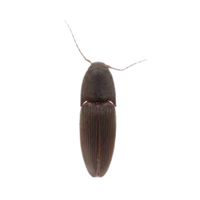
- Click Beetle
A beetle that makes a clicking sound and flips into the air when it feels threatened or needs to escape danger.
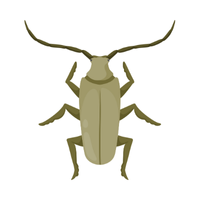
- Longhorn Beetle
A beetle with very long antennae, whose larvae bore into wood while adults visit flowers for nectar.
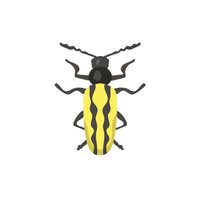
- Blister Beetle
A beetle that releases a skin-irritating chemical for protection, feeding on flowers and soft plant parts.
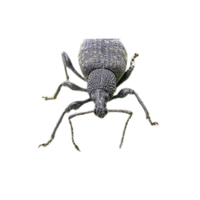
- Weevil Beetle
A small beetle with a long snout, known for feeding on grains, seeds, and stored food items.
- Lacewing
A delicate insect with lace-like wings whose larvae are strong predators of aphids and tiny garden pests.
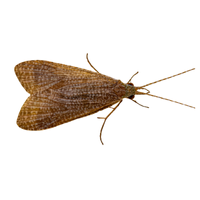
- Caddisfly
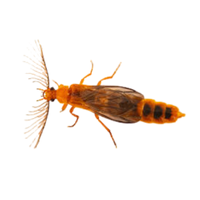
A small insect living near water, whose larvae build protective cases from sand or leaves before becoming winged adults.
- Stonefly
A water-loving insect whose larvae live in clean streams, later emerging as adults with long wings and slow flight.
- Mayfly
A fragile insect with a very short adult life, emerging from water and flying only to mate and lay eggs.





Different Types of Flying Insects Names with Images
Learn more helpful articles